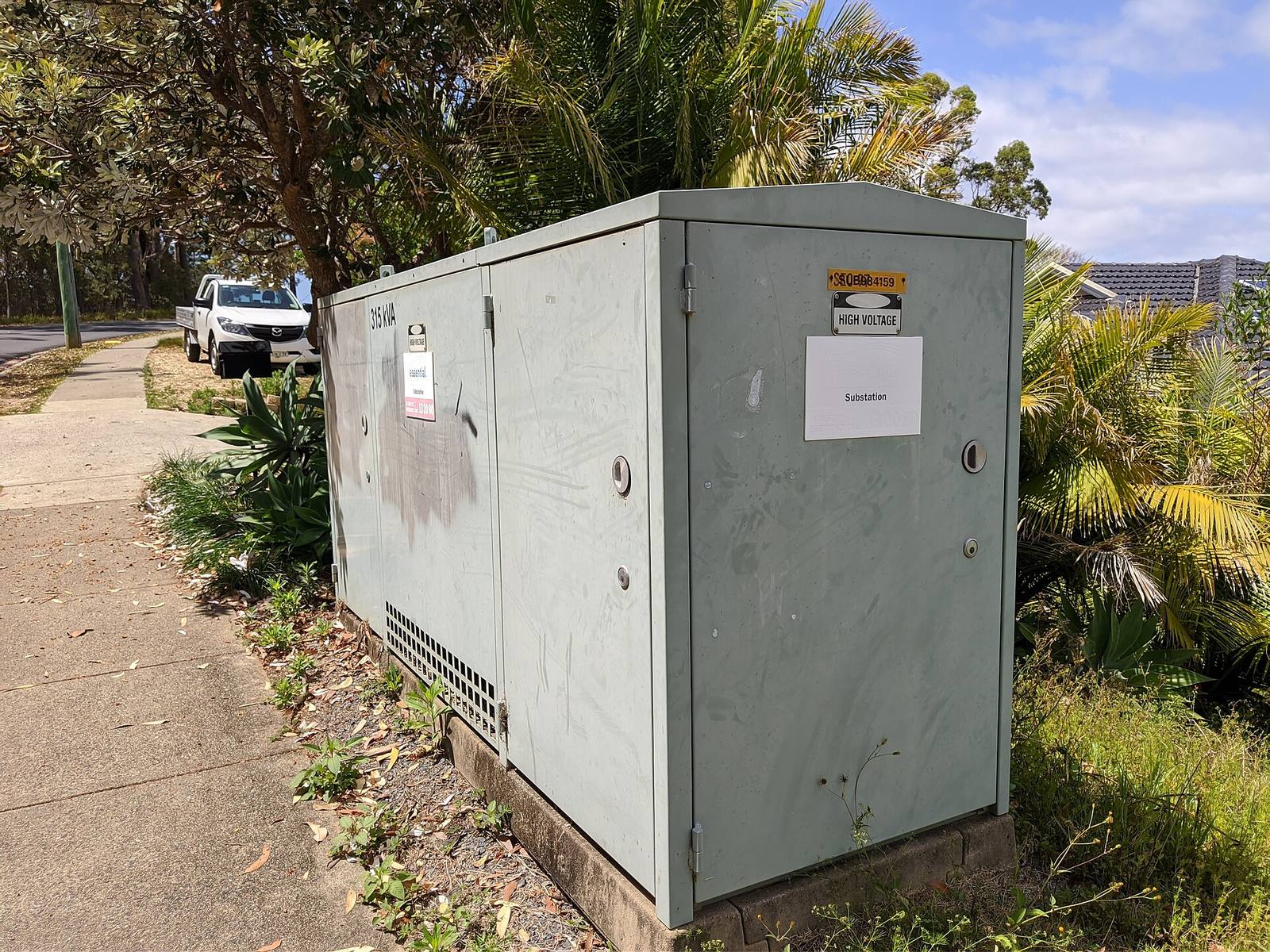
Year-end disposal should start with an equipment decision, not a scrap ticket. A transformer left after a line shutdown, capacity upgrade, or canceled installation may warrant evaluation for resale before you authorize dismantling. The practical question is whether its specifications, condition, and removal requirements support an equipment purchase. For a plant manager clearing surplus assets, that means gathering enough information to compare an offer against the actual cost and risk of keeping or removing the unit.
Separate Genuine Surplus From Equipment You Still Need
A year-end asset list can mix three very different categories: operating equipment, standby spares, and units with no remaining assignment. Selling a spare simply because it has not run recently can create an avoidable replacement problem. Confirm the equipment's role with maintenance and engineering before requesting an offer. A retired transformer serving a discontinued process presents a different decision from a matching spare held for a critical production feeder.
Accounting status alone does not establish equipment value. A fully depreciated unit may still have useful service potential, while a newer transformer with unsuitable voltage ratings or documented damage may have fewer purchase options. Keep book value, operational necessity, and buyer evaluation separate. If your department has a disposal deadline, identify whether it applies to approval, payment, transfer of ownership, or physical removal; those milestones do not necessarily occur together.
- Confirm ownership and disposal authority.
- Check remaining operational assignments.
- Review critical-spare requirements.
- Define the required closing milestone.
Build a Technical File Before Requesting an Offer
Start with a readable nameplate photograph and pictures of the complete transformer, terminals, accessories, and any visible damage. Record kVA, primary and secondary voltages, phase, frequency, and whether the unit is liquid-filled or dry-type. For example, two transformers with the same kVA rating may serve entirely different applications because their voltage combinations differ. Include manufacturer and serial information when available so the equipment can be identified consistently throughout the transaction.
Condition information should distinguish known facts from assumptions. State whether the transformer was operating when disconnected, why it became surplus, how it has been stored, and whether test reports exist. For liquid-filled equipment, provide available fluid identification and PCB documentation rather than guessing from age or appearance. Inspection findings can change the assessment. Missing paperwork does not automatically prevent evaluation, but it can leave questions that must be resolved before an offer is finalized.
- Photograph the complete nameplate.
- List ratings and included accessories.
- Supply available test and fluid records.
- Disclose leaks, damage, or missing parts.
Compare the Offer With the Full Disposal Burden
The highest stated equipment offer is not necessarily the best disposal outcome if its removal assumptions are unclear. A transformer sitting loose at a loading area creates a different handling problem from one inside an electrical room with restricted access. Establish estimated weight, dimensions, lifting provisions, and the route out of the building. Also identify whether the unit remains connected; electrical isolation and disconnection require qualified personnel and should not be treated as incidental hauling work.
Compare proposals on the same scope. Clarify who arranges rigging, loading, transportation, and any agreed site preparation, rather than assuming those services are included. Preserving the transformer intact may support equipment evaluation, but that advantage must be weighed against safe access and removal costs. Do not remove bushings, cut leads, drain fluid, or dismantle components solely to speed disposal without first discussing how those actions could affect the purchase assessment.
- Document access and loading constraints.
- Identify qualified disconnection personnel.
- Assign rigging and freight responsibilities.
- Avoid dismantling before buyer review.
Close the Sale With Clear Records and Realistic Timing
A calendar deadline is useful for internal planning, but it cannot substitute for inspection or an agreed transaction scope. Give the buyer your target date and explain what must happen by then. If access depends on a scheduled outage, disclose that constraint early. Keep asset numbers tied to serial numbers, especially when selling several similar units, so the approved disposal record matches the equipment inspected, purchased, and released from the site.
Texas Electrical Transformer Buyers buys surplus and used electrical transformers for cash; offers are unit-specific and based on inspection. Before committing, confirm the equipment covered, agreed payment terms, removal responsibilities, and transfer documentation. The seller's practical takeaway is straightforward: verify that the unit is surplus, preserve its identifying information, disclose its condition, and define the removal scope. Those steps support an informed sale without allowing a year-end deadline to drive unnecessary equipment damage or unclear obligations.
- Match asset and serial numbers.
- Communicate outage and access dates.
- Confirm payment and release terms.
- Retain signed transaction records.
Common questions
Can I sell a surplus transformer without recent test reports?
You can submit it for evaluation without recent reports. Provide the nameplate, photographs, operating history, storage conditions, and any known defects. Existing test results can help establish condition, but their absence should be disclosed rather than replaced with an unsupported claim that the unit works. Additional inspection or testing may be needed, and any offer remains unit-specific and based on inspection.
Does agreeing to sell before December 31 mean the asset is disposed of for accounting purposes?
Not necessarily. An agreement, payment, ownership transfer, and physical pickup can occur on different dates. Your accounting team should determine which documentation and recognition requirements apply to your organization. Ask for transaction terms that clearly identify the equipment and relevant milestones, but do not assume that a quote or scheduled pickup alone satisfies your year-end accounting or tax requirements.
Reviewed by the Texas Electrical Transformer Buyers buying desk · Last updated November 13, 2026