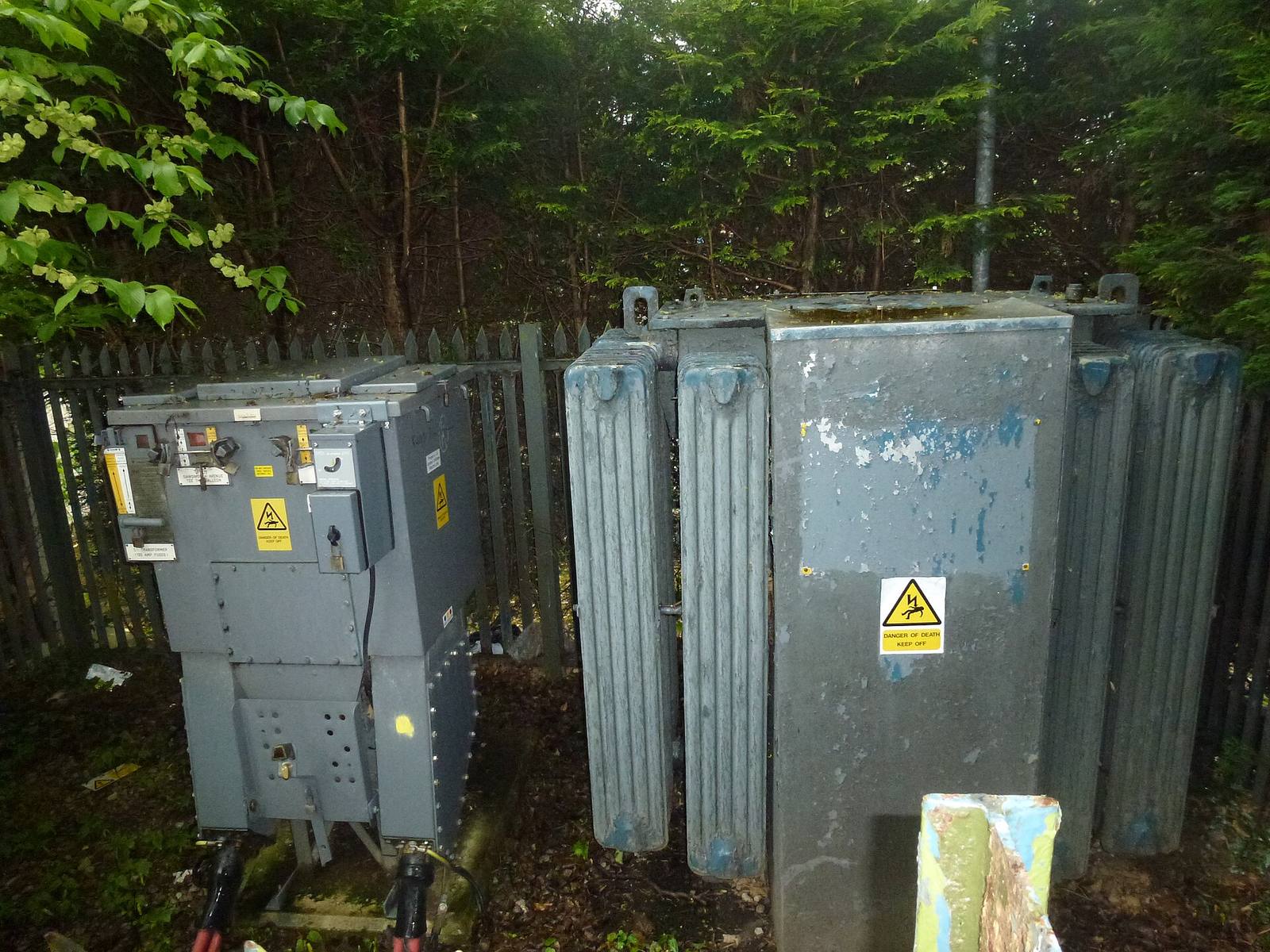
A custom-engineered power transformer needs a technical buying review, not a generic scrap estimate. Texas Electrical Transformer Buyers purchases surplus and used equipment from the owners and teams responsible for its disposition. If you need a used power transformer buyer, begin with the nameplate and the reason the unit became available. We assess whether its electrical design, physical condition and removal requirements support reuse, recovery of components or recycling of the remaining materials.
Power transformers above roughly 10 MVA serve generator step-up, station service, transmission and industrial main applications. Their original specifications often reflect a particular system duty, which can limit interchangeability even when another unit has the same MVA rating. Voltage ratio, impedance, phase displacement, cooling class and tap range all matter. A transformer removed during a capacity upgrade presents a different evaluation from one retired after insulation deterioration, repeated overheating or a suspected internal fault.
What we buy: generator, transmission and industrial power units
We evaluate generator step-up transformers, main plant transformers, transmission units and station service equipment within the larger power-transformer category. Both operating takeouts and unused surplus can be considered, provided the ownership and condition are clearly described. Include whether the transformer is single-phase or three-phase and whether it belongs to a bank. One available phase from a three-unit bank requires a different assessment than a complete matched set with consistent ratings and supporting test records.
Manufacturer information helps us trace design characteristics and interpret documentation. Common nameplates include GE, Siemens, ABB and Westinghouse, although a familiar brand cannot compensate for unsuitable electrical specifications or damaged insulation. Provide every winding voltage, MVA rating, impedance value and cooling designation shown. For generator step-up service, identify the generator-side voltage and neutral arrangement. For industrial main duty, explain any tertiary winding or unusual connection that could affect the equipment's suitability for a different system.
- Generator step-up and transmission transformers
- Industrial main and station service units
- Single-phase banks and three-phase equipment
- Unused surplus and operating takeouts
| Typical capacity | Voltage class | Common applications |
|---|---|---|
| 10 to 500+ MVA | 34.5 kV to 345 kV | Generator step-up, transmission, station service |
Ranges are typical only. Send the nameplate for the actual ratings of your unit.
How we inspect and value engineered power transformers
We compare the equipment's electrical specifications with its documented condition before assigning a buying basis. Impedance influences fault current and load sharing, so a transformer with the correct voltage ratio is not automatically a suitable replacement elsewhere. Cooling ratings also need careful reading. ONAN denotes natural oil and natural air circulation; ONAF adds forced air, while OFAF uses forced oil and forced air. Missing fans or pumps can prevent the unit from achieving its higher nameplate ratings.
Inspection considers oil condition, winding insulation, bushings, seals, cooling equipment and tap changer maintenance. Factory test reports establish a useful baseline for comparison with later turns ratio, winding resistance and insulation tests. Age is relevant, but operating duty and maintenance evidence are often more informative than age alone. Offers are unit-specific and based on inspection. Documentation, design compatibility, physical completeness, transport weight and the work required to remove the transformer all contribute to the final assessment.
- MVA and voltage compatibility review
- Impedance and connection verification
- ONAN, ONAF and OFAF equipment checks
- Factory and field test comparisons
Condition questions that affect the buying decision
A history of overheating, abnormal gas generation or through-fault exposure deserves specific disclosure. Winding displacement, loose connections and insulation deterioration can remain hidden inside an apparently sound tank. Dissolved gas analysis helps identify patterns that warrant investigation, but individual gas readings should not be treated as a complete diagnosis. Provide trend data when available, along with loading history, protection events and any restrictions placed on operation before retirement. These details help define the appropriate inspection scope.
Tap changer type and condition can materially change the evaluation. An on-load tap changer has switching contacts and a drive system requiring maintenance, while a de-energized tap changer must only be operated under the manufacturer's specified safe conditions. Identify the arrangement rather than assuming every tap mechanism serves the same purpose. Also disclose oil leaks, damaged bushings, cooling-system faults and repairs. For stored equipment, document preservation measures and whether accessories, control cabinets and monitoring instruments remain with the unit.
- Gas trends and abnormal operating events
- Tap changer type and service records
- Cooling faults and prior repairs
- Storage preservation and accessory status
Prepare the transformer and records for a sale
Removal starts with verified isolation and a clear understanding of the transport configuration. Power transformers can require separate handling of radiators, conservators, bushings and other projections to meet hauling dimensions. Qualified personnel should plan disconnection, grounding and any oil transfer before physical work begins. Share photographs of overhead obstructions, access roads, loading areas and nearby equipment. The available route and lifting position may influence how much dismantling is needed and whether the proposed removal approach is practical.
A useful document package includes the nameplate, outline drawing, factory test report, operating manual and recent maintenance or diagnostic results. Add the total weight, shipping weight, oil quantity and any available oil classification records. For multi-unit lots, label photographs and files by serial number so ratings and test histories stay matched. Tell us whether the unit is energized, disconnected or already dismantled. Clear records reduce uncertainty, but they do not replace inspection or establish a guaranteed purchase amount.
- Serial-numbered photos and equipment lists
- Factory reports and maintenance files
- Shipping dimensions and transport weights
- Isolation status and removal access
Common questions
Will you consider a generator step-up transformer?
Yes. Send the MVA ratings, generator-side and high-side voltages, impedance, winding connection and cooling class. Include factory reports and any history of generator-related faults or abnormal loading. Generator step-up transformers are often application-specific, so matching the general size is not enough to establish their reuse potential or buying value.
Why do the different cooling ratings matter when selling?
A transformer may carry multiple MVA ratings tied to different cooling stages. Its higher rating can depend on functioning fans, pumps and controls. If those components are missing or defective, the full nameplate capability may not be available. We review the cooling designation and installed equipment together rather than treating the highest MVA figure as unconditional capacity.
Can you buy one transformer from a single-phase bank?
An individual unit can be evaluated, but identify its relationship to the original bank. Matching ratios, impedance, polarity and other characteristics matter when assembling or repairing a bank. Provide the available unit's serial number and records, plus information about the other phases if known. A complete bank and an isolated spare can have different buying prospects.
Is an older power transformer automatically worth only scrap?
Not automatically. Maintenance history, insulation condition, electrical specifications and completeness influence whether further reuse evaluation is justified. Conversely, a newer unit with serious winding damage may have limited recovery options. Age is one input, not a diagnosis. We establish the buying basis from the available evidence and inspection of the specific transformer.
Should I order electrical tests before requesting an offer?
First provide the records you already have, including the latest oil analysis and any acceptance or maintenance testing. Additional tests should answer identified condition questions and be performed by qualified personnel under safe conditions. We can review the initial information before deciding what further inspection is warranted; commissioning a broad test package in advance may be unnecessary.
Reviewed by the Texas Electrical Transformer Buyers buying desk · Last updated November 13, 2026