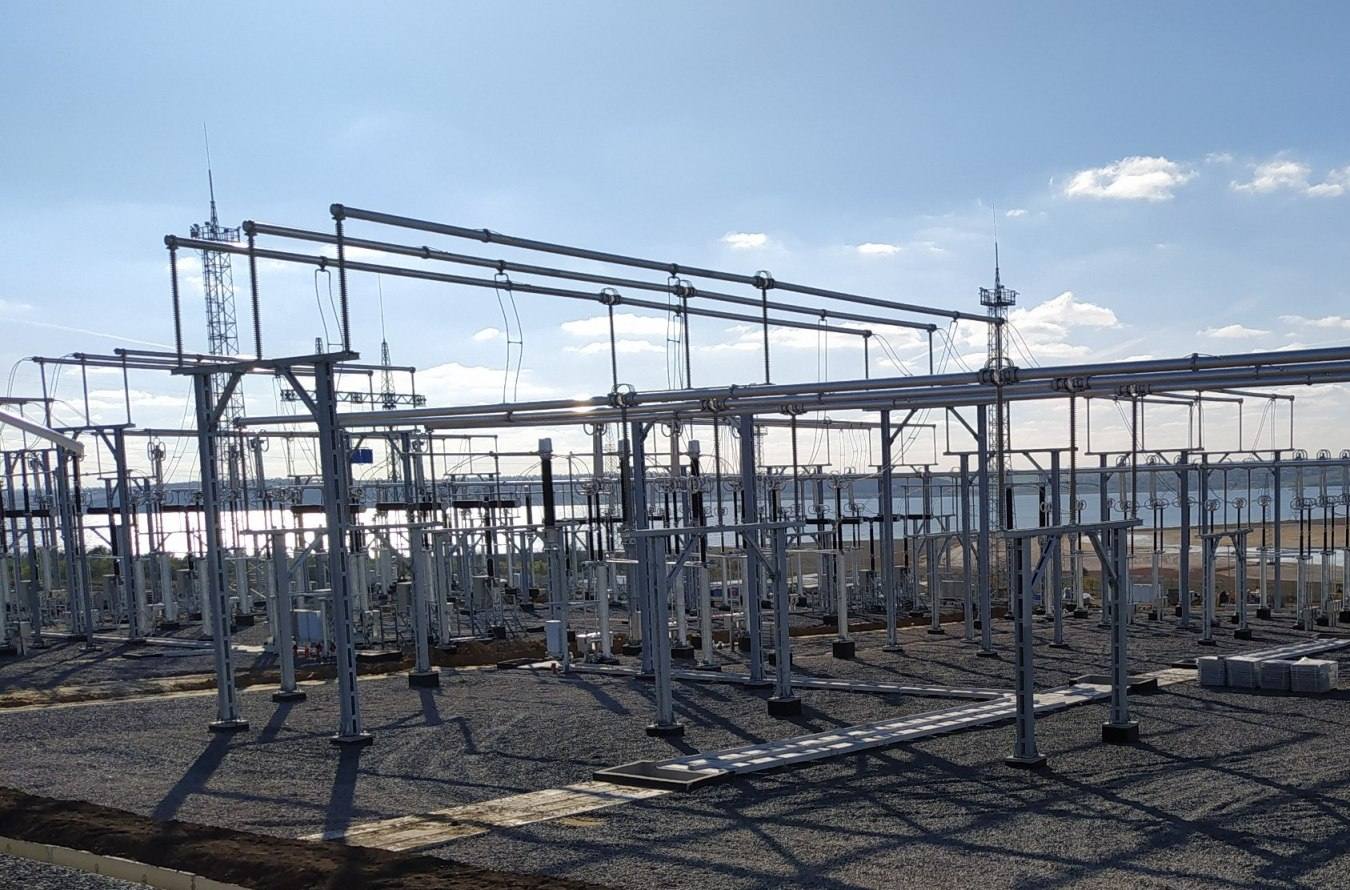
Autotransformers use a shared winding with tapped sections instead of separate primary and secondary windings. That construction can make them practical for connecting nearby voltage levels, regulating voltage and supporting certain motor-starting arrangements. When a utility installation, plant distribution system or large motor installation changes, the transformer may become surplus even though its operating condition remains sound. Texas Electrical Transformer Buyers reviews these units for purchase, using electrical ratings, service history and physical condition to establish the evaluation.
Working with an autotransformer buyer starts with identifying exactly what the equipment was designed to do. A motor-starting unit, a continuously rated distribution autotransformer and a buck-boost installation have different application constraints. Send the nameplate, terminal diagram and photographs before removing identifying components. We buy used and surplus equipment for cash, but each offer is unit-specific and based on inspection. Shared-winding construction, duty rating, accessories and access for removal all affect the assessment.
What we buy
We consider single-phase and three-phase autotransformers used for voltage conversion, regulation and motor starting, including dry-type and liquid-filled designs. Specify input and output voltages, kVA, frequency, phase arrangement and available taps. For three-phase equipment, include the connection diagram and neutral terminal information. The common winding creates an electrical connection between input and output circuits, so these units do not provide galvanic isolation. That distinction is essential when identifying surplus equipment and documenting its former application.
Buck-boost transformers require particular care in the description because a two-winding transformer can be connected as an autotransformer in service. Provide both the original winding ratings and the installed connection, rather than reporting only the load kVA. Nameplates from manufacturers such as GE, Siemens, Eaton and Acme may help identify design details. We review other brands and custom assemblies as well, provided the ratings, intended duty and included components can be established from reliable documentation.
- Continuous-duty voltage conversion units
- Tapped motor-starting autotransformers
- Documented buck-boost connected equipment
- Dry-type and liquid-filled construction
| Typical capacity | Voltage class | Common applications |
|---|---|---|
| 5 to 500 MVA | 2.4 kV to 345 kV | Voltage regulation and motor starting |
Ranges are typical only. Send the nameplate for the actual ratings of your unit.
How we inspect and value
Our evaluation compares the nameplate ratings with the winding arrangement, terminal condition and available operating records. Inspectable concerns include heat-darkened insulation, loose tap connections, damaged bushings, corrosion and evidence of internal faults. A defect in the common winding can affect both sides of the circuit. For liquid-filled units, leaks, fluid condition and tank integrity add another layer of assessment. Fluid type and any available PCB documentation should be identified rather than inferred from age or appearance.
Winding resistance and turns ratio testing can help assess continuity and tap relationships when performed using procedures appropriate to the design. Insulation resistance results require attention to the intentional electrical connection between input and output; a shared winding is not an insulation failure. We weigh capacity, voltage suitability, duty rating, completeness and condition against the cost and complexity of handling. A quoted scrap assumption or original purchase cost does not determine our offer, which remains subject to inspection.
- Common winding and tap condition
- Duty rating and voltage compatibility
- Bushings, terminals and tank integrity
- Test reports and fluid documentation
Motor starting, regulation and operating wear
Motor-starting autotransformers are designed around specified starting intervals rather than unrestricted continuous operation. Their thermal condition depends on start duration, starts per hour and the time allowed for cooling between starts. Supply the starter diagram and identify whether contactors, bypass equipment or controls are included. Burned connections, repeated unsuccessful starts and prolonged starting duty can damage a unit that otherwise looks complete. A starting tap percentage is useful information, but it is not a substitute for the actual nameplate rating.
For regulating or interconnected-voltage applications, document the tap arrangement and whether adjustment is de-energized or performed by an on-load mechanism. Where an on-load tap changer is fitted, maintenance records and operation history help explain wear at contacts and switching components. Unequal phase readings, overheating and abnormal sound warrant investigation. System fault exposure also matters because electrical and mechanical stresses can displace winding conductors or damage connections. Describe known events without assuming a protective trip necessarily means the transformer itself failed.
- Starting interval and cooling requirements
- Tap positions and adjustment method
- Included contactors and control equipment
- Fault exposure and maintenance history
Preparing an autotransformer for removal
Before disconnection, have qualified personnel identify every possible source of energization, including connected circuits that could backfeed the shared winding. Apply the appropriate isolation procedures and verify absence of voltage at the relevant terminals. Preserve terminal labels, links and tap-position information in photographs. Do not separate a starter assembly or remove regulating components before documenting what is included in the sale. Keeping associated parts identifiable helps us distinguish a complete functional assembly from an isolated transformer component.
Outline the equipment location, approximate dimensions, weight and available loading path. Larger units may require specialized lifting or transport arrangements, while cabinet-mounted equipment may need additional dismantling before it can be handled. Keep bushings and exposed terminals protected during staging. For liquid-filled equipment, disclose leaks and clarify whether fluid remains in the tank; do not drain it merely to simplify the description. Drawings, test results and a defined removal scope allow handling requirements to be considered alongside electrical value.
- Account for potential backfeed paths
- Record terminal links and tap settings
- Identify the complete sale assembly
- Clarify weight, access and fluid status
Common questions
How do I know whether my transformer is an autotransformer?
Look for a nameplate or connection diagram showing a common winding with tapped terminals. An autotransformer has an intentional conductive connection between its input and output circuits. Matching voltages alone do not establish the type. If the diagram is missing, send clear photographs of the nameplate and terminal markings; do not rely on an improvised energized test.
Can a motor-starting autotransformer be sold without the starter?
We can assess the transformer separately, but tell us which contactors, controls, links and enclosure components are absent. Its intermittent starting duty must remain clear in the documentation. Missing starter equipment can affect completeness and potential reuse. Include starting tap percentages, motor application information if available, and the manufacturer's stated starting interval or duty limitations.
Which kVA rating should I provide for a buck-boost installation?
Send the transformer's original nameplate rating along with the connected input voltage, output voltage and circuit arrangement. In an autotransformer connection, the load kVA can differ substantially from the two-winding nameplate kVA because only part of the power is transformed magnetically. The connection diagram is necessary to interpret those figures correctly and avoid misidentifying the unit.
Does an autotransformer offer electrical isolation?
No. Its shared winding electrically connects the input and output, even when it changes the voltage. That affects grounding, protection and safe disconnection requirements, which must be assessed for the actual installation. For selling purposes, identify the unit accurately and preserve its connection records so it is not confused with a separate-winding isolation transformer.
Will missing tap-changer records prevent an evaluation?
Missing records do not automatically end the review, but they create uncertainty about condition and maintenance needs. Send the tap-changer identification, current position, photographs and any known operating problems. Distinguish an on-load mechanism from a de-energized tap selector. Inspection findings and the availability of associated controls influence how we assess the complete equipment.
Reviewed by the Texas Electrical Transformer Buyers buying desk · Last updated November 13, 2026