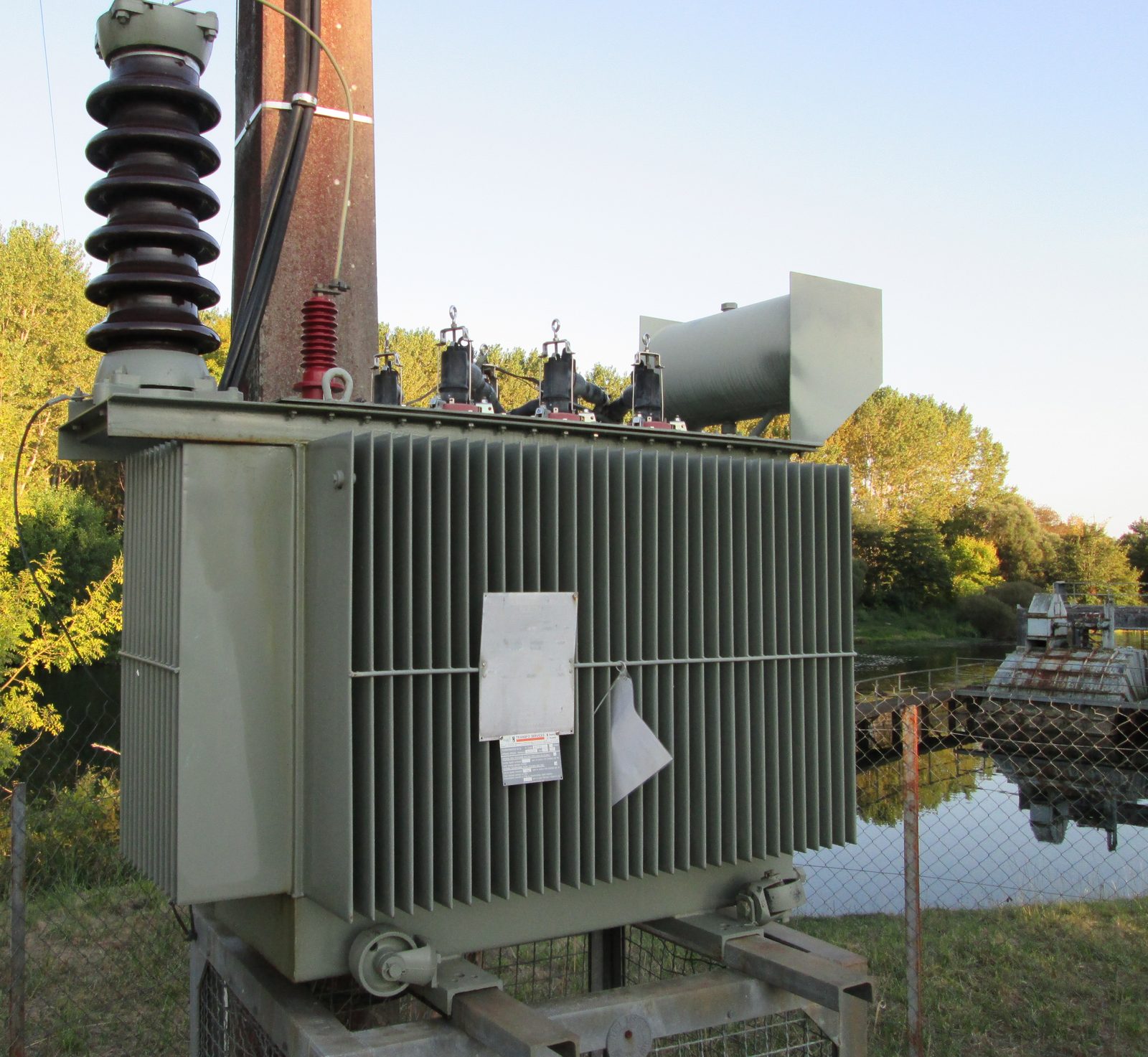
Oil condition can change both the resale prospects and the removal plan for an oil-filled transformer. A unit that looks sound from the outside may have moisture contamination, evidence of internal overheating, or unresolved PCB status. Before you authorize sampling or accept an offer, identify the equipment, gather its service records, and establish who is qualified to handle the oil. The goal is usable evidence, not simply a laboratory report with several numbers.
This transformer oil testing PCB guide explains what the main tests reveal and where their limits matter. Texas Electrical Transformer Buyers buys surplus and used transformers for cash, with unit-specific offers based on inspection. Test results help us assess electrical condition, handling requirements, and potential disposal obligations. They do not replace an equipment inspection, and they should not be treated as permission to drain, move, or dispose of material without qualified technical and environmental review.
Start With Identification and a Controlled Sampling Plan
Record the manufacturer, serial number, manufacture date, kVA or MVA rating, voltage ratings, oil quantity, and any labels describing the insulating fluid. Photograph the full nameplate and note whether the main tank and tap changer have separate oil compartments. Collect maintenance reports, previous analyses, oil replacement records, and documentation of retrofills. An old report may establish useful history, but its relevance depends on later servicing, fluid additions, and whether the sample actually came from the compartment being evaluated.
Have a qualified technician plan sampling with the laboratory before anyone opens a valve. The laboratory should specify containers, sample volume, preservation, labeling, and shipping requirements for each test. Dissolved gas analysis requires particular care to avoid air contamination or gas loss. Sampling energized equipment introduces electrical and pressure hazards; never assume a convenient valve is safe to use. Document the sample point, date, operating condition, and chain of custody so results can be tied reliably to the unit.
- Photograph every fluid identification label.
- Identify separate oil compartments.
- Confirm laboratory sampling instructions.
- Record recent oil additions or treatment.
Use DGA, Moisture, and Dielectric Tests Together
Dissolved gas analysis, or DGA, measures gases dissolved in the insulating fluid. Gas patterns and changes over time can indicate overheating, partial discharge, or arcing. A single elevated reading does not establish the location or severity of a fault by itself. Interpretation depends on transformer design, loading, fluid type, service history, and previous results. Ask a qualified transformer specialist to evaluate the pattern rather than assigning a condition grade from one gas concentration or a generic online threshold.
Moisture testing measures water in the sampled oil, commonly reported in parts per million. Temperature matters because water moves between oil and paper insulation as conditions change. Dielectric breakdown testing evaluates how the sample withstands electrical stress under a specified laboratory method. Water, particles, and sample handling can affect the result. Good breakdown performance does not prove that the paper is dry or the transformer is fault-free, so review these findings alongside DGA, operating records, and inspection observations.
- Compare DGA with earlier samples.
- Record temperature when sampling.
- Identify the dielectric test method.
- Investigate conflicting test results.
Evaluate Oil Aging and Paper Insulation Indicators
Interfacial tension measures behavior at the boundary between oil and water and can help identify accumulated polar degradation products in mineral insulating oil. Acidity, often expressed as a neutralization number, measures acidic constituents associated with oil deterioration. Falling interfacial tension and rising acidity can support concerns about oxidation and sludge formation. Neither result should be interpreted without the fluid type, test method, maintenance history, and other condition indicators. Ask the laboratory to flag method limitations when fluids differ from conventional mineral oil.
Furan analysis measures compounds associated with the degradation of cellulose insulation. Results can help assess paper aging, but they are not a direct measurement of remaining service life. Oil replacement, reclamation, insulation type, temperature history, and other factors can change concentrations or complicate interpretation. Oil treatment may improve fluid properties without restoring aged paper. For a seller, that distinction matters: a clean-looking oil sample after processing is not equivalent to evidence that the entire insulation system is in good condition.
- Request acidity and interfacial tension.
- Disclose oil reclamation history.
- Review furans with insulation records.
- Separate oil condition from paper condition.
Resolve PCB Status Before Handling or Removal
Pre-1979 oil-filled transformers may contain polychlorinated biphenyls, or PCBs. Age is a reason to investigate, not proof of contamination, and a newer date alone does not resolve every question about historical fluid handling. Labels, service records, and prior analytical reports are useful starting points. Where status is uncertain, arrange PCB analysis through a qualified laboratory using an appropriate validated method. Routine DGA, moisture, or dielectric testing does not establish PCB concentration; this requires its own analytical scope.
PCB results can affect storage, labeling, transportation, reuse, and disposal decisions. Have environmental counsel and qualified environmental contractors evaluate the applicable requirements for your specific equipment and location; this guide is not legal advice. Do not blend oil to change a reported concentration, drain uncertain fluid into a general waste tank, or assume drained equipment is free of regulated residue. If leakage is present, protect the area and involve qualified personnel rather than attempting cleanup with ordinary shop supplies.
- Verify which compartment was tested.
- Keep PCB reports with equipment records.
- Segregate unidentified insulating fluids.
- Use qualified environmental review.
Build a Buyer Review Package and Define Responsibilities
Send the buyer clear nameplate photographs, overall equipment views, current laboratory reports, and a summary of operating history. Include the sample dates, laboratory methods, fluid identity, known defects, leaks, and any missing accessories. Distinguish equipment that was operating normally at retirement from equipment removed after a fault. If reports conflict or are old, the buyer may request fresh sampling or additional inspection. Providing complete records early helps prevent a removal plan from being built around an unsupported assumption.
A buyer weighs test findings against rating, configuration, physical condition, completeness, and removal requirements. Favorable oil results may support reuse consideration, while contamination or evidence of internal damage can introduce treatment or disposal costs. Offers remain unit-specific and based on inspection, not a guaranteed value attached to one test. Before proceeding, document who commissions testing, who controls fluid handling, who retains environmental records, and who bears any identified disposal obligations. Obtain professional review where ownership or responsibility is unclear.
- Submit complete laboratory reports.
- Disclose faults and active leaks.
- Assign sampling and handling responsibilities.
- Document disposal obligations before pickup.
Common questions
Can I use an old PCB report when selling a transformer?
An older report can be useful if it clearly identifies the transformer and sampled compartment, and the fluid history has remained traceable. Oil additions, retrofills, or uncertain maintenance records may justify new testing. Send the complete report and subsequent service records to the buyer. A qualified environmental professional should determine whether that documentation is adequate for the planned handling and transfer.
Does passing a dielectric breakdown test mean the transformer is ready for reuse?
No. It shows how one oil sample performed under a particular test method, not the condition of every winding, bushing, connection, or insulation component. Moisture, DGA, oil aging indicators, electrical testing, and physical inspection may reveal issues that breakdown testing does not. Reuse suitability should be evaluated by qualified transformer personnel using the equipment's service history and intended application.
Will draining the oil eliminate PCB-related concerns?
Draining does not necessarily remove contamination from paper insulation, internal surfaces, or residual fluid. It also creates a separate material that needs appropriate identification, containment, transportation, and disposition. Do not drain solely to simplify a sale. Have qualified environmental personnel review the analytical results and handling plan, and agree in writing with the buyer on responsibility for the oil and the drained equipment.
Reviewed by the Texas Electrical Transformer Buyers buying desk · Last updated November 13, 2026