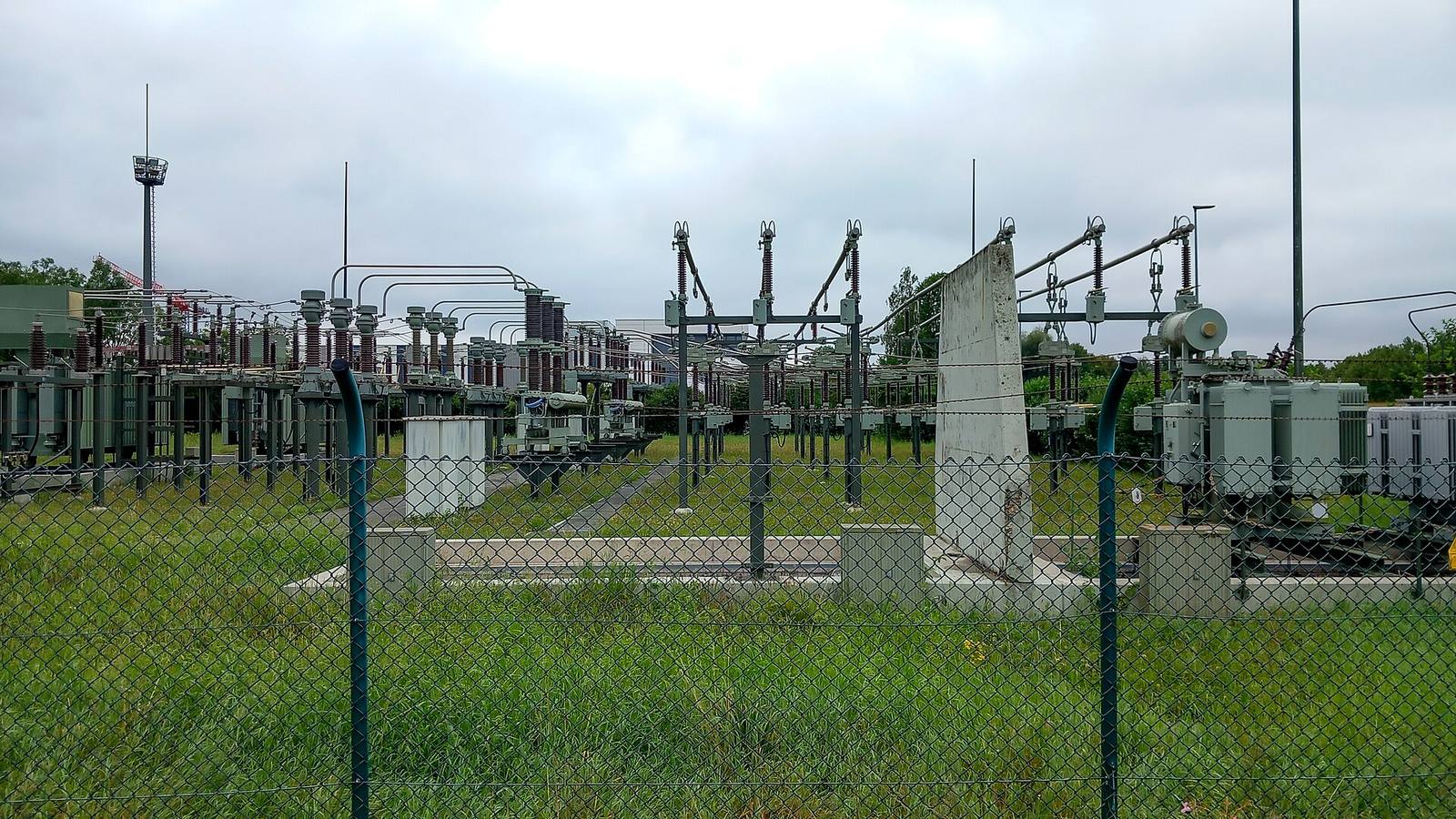
Data center transformer removal usually follows a tightly controlled change to the electrical distribution system. A refresh may leave usable equipment behind, but the unit cannot move until its role in the power chain has ended. Texas Electrical Transformer Buyers is a data center transformer buyer purchasing surplus and used units for cash. Facility managers and contractors can submit equipment details before removal, then coordinate inspection and pickup around approved access, commissioning and operational release requirements.
Define the Surplus Within the Power Distribution System
Hyperscale, colocation and enterprise facilities can have transformers serving different parts of the electrical architecture. Medium-voltage service may feed pad-mounted equipment, while dry-type transformers support downstream distribution inside electrical rooms. UPS systems and generators add operational dependencies that must be understood before a unit is declared surplus. Identify the transformer's actual function and location, including whether it serves a retired area, a replacement distribution path or equipment that remains available for redundancy.
Refresh cycles, capacity expansions and closures can produce individual transformers or groups of similar units. Keep each unit's identity separate, even when nameplate ratings appear identical. Manufacturing details, winding configuration, condition and maintenance history can differ across a batch. Tell us which units are available now and which depend on later project milestones. That distinction supports a realistic evaluation and avoids arranging removal for equipment still needed by the facility's operating plan.
- Dry-type distribution transformers
- Pad-mounted service equipment
- Surplus from electrical refreshes
- Separately identified multi-unit lots
Provide Technical Records Without Exposing Sensitive Information
Start with photographs of the complete nameplate, enclosure and accessible connection areas. Useful details include kVA, voltage ratings, phase, impedance, cooling method and available dimensional or weight information. For dry-type units, disclose visible contamination, damaged enclosures or insulation concerns. For liquid-filled equipment, report leaks and provide available fluid records. Recent test results and maintenance notes can clarify condition, especially when the transformer was removed during a planned refresh rather than after a fault.
Data center documentation may contain sensitive operational information unrelated to the sale. Share equipment-specific records and redact material that is not needed for evaluation, rather than sending unrestricted electrical drawings or security documents. Confirm whether the owner, operator or contractor has authority to sell each transformer. We assess offers individually and base them on inspection; an asset list or original purchase document alone does not establish current condition or a final purchase amount.
- Ratings and serial numbers
- Equipment-specific test history
- Relevant condition photographs
- Ownership and sale authorization
Release Equipment Through the Facility's Change Process
An unused transformer may still be connected to a distribution path or reserved for a contingency. Have the responsible facility team confirm that the unit can be removed without compromising the intended power arrangement. Qualified electrical personnel must manage isolation, lockout/tagout, verification and disconnection. Coordinate those tasks through the facility's applicable change procedures, not through assumptions based on a breaker position, an empty room or a contractor's provisional demolition schedule.
Removal routes deserve attention before the electrical work is finished. Indoor units may need to pass through equipment doors, corridors or loading areas with limited clearance. Outdoor units may sit near active switchgear or generator access routes. Supply measured dimensions and documented weights when available, and explain any restrictions on lifting equipment. If enclosure panels or other components must be removed for access, have the responsible contractor define that work and document what will accompany the sale.
- Approved operational release
- Verified electrical disconnection
- Measured removal clearances
- Defined component handoff
Coordinate Loading With Security and Refresh Milestones
Site entry may require advance personnel approval, escort arrangements and a designated loading window. Establish these requirements before discussing a pickup date. The same applies to restrictions on photography, vehicle parking or access near occupied data halls. Loading should occur in an approved area without obstructing critical service routes. Make clear whether the transformer will be collected from its installed location or moved to a separate staging area by your contractor.
For phased refreshes, equipment readiness can change as replacement systems complete testing and acceptance. Keep the available-unit list aligned with those milestones, and notify us when a release date moves. Inspection, purchase terms and transportation planning should reflect the actual equipment and site conditions, not a generic project completion date. A defined contact for facilities, a defined contact for removal and a confirmed handoff location help keep the sale separate from the critical electrical transition.
- Advance access requirements
- Approved loading windows
- Phased equipment availability
- Facilities and contractor coordination
Common questions
Can we submit transformers before a refresh is complete?
Yes. Send the available specifications, condition information and projected release milestones, identifying which units remain operational. Evaluation can begin before removal, but final arrangements depend on inspection and actual readiness. Do not commit a pickup window until the facility's responsible team has confirmed that the equipment is no longer required and can be safely disconnected.
Do you buy both dry-type and pad-mounted transformers?
We consider surplus and used transformers in both configurations. Provide clear identification for each unit rather than grouping them only by facility or project. Ratings, enclosure condition, service history and access requirements affect evaluation. For pad-mounted liquid-filled equipment, include available fluid information; for dry-type units, report insulation concerns, contamination and any missing enclosure components.
Do we need to send our complete one-line diagram?
A complete facility drawing is not usually the starting point for an equipment inquiry. Nameplate images, condition photographs and equipment-specific records provide more focused information. If installation context is needed, discuss a limited or redacted excerpt with your facility team. Follow your organization's security requirements and avoid sharing sensitive operational details that are unrelated to the transformer being sold.
How should we handle several transformers released on different dates?
Create a unit-by-unit list with serial numbers, locations, condition notes and expected availability. Mark dates as provisional until the electrical transition is approved. That allows evaluation and pickup discussions to follow actual project phases. Separate releases may require separate arrangements; do not assume all units should be disconnected or staged together merely because they belong to one refresh project.
Reviewed by the Texas Electrical Transformer Buyers buying desk · Last updated November 13, 2026