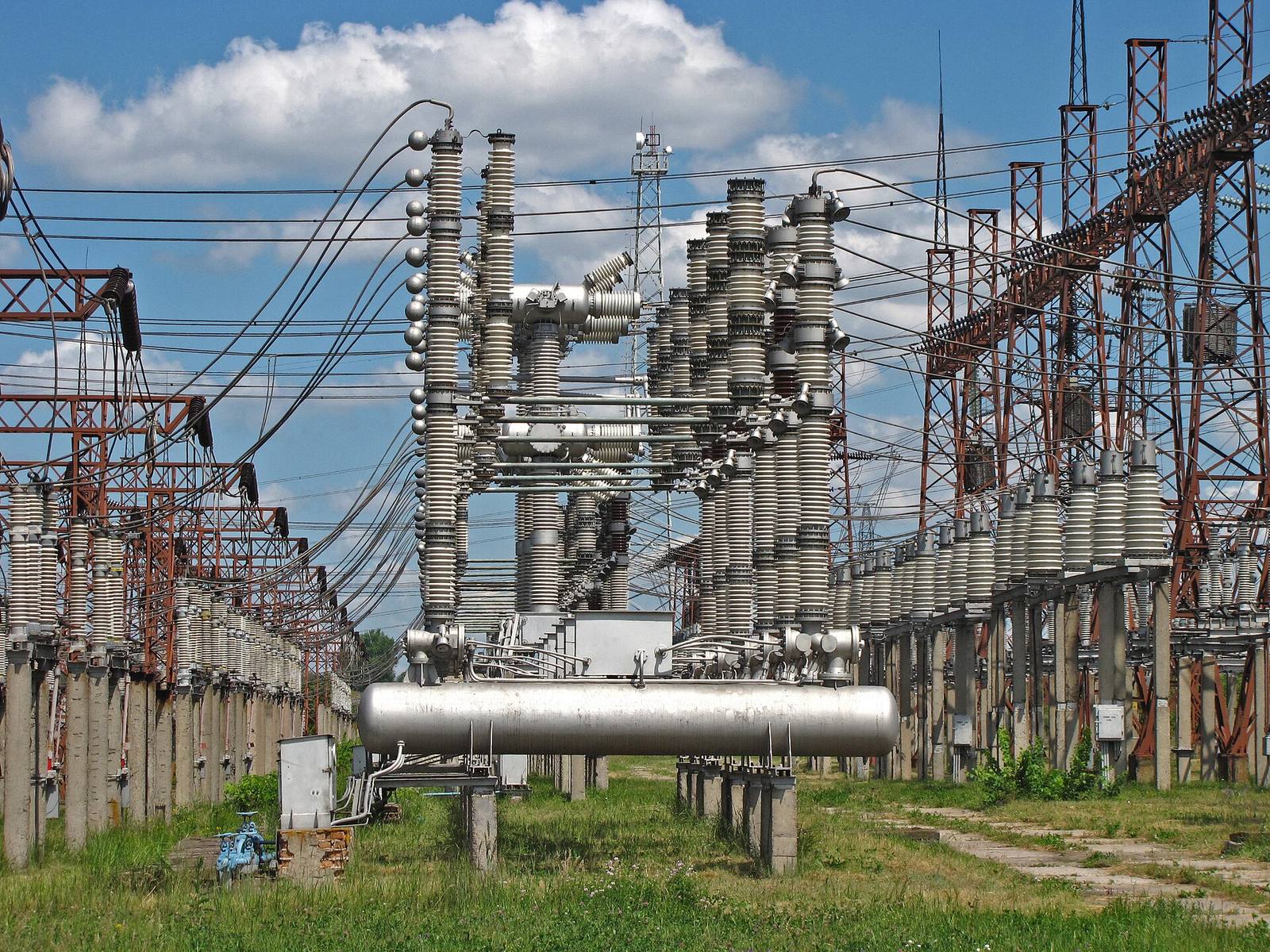
Owners preparing to sell Siemens transformers should document both the electrical specifications and the physical removal requirements. Texas Electrical Transformer Buyers purchases surplus and used equipment for cash, with each unit evaluated individually. Whether your transformer is awaiting an upgrade or already sitting in storage, provide its identification, operating history, and current location conditions before making assumptions about its value.
Siemens Transformer Types We Consider
Our purchasing review can include Siemens power transformers, distribution transformers, and dry-type units removed from industrial electrical systems. Larger installations may also contain Siemens switchgear or regulators, but identify those as separate equipment rather than treating everything as part of the transformer. An itemized equipment list helps clarify exactly what you own and which assets you want considered for purchase.
Siemens is a German industrial group, and Siemens Energy was spun off in 2020. For purchasing purposes, the name shown on the individual unit matters more than assumptions based on that corporate change. Send original plates and later identification labels together when available. We act as an independent equipment buyer, not an authorized Siemens representative or a manufacturer-affiliated service provider.
- Power units
- Distribution transformers
- Dry-type equipment
- Separate accessory listings
Identify Ratings, Connections, and Accessories
A readable nameplate should establish rated capacity, primary and secondary voltages, phase, frequency, and the manufacturer’s serial number. Include impedance and connection information if listed, particularly for equipment previously operated with other transformers. Photograph the full plate before taking detail shots. A partial image showing only the Siemens name will not provide enough information to evaluate the unit’s electrical characteristics.
Document cooling equipment, tap-changing components, terminal arrangements, and any separate control cabinets included with the transformer. For liquid-filled designs, record the stated fluid type and weight information. For dry-type equipment, photograph the enclosure and visible identification labels without disturbing protective barriers. Explain whether accessories remain installed, have been disconnected, or are stored elsewhere so completeness can be assessed during review.
- Capacity and voltage
- Connection information
- Tap-changing equipment
- Accessory condition
Provide Service and Shutdown Documentation
Recent test reports can help explain why a Siemens transformer was removed and what condition was recorded before shutdown. Share available insulation testing, fluid analysis, inspection reports, and maintenance work orders. Match documents to the serial number whenever possible. Records from adjacent equipment or a different transformer should be identified clearly rather than submitted as evidence for the unit being offered.
Include a straightforward account of any overheating, trips, leaks, repairs, or extended periods without operation. If the transformer is still connected, explain the planned outage and who will handle electrical isolation. For equipment already removed, note whether it was transported, stored outside, or separated from its controls. These details help identify inspection questions that a clean exterior photograph cannot resolve alone.
- Shutdown reason
- Maintenance work orders
- Test dates
- Known operating issues
How Condition and Removal Affect the Offer
The offer reflects the transformer’s specifications, physical condition, available documentation, and completeness at inspection. A unit with intact cooling assemblies and identifiable controls presents different considerations from one missing major components. Unusual voltage combinations or uncertain repair history may also influence evaluation. Offers are unit-specific and based on inspection, rather than a fixed amount associated with Siemens branding or rated capacity.
Provide the listed weight, approximate dimensions, and a description of the route from the installation to the loading point. Mention overhead obstructions, narrow access, and whether lifting equipment can reach the unit. Avoid assuming that existing lifting points are suitable without verification. Removal planning should identify disconnection, rigging, and loading responsibilities before those tasks are incorporated into the final purchase terms.
- Rated configuration
- Component completeness
- Rigging access
- Loading arrangements
Common questions
Does the Siemens Energy name change what information I should send?
Send the manufacturer name exactly as it appears on the equipment, along with photographs of all identification plates. Siemens Energy was spun off in 2020, but a corporate name does not establish an individual transformer’s specifications or condition. The serial number, ratings, accessories, and service records remain the practical basis for our purchasing review.
Should I include Siemens switchgear on the same equipment list?
You can identify accompanying switchgear or regulators when describing the removal project, but list them separately from the transformer. Include individual plates, photographs, and condition notes for each asset. This prevents confusion about what belongs to the transformer assembly and allows us to clarify which equipment is included in any proposed purchase.
Can you evaluate a Siemens transformer without a shutdown date?
We can examine its specifications and available condition information before a shutdown date is settled. Explain that the removal schedule remains open and identify any operating or access restrictions. A review does not establish removal readiness. Inspection requirements, safe disconnection, and the eventual schedule must be addressed before the transaction and removal scope are finalized.
Reviewed by the Texas Electrical Transformer Buyers buying desk · Last updated November 13, 2026