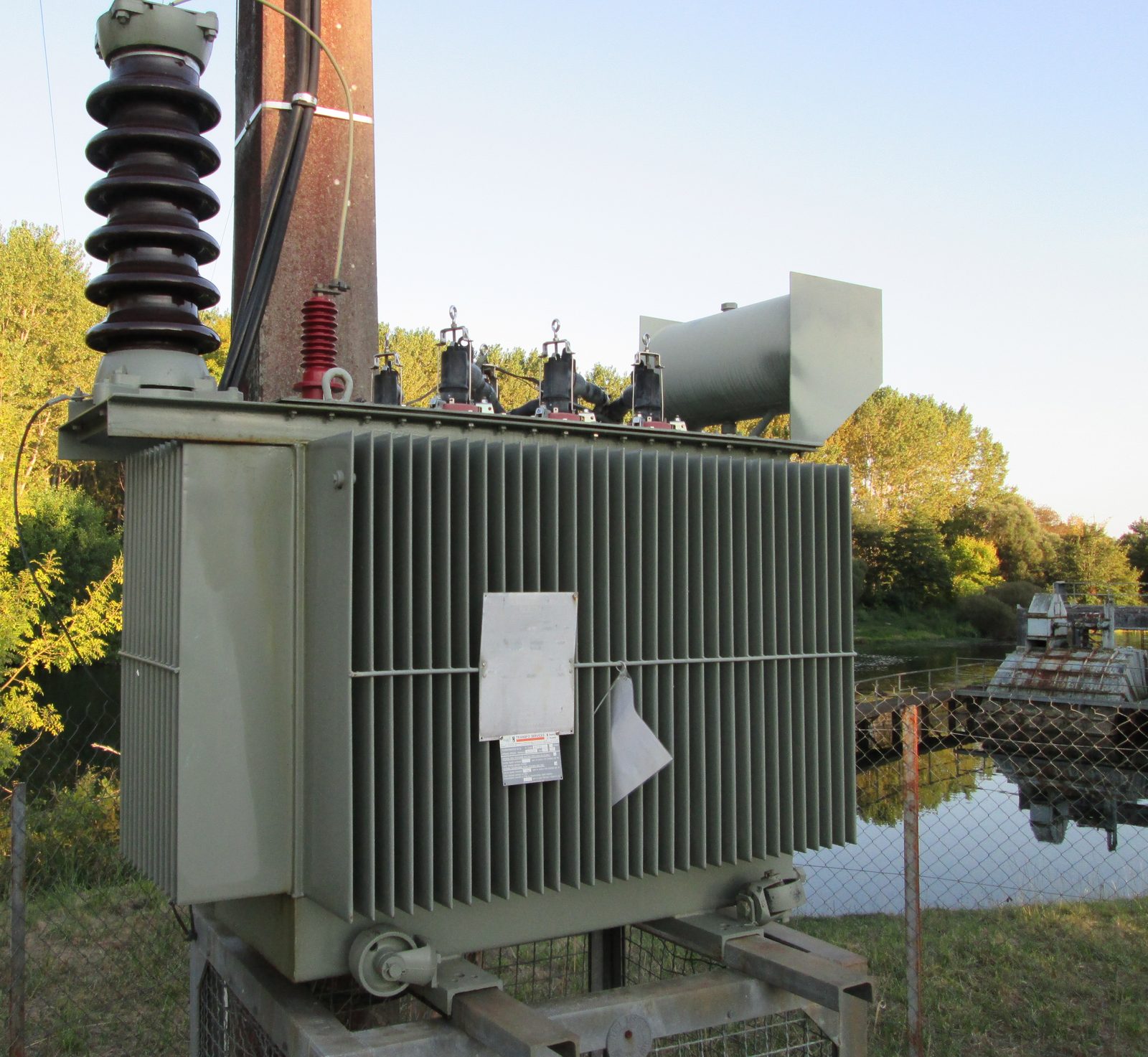
Transformer oil testing can strengthen a seller’s condition record, but no single oil result establishes that a transformer is ready for service. Dissolved gas analysis, moisture measurement, and dielectric breakdown testing answer different questions. Their value depends on sample quality, operating history, and the timing of maintenance. For an owner preparing a transformer for purchase review, the best approach is to present those results together and explain what happened between the last operating period and the sample date.
Use DGA to describe fault evidence, not declare a verdict
Dissolved gas analysis, usually called DGA, measures gases dissolved in insulating liquid. Different gas patterns can suggest thermal overheating, partial discharge, or arcing, while carbon oxides can contribute information about cellulose insulation. Interpretation considers concentrations, relationships between gases, and changes over time. An isolated report with elevated hydrogen is not, by itself, a complete diagnosis. Operating load, equipment design, maintenance history, and other tests help determine what the result reasonably supports.
For a seller, a series of comparable reports is often more informative than one recent sample. Rising gas levels during operation raise different questions than stable readings in a transformer that has been disconnected for months. Oil processing or replacement can also change the measured concentrations without repairing an underlying defect. Provide dates, available load information, and records of oil treatment so the buyer can distinguish an operating trend from a maintenance-driven change.
- Provide historical DGA reports
- Identify the last operating date
- Disclose oil processing
- Avoid single-gas diagnoses
Interpret moisture with temperature and insulation in mind
Moisture testing commonly reports water in oil in ppm, but that number needs temperature context. Oil’s ability to hold dissolved water changes with temperature, and moisture moves between the liquid and solid insulation. The same ppm result can therefore have different implications under different conditions. Record sample temperature when available, along with storage and operating conditions. A cold, idle transformer should not automatically be compared with a warm operating unit as though their samples were equivalent.
Water in the oil is also not a direct measurement of all moisture held in paper insulation. That distinction matters when a seller points to a low oil moisture result as proof that the entire insulation system is dry. Look for evidence of leaking seals, damaged breathers where fitted, or exposure during storage. A laboratory specialist can help interpret ppm and relative saturation, while the buyer weighs those findings against the transformer’s broader condition.
- Record sample temperature
- Describe storage conditions
- Check seals and breathers
- Separate oil from paper moisture
Understand what dielectric breakdown does and does not show
A dielectric breakdown test applies increasing voltage across a specified electrode arrangement in an oil sample until breakdown occurs. The result is generally reported in kilovolts. Water, particles, and sample contamination can affect performance, but results depend on the test method and laboratory procedure. Two values produced with different electrode configurations or methods should not be compared casually. Include the method designation and full report rather than reporting only that the oil passed.
Strong oil breakdown performance does not establish winding condition, bushing integrity, or the absence of internal faults. Conversely, a poor result may justify investigation of the fluid and sampling process rather than an immediate conclusion that the complete transformer is unusable. Keep the tradeoff clear: the test provides useful evidence about the sampled liquid, but it cannot replace electrical testing or physical inspection. A complete assessment asks whether independent findings agree or point to unresolved issues.
- Include the test method
- Report results in kilovolts
- Check sampling quality
- Keep equipment tests separate
Build a buyer-ready oil testing package
Before commissioning new tests, gather existing laboratory reports and ask which additional information would materially help the purchase review. Use qualified sampling personnel and laboratory instructions to avoid introducing air, moisture, or contamination. Identify each sample by transformer serial number, collection point, and date. For DGA in particular, proper containers and handling matter because gas loss can distort the result. Testing an unidentified bottle of oil adds paperwork without reliably documenting the equipment.
- Tie samples to serial numbers
- Keep maintenance dates visible
- Preserve complete laboratory reports
- Discuss testing before spending
Common questions
Should I order all three oil tests before contacting a buyer?
Not necessarily. Start with existing records, nameplate photographs, and an accurate condition description. Ask what additional testing would help evaluate your particular transformer before paying for a new laboratory package. The appropriate scope depends on the liquid, equipment history, available documentation, and intended evaluation. Missing results should be disclosed rather than replaced with assumptions about condition.
Will filtering the oil improve the transformer’s purchase prospects?
Oil treatment may change moisture, particles, dielectric breakdown results, or dissolved gas concentrations, depending on the process. It does not necessarily correct damaged solid insulation or an active internal fault. Consult the buyer before authorizing treatment solely to support a sale. Preserve pretreatment reports and document the process so later samples can be interpreted against the original condition.
Reviewed by the Texas Electrical Transformer Buyers buying desk · Last updated November 13, 2026