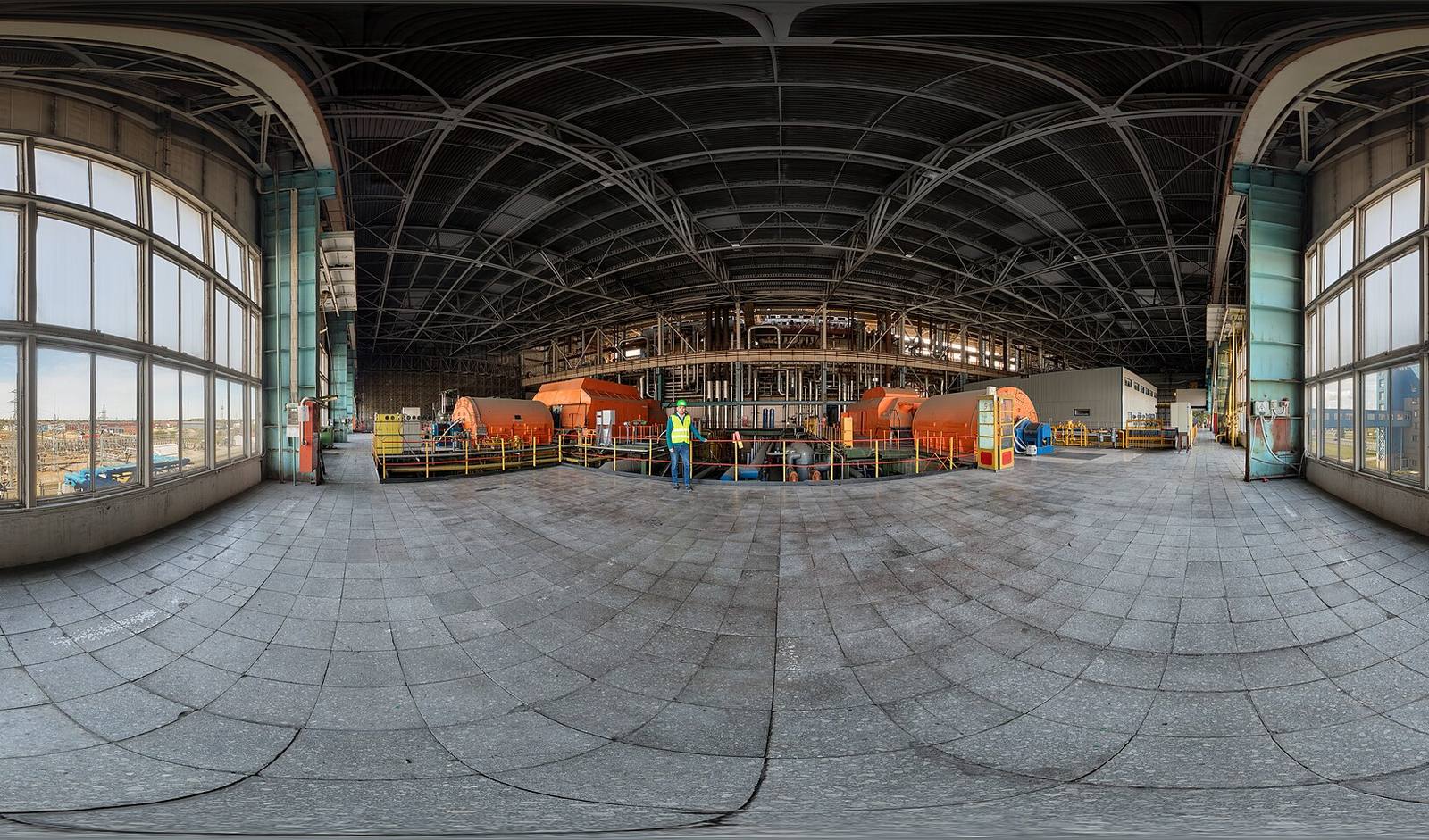
Plant retirement and repowering can leave valuable electrical assets with demanding removal requirements. Texas Electrical Transformer Buyers purchases used and surplus transformers for cash, including generator step-up, auxiliary and station service units. A power plant transformer buyer needs more than a capacity rating to evaluate this equipment. We review configuration, condition, records and release arrangements, and any offer is unit-specific and based on inspection rather than an assumed value for the entire plant.
Distinguish GSU, Auxiliary and Station Service Units
Gas, coal, biomass and peaking plants can contain transformers with very different duties. A generator step-up transformer handles the generator's connection to the higher-voltage system, while auxiliary and station service equipment supplies plant loads. Identify each unit's function and electrical configuration instead of submitting only a site-wide capacity list. Include whether a GSU consists of a three-phase unit or a bank of single-phase transformers, with separate serial numbers where the bank contains multiple assets.
Photographs should show the tank or enclosure, bushings, cooling equipment, control cabinets and the surrounding installation. Record any accessories that have already been removed or stored elsewhere. For large units, distinguish installed dimensions from the anticipated shipping configuration. Radiators, conservators or bushings may require separate handling depending on the equipment and transport plan. Establish the proposed purchase boundary so missing components and separately stored parts are identified before inspection, not discovered during loading.
- Generator step-up equipment
- Auxiliary supply transformers
- Station service electrical assets
- Single-phase bank identification
Evaluate Retirement and Repowering Surplus
A retired generating unit may leave transformers that were operating normally at shutdown, but retirement alone does not establish their current condition. Report the last operating date, reason for removal and any known faults or abnormal test findings. Repowering can also release equipment whose voltage, capacity or connections no longer fit the revised plant arrangement. Those circumstances provide useful context when we assess whether the available transformer merits further inspection and a purchase offer.
Keep assets needed for remaining plant services out of the sale scope until their replacement supply is established. Station service transformers may still support lighting, pumps or other essential loads after generation stops. For phased retirements, identify which units can leave immediately and which depend on later electrical changes. Coordinate the asset list with operations and the decommissioning contractor so a commercial decision does not conflict with the plant's continuing power requirements or removal sequence.
- Generating unit retirement assets
- Repowering configuration changes
- Continuing station service needs
- Phased decommissioning release dates
Provide Technical and Environmental Documentation
For a GSU or large auxiliary transformer, provide MVA ratings, voltages, impedance, cooling stages, tap details and winding connections. Manufacturer drawings and shipping data can clarify the configuration when the installed equipment is difficult to measure. Include dated electrical tests, oil analysis and maintenance history, identifying any event that occurred after those records were produced. Where information is unavailable, mark the gap clearly rather than assigning an unsupported condition description to the unit.
Liquid-filled equipment requires documentation of fluid type, available PCB information and known leaks or contamination. State whether fluid remains in the transformer and describe any prior draining or processing. The plant's environmental personnel should establish applicable transfer and handling requirements, while authorized electrical personnel control inspection access and isolation. Confirm ownership and disposal authority, especially where project contractors manage removal. A contractor's access to an asset does not by itself demonstrate permission to sell it.
- Electrical ratings and drawings
- Oil analysis and PCB records
- Fault and maintenance history
- Disposal authority and ownership
Plan Heavy Equipment Pickup Before Release
Large transformer collection starts with verified weight, dimensions and the route from its foundation to the transport loading point. Share lifting information, available drawings and details of any components that must be removed for shipment. Note overhead restrictions, turning clearances, ground capacity concerns and interference from demolition work. The transport plan must reflect the actual shipping configuration; an installed nameplate rating cannot establish crane requirements, trailer suitability or the accessibility of the loading area.
Assign responsibility for electrical disconnection, component removal, fluid handling, rigging and loading before pickup is committed. Facility procedures govern isolation and release, and the purchase itself does not automatically include decommissioning or heavy lifting services. Schedule collection against confirmed project milestones rather than the anticipated generation shutdown date alone. If demolition changes access or eliminates a usable loading route, revisit the plan with the responsible contractors before releasing equipment for movement from the site.
- Verified transport weight
- Component shipment configuration
- Lift and route assessment
- Demolition schedule coordination
Common questions
Do you evaluate generator step-up transformers from retired plants?
Yes. Provide the GSU's ratings, configuration, photographs, operating history and available tests. Include whether it is a complete three-phase unit or part of a single-phase bank. We assess the equipment and removal conditions individually; retirement status alone does not determine acceptance or establish a cash offer.
Can a transformer be reviewed while station service is still required?
An initial review can proceed from records and photographs, but clearly identify the continuing service requirement. Do not treat the transformer as released until the plant authorizes its removal and any replacement supply is established. Inspection access and eventual pickup must remain compatible with the facility's operating and electrical safety procedures.
What if shipping weight or original drawings are missing?
Disclose the missing information and provide the nameplate, manufacturer details, photographs and any available dimensional records. Additional verification may be needed before transport or lifting can be planned. Do not estimate a heavy transformer's shipping weight from its MVA rating, and do not assume installed dimensions represent its final transport configuration.
Does purchasing the transformer include plant decommissioning work?
No removal scope should be assumed from the purchase review. The parties must establish who performs isolation, dismantling of accessories, fluid management, lifting and loading. Your plant and contractors retain their assigned project responsibilities unless a different arrangement is expressly agreed. Collection planning starts with a defined asset and a confirmed release process.
Reviewed by the Texas Electrical Transformer Buyers buying desk · Last updated November 13, 2026