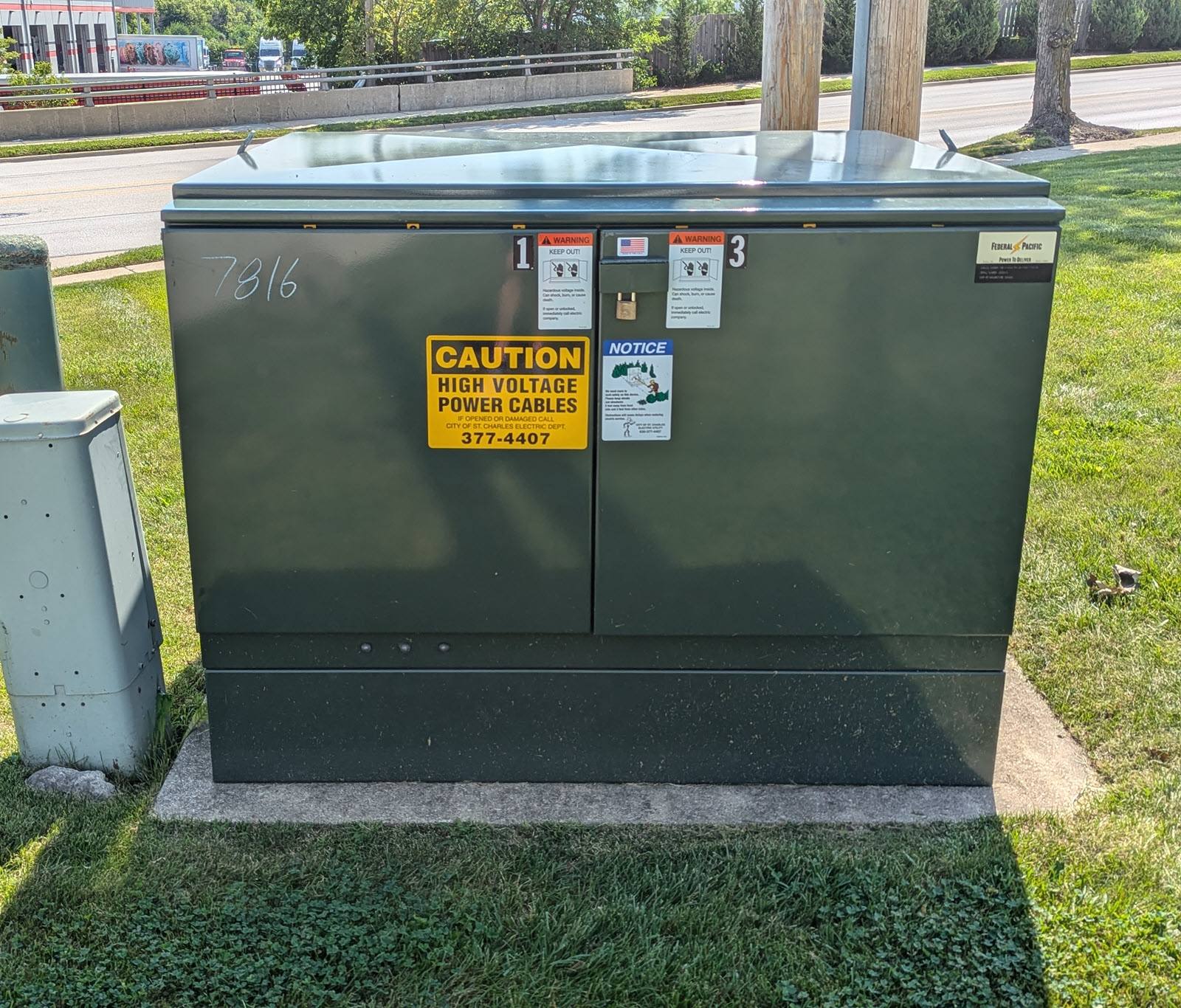
Campus electrical upgrades can leave useful transformers disconnected, stored or scheduled for removal while other buildings remain fully operational. Texas Electrical Transformer Buyers buys surplus and used transformers for cash from universities, community colleges and research campuses. If you need a university transformer buyer, start with the unit’s nameplate, condition and location. We evaluate equipment individually, with offers based on inspection, and discuss removal requirements with the facilities staff or contractor responsible for the work.
Identify Surplus Across the Campus Distribution System
Transformers may serve central plants, chiller equipment, laboratory buildings or older portions of the campus distribution system. A building renovation can make one unit surplus without changing the equipment serving adjacent facilities. Before offering a transformer, identify exactly which asset is being released and whether it remains connected. Include its kVA rating, primary and secondary voltages, phase, manufacturer and serial number so the equipment under review is clearly defined.
Replacement projects also create a distinction between equipment available now and equipment that must remain in service until a cutover. A spare held for emergency coverage may not be authorized for sale even if it has been idle for years. Facilities managers should confirm ownership, internal disposition approval and the release date before committing to removal. That prevents a surplus transaction from interfering with the campus’s operating reserves or planned electrical work.
- Central plant and chiller service
- Laboratory building distribution
- Retired building service equipment
- Released maintenance spares
Document Condition and Establish Disposition Authority
Clear photographs and existing records help distinguish a complete transformer from equipment that needs further investigation. Photograph the nameplate, enclosure, bushings or terminals, and any visible damage or leakage from a safe position. Share maintenance history, test reports and the reason for retirement when available. Do not open energized compartments to obtain information. If access requires electrical isolation, coordinate that work through the campus’s authorized personnel before gathering additional details.
Older oil-filled equipment requires particular attention to fluid identification and available PCB documentation. Provide labels, sampling results and records associated with the specific unit rather than relying on the age of the building. Missing documentation should be disclosed at the outset. Campus purchasing or property-management requirements may also govern the sale, while environmental obligations affect handling and disposition. A purchase discussion does not replace the institution’s responsibility to establish applicable requirements.
- Readable nameplate photographs
- Asset number and ownership approval
- Maintenance and electrical test records
- Fluid identification and PCB records
Fit Removal Around Campus Operations
A transformer near a central plant or occupied research building may have a straightforward location but a restricted removal route. Describe gates, loading areas, overhead clearance and the distance between the equipment and a truck-accessible staging point. Indoor units may require movement through service corridors or mechanical rooms. Estimated weight and dimensions help frame the lifting discussion, but actual handling requirements must be verified before equipment or transportation arrangements are finalized.
Schedule removal against the electrical project, not simply an available calendar date. The transformer must be released, safely isolated and ready for the agreed handling scope before pickup proceeds. Facilities staff should identify restrictions related to classes, laboratory activity, chiller operation and pedestrian traffic. The removal plan should also state who performs disconnection, fluid-related work if required, rigging and loading, so responsibilities remain clear when the campus contractor and transportation crew meet.
- Confirmed outage and release window
- Truck route and staging location
- Verified lifting access and clearances
- Assigned disconnection and loading duties
Submit Equipment for a Unit-Specific Purchase Review
An equipment list is useful when a campus is retiring several transformers under one distribution upgrade. List each unit separately, even when ratings appear identical. Service history, completeness, fluid status and access can differ substantially between buildings. Note whether cables, termination components or enclosures are included, and flag any missing parts. We review the actual equipment offered; a nameplate rating alone does not establish a purchase offer or confirm suitability for removal.
Send the available information while the project scope is still being defined, and identify any facts that remain unverified. An inspection may be needed to confirm condition and establish an offer. If the institution requires a purchase document, asset-release record or contractor coordination meeting, explain that process before scheduling. The goal is a defined equipment sale with a practical handoff, rather than an assumed pickup that leaves campus staff resolving access or paperwork afterward.
- Separate details for every unit
- Known defects and missing components
- Proposed equipment release date
- Institutional sale and handoff requirements
Common questions
Can we offer a transformer before the campus cutover is complete?
Yes. You can submit equipment details while the transformer remains in service, provided you identify its status and expected release date. Inspection and removal arrangements must account for safe access and the cutover sequence. Do not treat a preliminary purchase discussion as authorization to disconnect equipment or remove a spare that the campus still needs.
What if an older campus transformer has no PCB paperwork?
Disclose the missing records and provide photographs of the nameplate and fluid-related labels that can be obtained safely. Additional documentation or testing may be necessary to establish appropriate handling and whether the unit can be considered for purchase. Do not assume an older transformer contains PCBs, or that it is PCB-free, solely from its installation date.
Can pickup be coordinated around classes and laboratory work?
Describe the campus’s permitted work windows, traffic restrictions and any laboratory or central-plant operations affected by removal. Those constraints can be incorporated into a proposed pickup plan, subject to equipment readiness, access and agreed responsibilities. Confirm isolation, staging and loading arrangements before setting the final schedule; a preferred date alone does not establish a workable removal window.
Who should authorize the sale of university-owned equipment?
The institution should identify the department or representative authorized to approve asset disposition. Facilities staff may manage the transformer without having authority to sell it. Provide any required purchasing, surplus-property or asset-release procedures during the review. If a contractor is handling removal, clarify whether the contractor owns the equipment or is acting on the university’s behalf.
Reviewed by the Texas Electrical Transformer Buyers buying desk · Last updated November 13, 2026