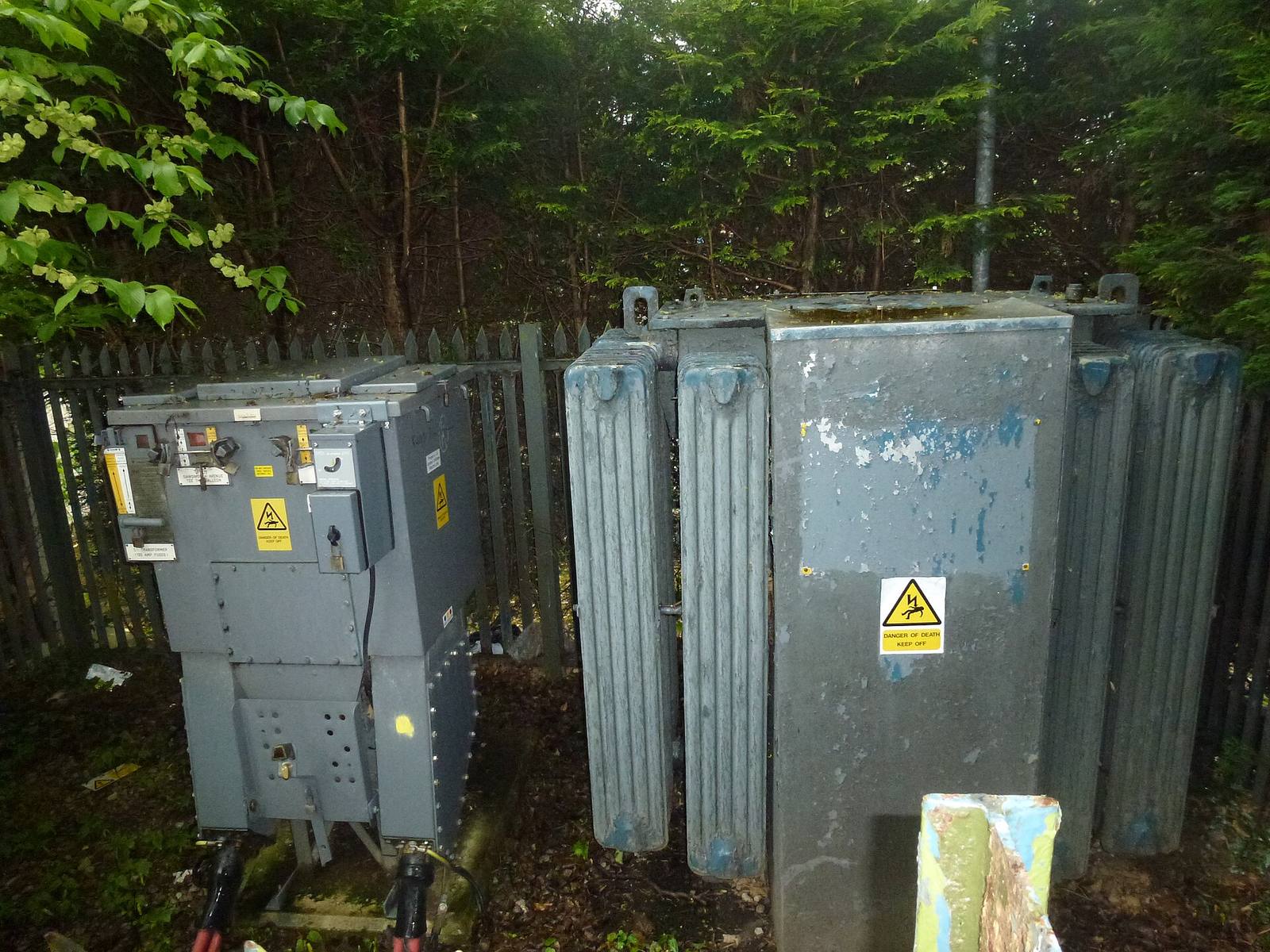
Taking a transformer out of service does not automatically make it ready to leave the property. Cables, mounting arrangements, access limitations, and fluid concerns can all affect the next step. Our decommissioned transformer removal service connects a potential cash purchase with a defined handling plan. It is intended for equipment owners at plants, substations, and commercial sites who want to sell retired units and coordinate their departure safely.
Establish What Has Been Decommissioned
Describe the equipment's current status before planning removal. A transformer may be disconnected and stored, isolated but still connected to cables, or simply designated for retirement while remaining part of an energized system. These situations require different preparation. Identify who controls the equipment and who can authorize its sale, along with the personnel responsible for electrical work and the site's release procedure for outside handling crews.
Our role is to evaluate the transformer for purchase and coordinate the agreed removal scope, not to assume that retirement paperwork proves safe isolation. Qualified electrical personnel must establish the required disconnected and safe condition before rigging starts. Tell us about remaining connections, grounding arrangements, nearby energized equipment, and restricted work areas. That information helps separate the seller's preparation responsibilities from the lifting, loading, and transport activities being arranged.
- Current electrical and physical status
- Authorized owner or asset representative
- Remaining cable and grounding connections
- Site-controlled isolation and release procedures
Document Condition Before the Buying Review
For the initial evaluation, provide nameplate photographs, overall views, ratings, and a description of why the unit was retired. A transformer removed for a facility change differs from one taken offline after an internal fault. Identify known damage, evidence of overheating, leaks, removed bushings, or missing components. Include available service records and fluid documentation where applicable so the buying review reflects the equipment's actual condition.
Site conditions also influence the proposed purchase. Photograph the path from the installed position to the loading area, including doorways, fences, overhead obstructions, and changes in elevation. Supply dimensions and weight information if available, without guessing at critical lifting data. Offers are unit-specific and based on inspection. Equipment condition, preparation work, and removal complexity must be understood before the transaction and handling responsibilities can be finalized.
- Reason for retirement and known faults
- Nameplate, condition, and access photographs
- Available weight and dimension information
- Fluid identification and supporting records
Plan Disconnection, Rigging, and Transport
Once buying interest and inspection requirements are established, the parties define the purchase and removal sequence. Confirm which accessories are included, how payment will be handled, and what preparation must be complete before collection. Disconnection coordination should identify the responsible electrical contractor or site team and the required completion point. No lift should be scheduled on the assumption that unresolved electrical work will somehow be finished on arrival.
The handling plan must account for equipment weight, suitable lifting points, access, and the condition of the loading area. Depending on the location, the move may require specialized rigging or changes to the route out of the site. Liquid-filled units also require attention to existing leaks and safe handling. We coordinate the agreed rigging and transport arrangements after the necessary site information and responsibilities have been confirmed.
- Written equipment and removal scope
- Assigned electrical preparation responsibilities
- Reviewed lift route and loading area
- Coordinated transport after site release
Set a Removal Window the Site Can Support
Removal timing depends on more than the seller's preferred collection date. Electrical preparation, inspection access, site approvals, lifting resources, and transportation must align. Provide any demolition milestones, tenant access restrictions, shutdown periods, or deadlines for clearing the equipment area. We use those constraints to discuss a feasible pickup window rather than promising a date before the transformer and the removal route have been reviewed in sufficient detail.
Share the site location at the start so service coverage and travel requirements can be evaluated. Plants, substations, and commercial properties may have different entry rules and work-hour limits, even for a similar transformer. Advise us of escort requirements, contractor orientation, and documentation needed for access. If conditions change between inspection and pickup, the removal plan may need revision before the equipment can be safely loaded and transported.
- Location-specific coverage review
- Electrical preparation and inspection milestones
- Site entry and work-hour restrictions
- Confirmed pickup window after planning
Common questions
Can you buy a transformer that is still connected?
A connected unit can be reviewed for a potential purchase, but it cannot be treated as ready for removal. Describe its operating status and remaining connections. The removal plan must identify qualified personnel responsible for isolation and disconnection, with safe release confirmed before handling. Purchase discussions and physical removal are separate stages of the process.
What if the retired transformer is leaking?
Disclose the leak before inspection or pickup planning and provide photographs taken from a safe location. Include known fluid information and any existing containment measures. A leak can affect buying interest, handling requirements, and the work needed before movement. Do not assume that a transformer purchase includes environmental cleanup or unrestricted transport of leaking equipment.
Does the purchase include removing nearby cables and switchgear?
Only equipment and work expressly included in the agreed scope are covered. Identify adjacent switchgear, cables, bus connections, and other components separately when submitting the transformer. The purchase review can establish what is being considered, while the removal plan assigns preparation responsibilities. Items outside that scope remain the seller's responsibility unless another arrangement is documented.
Reviewed by the Texas Electrical Transformer Buyers buying desk · Last updated November 13, 2026