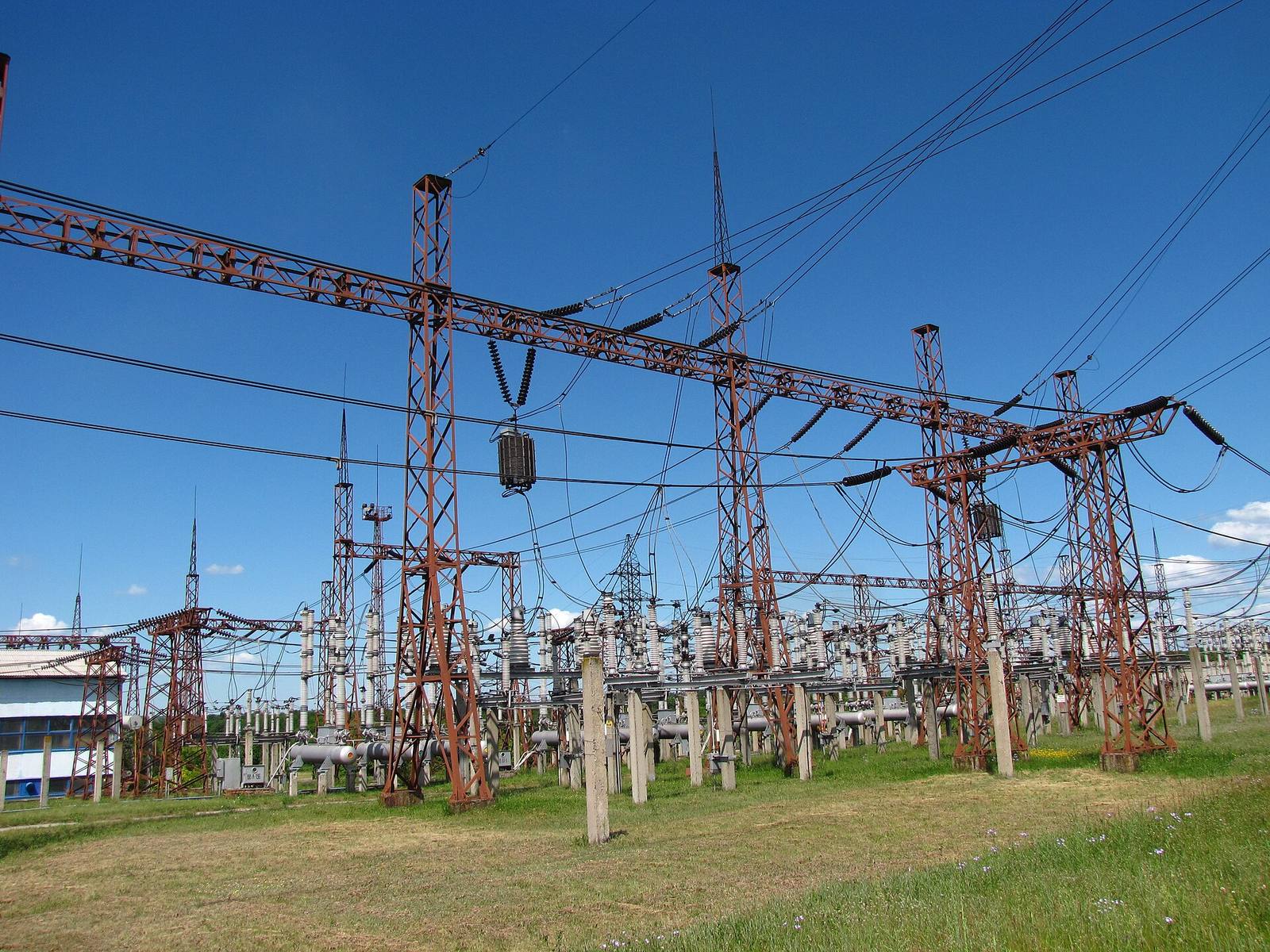
A pole-mounted transformer coming off an overhead distribution line needs more than a scrap-weight estimate. Its kVA rating, primary voltage, secondary connections, oil condition and removal status all affect whether it has usable equipment value. Texas Electrical Transformer Buyers buys surplus and used units for cash. If you need a pole mount transformer buyer, send the nameplate information and clear photographs so we can evaluate the actual equipment rather than make assumptions about its configuration.
These transformers commonly become available during utility rebuilds, co-op upgrades and changes to rural industrial lines. Some are serviceable units displaced by higher-capacity equipment; others have faults, leaks or incomplete maintenance histories. Tell us which situation applies and whether the transformer remains on a pole, sits on a platform or has already been lowered. Safe isolation, lifting access and ownership documentation are part of the buying discussion, not details to leave until pickup.
What we buy: ratings, connections and overhead configurations
We evaluate overhead distribution transformers typically rated from 10 to 500 kVA, including single-phase cans and three-phase equipment mounted on poles or platforms. Single-phase units may operate individually or form a three-unit bank. For a bank, identify every transformer separately and provide the connection arrangement when known. Matching appearance does not establish matching voltage ratings, impedance or condition. An individual replacement unit and a complete bank require different information to determine suitability for another application.
Primary ratings may identify a phase-to-neutral application on a grounded-wye system or a phase-to-phase connection; the nameplate and terminal arrangement must support that distinction. Secondary configurations can include 120/240 V single-phase service or three-phase bank connections. We review conventional and completely self-protected designs, including associated breakers and protective hardware. Units bearing names such as GE, Westinghouse, ABB, Eaton or Howard can be submitted, but manufacturer alone does not establish value or compensate for missing electrical data.
- Individual cans or identified three-unit banks
- Readable kVA and voltage nameplates
- Conventional and self-protected configurations
- Surplus, retired or damaged units for evaluation
| Typical capacity | Voltage class | Common applications |
|---|---|---|
| 10 to 500 kVA | 4.16 kV to 34.5 kV | Overhead distribution and rural lines |
Ranges are typical only. Send the nameplate for the actual ratings of your unit.
How we inspect and value pole-mounted transformers
Our review starts with the nameplate, serial number, terminal layout and photographs of the tank, cover, bushings and mounting brackets. We look for corrosion, deformation, oil staining, damaged porcelain and evidence of overheating. The primary tap setting matters because it affects the operating voltage relationship. Where available, transformer turns ratio, winding resistance, insulation resistance and oil test records help distinguish a documented serviceable unit from equipment whose condition remains uncertain. Photographs alone cannot establish internal electrical condition.
Offers are unit-specific and based on inspection. Relevant value drivers include usable capacity, voltage compatibility, completeness, documented operating history and the cost of handling or corrective work. A sealed, intact unit with traceable test results presents a different risk from a leaking transformer with unknown oil history. Fault damage, missing bushings or compromised mounting hardware can change the evaluation substantially. We also consider whether equipment is accessible on the ground or requires coordinated removal before it can be collected.
- Nameplate data and primary tap position
- Tank, bushing and bracket condition
- Available electrical and oil test results
- Access, handling and repair requirements
Failure modes, insulating oil and useful documentation
Be specific about why the transformer was removed. An overload event, lightning-related failure, internal fault and routine capacity upgrade are not interchangeable histories. Report blown protective devices, abnormal noise, repeated trips, low oil levels or visible leaks if those conditions were observed. A cracked bushing can allow moisture entry, while damaged seals may reduce oil integrity over time. Do not energize questionable equipment to demonstrate operation; existing maintenance records and testing by qualified personnel are the appropriate sources of condition information.
Oil documentation deserves separate attention, especially on older units or equipment with an uncertain service history. Supply available PCB analysis, oil sampling records and labels identifying the insulating liquid. Age or manufacturer does not prove PCB status, and an absent label is not evidence that oil is PCB-free. Unknown or regulated oil can affect acceptance, transportation and handling requirements. Include records of draining, refilling, repairs or retrofits so the evaluation reflects the transformer's current condition rather than only its original nameplate specifications.
- Reason for retirement and known fault history
- PCB analysis and insulating-liquid identification
- Leak, repair and oil replacement records
- Test dates tied to the correct serial number
Removal planning, line clearance and preparing a sale
Pole and platform removal requires a defined work plan, not simply a truck arriving below the equipment. The responsible utility or qualified electrical contractor must arrange isolation, verify absence of voltage and apply grounding where required. Nearby energized conductors still create line-clearance hazards after the transformer itself is disconnected. A bucket truck or crane may be needed, depending on height, weight and access. Lifting equipment, rigging and personnel must be suitable for the load and the surrounding electrical conditions.
Before discussing collection, identify who owns the transformer and who is responsible for disconnecting and lowering it. Provide the site access conditions, approximate lifting height, nameplate weight if listed, and whether the tank can be transported upright without leaking. After removal, keep the unit stable and protect its bushings from impact. Send individual photographs for each unit, along with quantity and supporting records. That information helps us assess the lot without treating every transformer as having the same condition or handling requirements.
- Confirmed ownership and removal responsibility
- Qualified isolation and line-clearance planning
- Suitable lifting access and load information
- Stable staging with protected bushings
Common questions
Can I sell one pole-mounted transformer rather than a complete bank?
Yes, an individual unit can be submitted for evaluation. Send its kVA rating, primary and secondary voltages, nameplate photograph and condition details. If it came from a three-phase bank, identify its position and the bank connection if documented. We assess the individual transformer on its own specifications; removal from a bank does not automatically establish compatibility with another bank.
Do you consider transformers that have failed or are leaking oil?
We can review damaged or leaking units, but acceptance depends on the actual condition, oil information and handling requirements. Describe the failure and photograph the affected areas without opening the tank or exposing yourself to electrical hazards. Known internal faults, significant corrosion and uncontrolled leakage can limit equipment value. Any offer remains specific to the unit and subject to inspection.
What if the nameplate is missing or unreadable?
Provide photographs of the remaining markings, terminal arrangement and any asset tags, plus maintenance or purchase records tied to the unit. Those records may help establish ratings and identity. Tank size or appearance alone is not a reliable way to determine voltage, capacity or winding connections. Missing identification introduces uncertainty and can restrict our ability to evaluate the transformer for continued use.
Will you evaluate a transformer that is still mounted on a pole?
You can send details while the unit is still installed, provided you can obtain them safely from existing records or accessible photographs. Do not climb the pole or approach energized equipment for a better picture. Tell us who controls the line and who will perform removal. Disconnection, line clearance, lifting and ground access must be addressed before collection arrangements are finalized.
Which test records are most useful when requesting an offer?
Useful records include transformer turns ratio, winding resistance, insulation resistance and available oil analysis, with dates and serial numbers identifying the tested equipment. PCB documentation is important when oil status is uncertain. Explain whether testing occurred before or after a fault, repair or extended storage period. Older results provide history, but they do not necessarily establish the unit's present condition.
Reviewed by the Texas Electrical Transformer Buyers buying desk · Last updated November 13, 2026