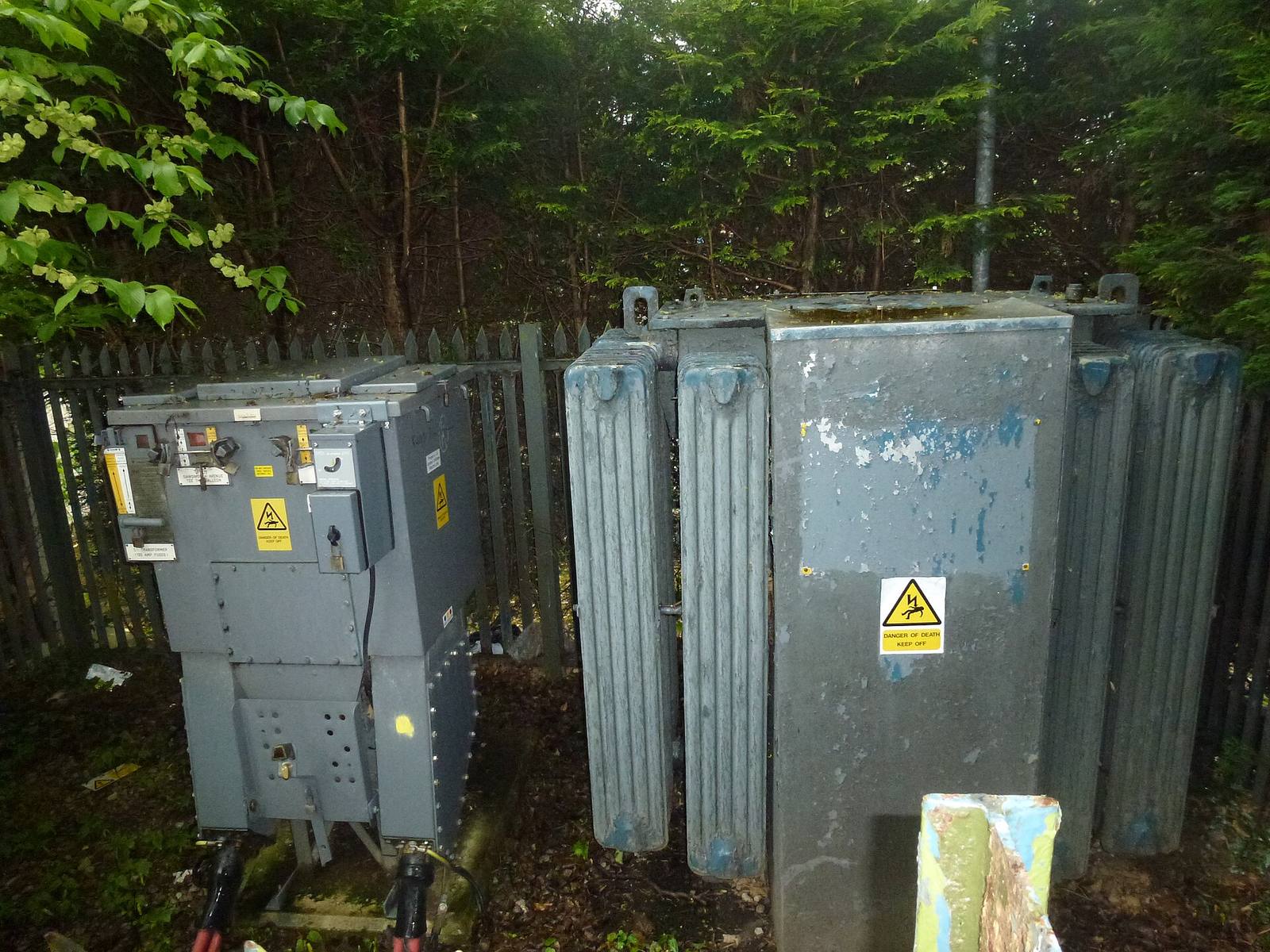
Transformer pickup preparation is a coordination job involving electrical isolation, site access, lifting, and transport. A purchase agreement does not make the equipment ready to move, and an estimated weight does not establish a safe lift. Before setting a pickup date, identify what must happen between the transformer’s current position and the transport vehicle. Resolve responsibility for each step so the arriving crew is not asked to solve electrical or environmental problems outside its assigned scope.
For a plant manager or equipment owner selling to Texas Electrical Transformer Buyers, useful preparation begins with accurate information and a realistic removal plan. Describe the unit, its condition, and the restrictions around it before equipment is dispatched. This guide covers the checks that help you coordinate qualified electrical personnel, riggers, transport providers, and site staff. Purchase offers remain unit-specific and based on inspection; pickup planning should follow the agreed scope rather than assumptions about what a buyer automatically handles.
Survey the Access Road, Gates, and Entire Removal Path
Walk the proposed route from the site entrance to the loading position and from the transformer to that position. Record gate clear openings, overhead clearance, tight turns, slopes, and fixed obstructions in feet and inches. Photograph pinch points with measurements rather than relying on a general statement that trucks enter the property. The transport provider needs to assess the route against the actual truck and trailer configuration. Include any restrictions on reversing, staging, road use, or entering the site during operating shifts.
Inside the facility, check door openings, corridor turns, floor transitions, cable trenches, steps, and equipment that could obstruct movement. A transformer may fit through a doorway but still lack room to turn on its handling equipment. Identify temporary removals, such as fencing or nonstructural barriers, and secure the necessary site approvals in advance. Do not remove building elements or assume floors can support concentrated loads without appropriate evaluation. Share a marked route and current photographs with the contractor responsible for moving the unit.
- Measure gate width and overhead clearances.
- Mark turns, slopes, trenches, and pinch points.
- Confirm staging and backing restrictions.
- Approve temporary obstruction removal beforehand.
Verify Ground Conditions and Plan the Crane Setup
Inspect the loading area for soft soil, standing water, recent excavation, pavement distress, and changes in elevation. Locate underground utilities, vaults, drainage structures, and other features that may affect equipment placement. Surface appearance alone cannot establish bearing capacity. The lifting contractor should determine whether the intended crane pad or setup area can support the planned outrigger loads and whether mats or other engineered measures are needed. Seek qualified engineering review where capacity is uncertain or the lift conditions warrant it.
Give the rigging contractor documented transformer weight, dimensions, lifting-point information, and photographs of corrosion or damage. Shipping weight and operating weight may differ, particularly when fluid or accessories are included, so identify what each figure represents. Crane selection also depends on lift radius, height, clearances, and the handling configuration. Have the contractor evaluate nearby power lines and establish required controls through qualified personnel. Agree on weather limits, an exclusion zone, and a stop-work process before the crew arrives.
- Identify buried structures beneath setup areas.
- Verify weight and what it includes.
- Have riggers assess lifting points and radius.
- Establish weather and exclusion-zone controls.
Complete Electrical Release and Address Fluid Containment
Schedule qualified electrical personnel to isolate the transformer from all connected energy sources, including possible secondary backfeed. They should complete lockout/tagout, verify absence of voltage, and address stored energy and grounding as required by the work conditions. Define who removes primary and secondary connections, control wiring, grounding connections, and attached accessories, and in what sequence. Mechanical crews should not make electrical safety determinations. Provide a documented release or the site’s equivalent confirmation before rigging begins, with locks and boundaries managed under the applicable site procedures.
For liquid-filled equipment, inspect for leaks and review fluid identification and available PCB documentation before deciding how it will be transported. Do not assume draining is necessary or that a sealed tank needs no further review. The transport provider and qualified environmental personnel should determine the appropriate handling arrangements for the unit’s condition. Prepare suitable containment and spill-response resources without blocking the removal path. If fluid must be removed, assign that work explicitly, including containers, labeling, storage, and management of any affected materials.
- Schedule authorized isolation and disconnection work.
- Confirm electrical release before mechanical handling.
- Review fluid records and existing leaks.
- Assign containment and fluid-handling responsibilities.
Prepare Records, Keys, Escorts, and Site Orientation
Create a pickup packet with the nameplate photograph, agreed unit identification, dimensions, weight documentation, condition notes, and relevant fluid reports. Include a site map showing the entrance, staging area, transformer location, and approved travel route. Confirm the paperwork needed to release the asset under your organization’s procedures, including any owner or insurer approval. Do not substitute an equipment description for clear identification: where several transformers are present, mark the intended unit using a safe method approved by site personnel.
Arrange gate keys, building access, escorts, and a site representative who can answer questions and authorize agreed actions. Provide the arriving crew with site orientation requirements, personal protective equipment expectations, emergency procedures, and restricted areas before work starts. Explain whether photographs, radios, or certain vehicles are restricted. Escorts should understand the planned route and remain available during movement. If access depends on a single person, designate a backup so the crew is not left waiting outside a locked gate or electrical room.
- Match release records to the specific unit.
- Distribute the site map and pickup packet.
- Arrange keys, escorts, and a backup contact.
- Communicate orientation and protective equipment requirements.
Set the Schedule and Put Rigging Responsibilities in Writing
Build the pickup schedule around readiness milestones rather than a desired truck arrival alone. Electrical work, containment preparation, access clearance, and lift planning must be complete in the proper sequence. Coordinate any operating outage, traffic interruption, security screening, and crane setup window with site management. Leave a practical contingency for weather or an unresolved inspection finding. Confirm the arrival window with all involved parties, but do not treat scheduling as permission to proceed if conditions differ from the reviewed plan.
Before dispatch, document who supplies the crane, rigging gear, operators, transport vehicle, and load securement, along with who performs each task. Ask whether the removal scope includes moving the unit from its pad or room, lifting it onto the trailer, and removing agreed accessories. Define cleanup and the condition in which the site will be left. If the buyer coordinates a contractor, still verify the agreed division of responsibilities. Conduct a final readiness review and stop the move if weight, access, isolation, or containment remains unresolved.
- Sequence isolation, site clearance, lifting, and loading.
- Assign crane, rigging, transport, and securement tasks.
- Confirm cleanup and accessory-removal scope.
- Resolve readiness gaps before equipment dispatch.
Common questions
Does the buyer automatically provide the crane and rigging crew?
Do not assume those services are included. The removal arrangement should state who contracts the rigging crew, supplies lifting equipment, loads the transformer, and provides transportation. Site conditions may require a specialized contractor. Confirm the scope before scheduling so neither the site staff nor an arriving driver is expected to improvise a lift or perform electrical disconnection.
What should I do if the transformer’s weight is unknown?
Look for manufacturer drawings, shipping records, manuals, or other reliable documentation, and identify whether the stated weight includes fluid and accessories. Send that information to the lifting contractor for review. If the weight remains uncertain, the contractor should establish an appropriate verification method before selecting equipment or approving the lift. Exterior dimensions alone are not a dependable lifting weight.
Can pickup proceed if it rains or the ground becomes soft?
The lifting and transport contractors must reassess conditions against the approved plan. Rain can affect ground bearing capacity, traction, visibility, and access even when the transformer itself is ready. Do not direct equipment onto questionable ground to preserve the schedule. Additional support measures or rescheduling may be necessary, and the responsible professionals should make that decision before setup or movement.
Reviewed by the Texas Electrical Transformer Buyers buying desk · Last updated November 13, 2026