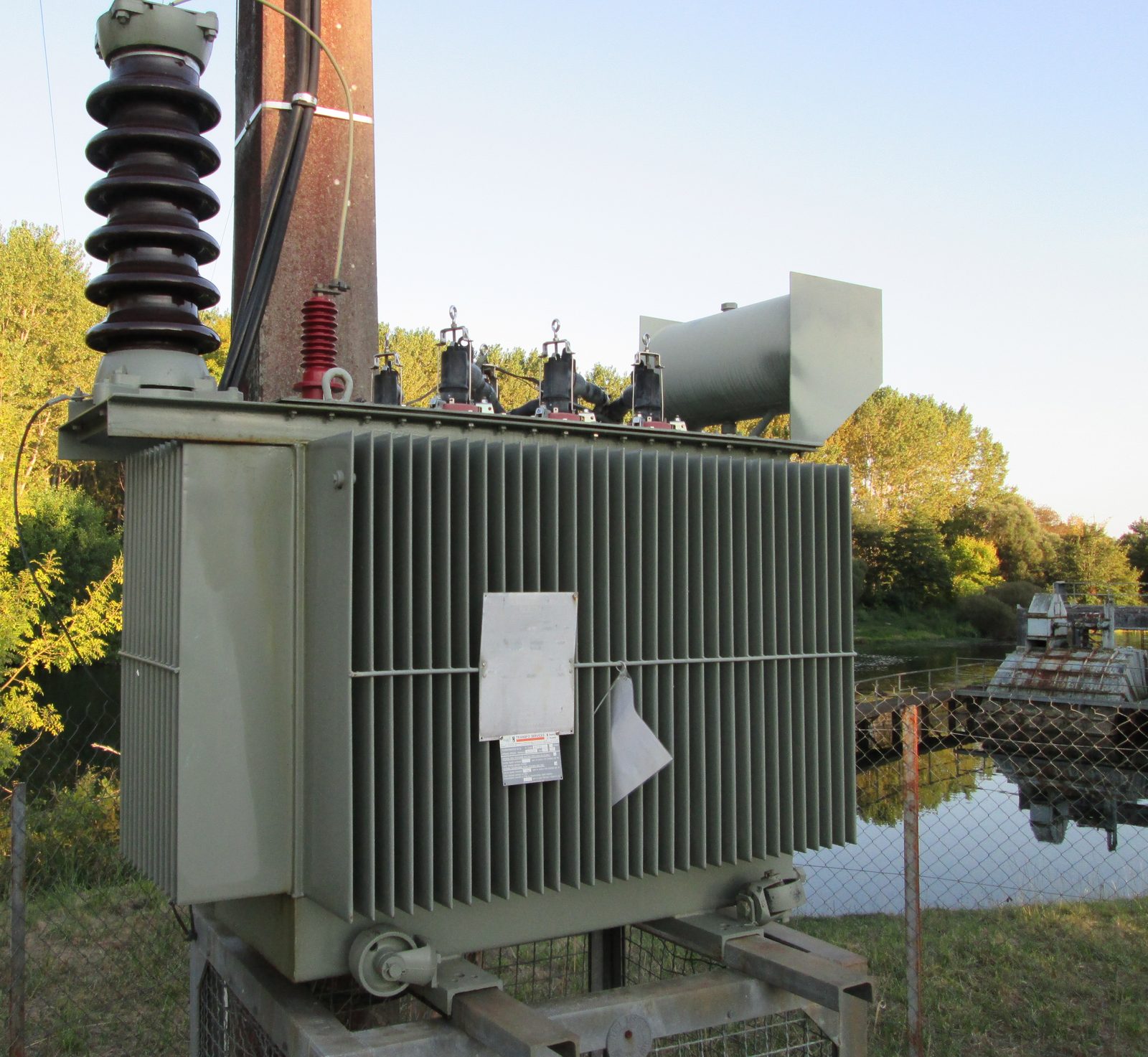
PCB testing transformer oil is an environmental documentation step, not a test of electrical performance. Before offering a liquid-filled transformer to a buyer, establish what liquid it contains and whether reliable records describe its PCB concentration. A nameplate, a maintenance note, and a laboratory report do not necessarily provide the same evidence. The goal is to identify uncertainty early, protect personnel during sampling, and avoid treating an undocumented transformer as though its environmental status were already settled.
Start with records, but examine what they actually prove
Collect the nameplate information, fluid identification, service history, and any previous PCB laboratory reports. Check whether a report identifies the transformer by serial number or another traceable identifier. A result associated only with a building or equipment group may not establish the status of the specific unit you intend to release. Manufacturing age can guide questions, but it should not substitute for reviewing the applicable documentation and regulatory classification.
Maintenance history matters because the liquid in the tank may not be the liquid originally installed. Oil replacement, topping off, retrofilling, or shared service equipment can complicate the record. A manufacturer’s statement about original construction therefore answers a narrower question than a properly identified sample of current fluid. Ask whether the supporting documents reflect subsequent work. Where records conflict or leave gaps, obtain qualified environmental guidance before representing the transformer’s PCB status to a buyer.
- Match reports to serial numbers
- Identify the current fluid
- Review oil service history
- Flag conflicting documentation
Plan sampling around safety and traceability
Do not open a transformer or operate a sampling valve simply because a laboratory needs oil. Equipment condition, electrical hazards, pressure, temperature, and containment requirements must be addressed by qualified personnel. Consult the laboratory before collecting a sample so its container, volume, labeling, and handling requirements are understood. An improvised sample in an unsuitable bottle can create exposure concerns and leave you with a result that is difficult to defend.
Build traceability into the sampling event. Record the equipment identifier, sampling point, collection date, and person collecting the sample; follow the laboratory’s chain-of-custody procedure. Prevent cross-contamination from tools or containers previously used on other equipment. For a group of transformers, maintain distinct samples and paperwork unless a qualified professional has established another appropriate approach. One undocumented composite sample should not be treated as proof that every tank has the same PCB concentration.
- Use qualified sampling personnel
- Follow laboratory container instructions
- Maintain chain-of-custody records
- Prevent sample cross-contamination
Read concentration, detection limits, and classification together
PCB laboratory results commonly report concentration in parts per million, or ppm. Under federal PCB rules, concentrations below 50 ppm, from 50 to less than 500 ppm, and at or above 500 ppm can have different classification consequences. These thresholds are not a complete compliance determination: equipment history, applicable assumptions, and other requirements may also matter. A seller should have a qualified environmental professional interpret uncertain results rather than relying on a threshold alone.
Pay attention to the reporting limit when a result says not detected. That wording does not mean absolute zero; it means the laboratory did not detect PCBs at or above the stated limit using its method. Likewise, the analytical result is separate from decisions about draining, transport, storage, or disposal. Share the complete report, including sample identification and analytical notes, rather than forwarding only a cropped image of the concentration or a verbal summary.
- Retain the complete report
- Check units and reporting limits
- Distinguish testing from compliance
- Seek interpretation where needed
Use PCB documentation to define the sale discussion
Present environmental information alongside the transformer’s ratings and physical condition. A buyer needs to understand both what the equipment is and what restrictions may affect its handling. If testing is pending, say so directly. If a report cannot be matched to the unit, disclose that limitation. Texas Electrical Transformer Buyers considers equipment for cash purchase, but acceptance depends on review; offers are unit-specific and based on inspection, not merely on an available laboratory result.
The practical sequence is records review, qualified sampling when needed, laboratory interpretation, and then a documented purchase discussion. Do not drain or move uncertain equipment just to simplify the transaction. A favorable PCB result does not prove sound insulation, and a mechanically complete transformer does not resolve environmental questions. Keep those evaluations separate, preserve the paperwork, and make handling responsibilities explicit before releasing equipment you are disposing of to another party.
- Disclose pending analytical work
- Submit ratings with environmental records
- Avoid premature draining
- Define release and handling responsibilities
Common questions
Does a non-PCB label eliminate the need for a laboratory test?
A label can be useful evidence, but it needs context. Verify which transformer it describes, who applied it, and what records support it. Later oil work or uncertain service history may justify additional review. Whether testing is needed depends on the documentation, applicable requirements, and buyer evaluation; do not assume a label resolves every handling or classification question.
Can a DGA report establish whether transformer oil contains PCBs?
No. Dissolved gas analysis measures gases associated with operating conditions and possible faults; it is not a PCB concentration analysis. Request the appropriate PCB laboratory analysis separately when needed. If both reports exist, submit them as distinct records tied to the same equipment identifier, with their respective sampling dates and any intervening oil maintenance documented.
Reviewed by the Texas Electrical Transformer Buyers buying desk · Last updated November 13, 2026