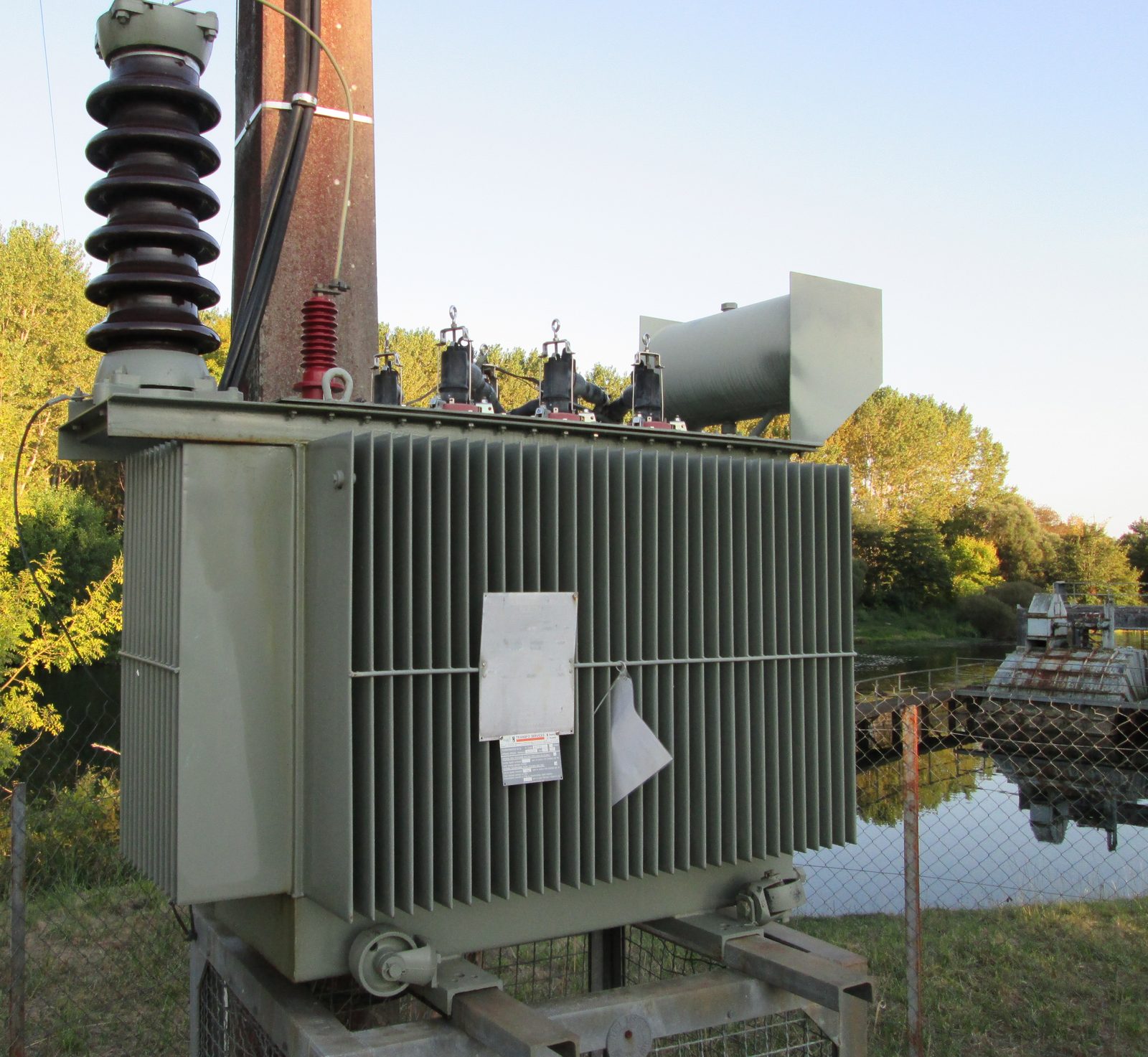
An oil-filled transformer can retain resale value after a plant shutdown, capacity change or equipment replacement, but its condition needs to be established before removal. Texas Electrical Transformer Buyers buys surplus and used liquid-filled units for cash. We evaluate the complete asset: electrical ratings, insulating liquid, tank integrity, accessories and the work required to recover it. A readable nameplate and clear photographs give us a practical starting point for reviewing your equipment.
If you need an oil filled transformer buyer, send information that distinguishes your unit from a similar-looking transformer with different operating requirements. Mineral oil, natural ester and silicone liquid have different handling considerations, and sealed-tank construction differs from a conservator arrangement. Tell us whether the transformer is energized, disconnected or already in storage. Offers are unit-specific and based on inspection, with fluid records and removal conditions considered alongside the transformer itself.
What we buy
We review oil-filled power and distribution transformers from industrial substations, utility service equipment and other electrical installations. Useful specifications include kVA or MVA capacity, primary and secondary voltage, phase count, frequency, impedance and cooling designation. Identify any load tap changer, de-energized tap switch or dual-voltage winding arrangement. Those details determine whether the unit fits another application and whether its operating configuration can be verified without relying on assumptions about the installation it came from.
Units may have sealed tanks, nitrogen-blanketed systems or conservators with separate expansion space. We also consider transformers with radiators, fans, pumps, cable compartments or external bushings, provided the scope of the equipment is clear. Nameplates from manufacturers such as GE, ABB, Siemens and Eaton help identify construction and available technical references, but the manufacturer alone does not establish value. Include photographs of every supplied accessory and disclose missing components, damaged porcelain or previously removed cooling equipment.
- Mineral oil, natural ester or silicone liquid
- Sealed-tank and conservator configurations
- Power and distribution voltage ratings
- Complete units or disclosed incomplete equipment
| Typical capacity | Voltage class | Common applications |
|---|---|---|
| 10 kVA to 500 MVA | 0.6 kV to 345 kV | Outdoor distribution and power service |
Ranges are typical only. Send the nameplate for the actual ratings of your unit.
How we inspect and value
Our inspection considers the tank, welds, radiator connections, gaskets, valves and bushings before treating the transformer as a usable asset. Oil staining can indicate an active leak or a past repair, so photographs should show both the affected area and the surrounding surfaces. We review liquid level against the relevant temperature indication when available. Corrosion around the tank base, damaged bushing skirts and loose terminal connections require closer evaluation because each can affect serviceability or removal risk.
Available oil tests provide evidence that exterior photographs cannot. Dissolved gas analysis can indicate thermal or electrical faults, while moisture and dielectric breakdown results help assess liquid condition. A PCB screen establishes information relevant to handling and disposition; it is not a substitute for other fluid tests. We consider sample dates, laboratory findings and operating history together. Capacity, voltage compatibility, documented condition, completeness and recovery cost all influence an inspection-based offer rather than a universal price per kVA.
- DGA results and sampling dates
- Moisture and dielectric breakdown reports
- PCB screening documentation
- Tank, bushing and gasket condition
Failure modes and records that matter
Describe why the transformer left service, even when the reason appears unrelated to its condition. A unit displaced by a capacity upgrade presents a different evaluation from one removed after differential protection operated. Internal arcing, overheating, winding movement and insulation deterioration can leave evidence in test results or maintenance records. Repeated fluid additions may point to leakage, while abnormal pressure events warrant investigation. Do not classify a transformer as operational solely because it was energized before being disconnected.
Useful records include the original test report, recent insulation resistance measurements, winding resistance results, turns-ratio testing and any power-factor or dissipation-factor testing. Share tap changer maintenance history where applicable, along with bushing replacement records and fluid processing reports. For conservator units, identify the bladder or diaphragm condition if known. Missing records do not automatically end a review, but uncertainty affects what can be verified and may require additional inspection before the equipment receives a purchase offer.
- Reason for retirement or replacement
- Protective relay event information
- Electrical test and repair records
- Tap changer and fluid maintenance history
Preparing for removal and a purchase review
Before arranging lifting or transportation, establish the transformer’s dimensions, total weight, liquid volume and available lifting provisions. Shipping weight may differ from operating weight if radiators or liquid must be removed, so distinguish those figures in your documentation. Explain access restrictions, overhead obstructions, containment requirements and whether a crane can reach the equipment. A transformer inside a substation enclosure can involve substantially different recovery work from a disconnected unit positioned beside an accessible loading area.
Have qualified personnel isolate the equipment, verify absence of voltage and address grounding under the site’s procedures before any dismantling begins. Do not drain liquid or remove bushings simply to make the unit easier to photograph. Those actions can introduce moisture, lose identifying information or complicate transport. Send the nameplate, overall photographs, fluid records and proposed removal scope first. We can then evaluate the equipment with its present condition and the responsibilities for disconnection, handling and loading clearly defined.
- Operating and shipping weights
- Liquid volume and containment conditions
- Crane access and loading restrictions
- Defined disconnection and removal scope
Common questions
Will you consider an oil-filled transformer that leaks?
Yes, a leaking unit can be submitted for review. Identify the leak location, whether liquid is actively escaping and any repairs already attempted. A gasket leak and a cracked tank do not carry the same implications. We assess remaining liquid, environmental handling requirements, repair feasibility and overall electrical condition before deciding whether to make an offer.
Do I need oil test results before contacting you?
Existing reports are helpful, but you can begin with the nameplate, photographs and operating history. Tell us whether DGA, moisture, dielectric breakdown or PCB screening has been performed and when samples were collected. We review the available information and determine what additional evidence may be necessary; an old report does not establish the transformer’s current condition.
Can you buy natural ester or silicone-filled transformers?
We consider units containing natural ester or silicone liquid as well as mineral oil. Identify the fluid from the nameplate, maintenance records or supplier documentation rather than appearance. Disclose any fluid replacement or retrofill. Liquid type affects compatibility, handling and evaluation, and it should remain clearly identified throughout any proposed removal or transportation process.
What if the transformer has no PCB documentation?
Tell us that the PCB status is unknown rather than assuming the liquid is PCB-free. Provide the manufacturing information and any fluid service records you have. Appropriate sampling or documentation may be needed before handling or disposition can be established. We do not infer regulatory status from the transformer’s exterior condition or the fact that it remained in service.
Should I remove the radiators or drain the oil before selling?
Leave the transformer intact unless a qualified removal plan requires otherwise. Premature disassembly can create leaks, expose insulation to moisture and separate components from the unit they belong to. Submit dimensions, weights and access details first. Any required draining, accessory removal or shipping preparation should be coordinated with the purchase review and performed by personnel qualified for that work.
Reviewed by the Texas Electrical Transformer Buyers buying desk · Last updated November 13, 2026