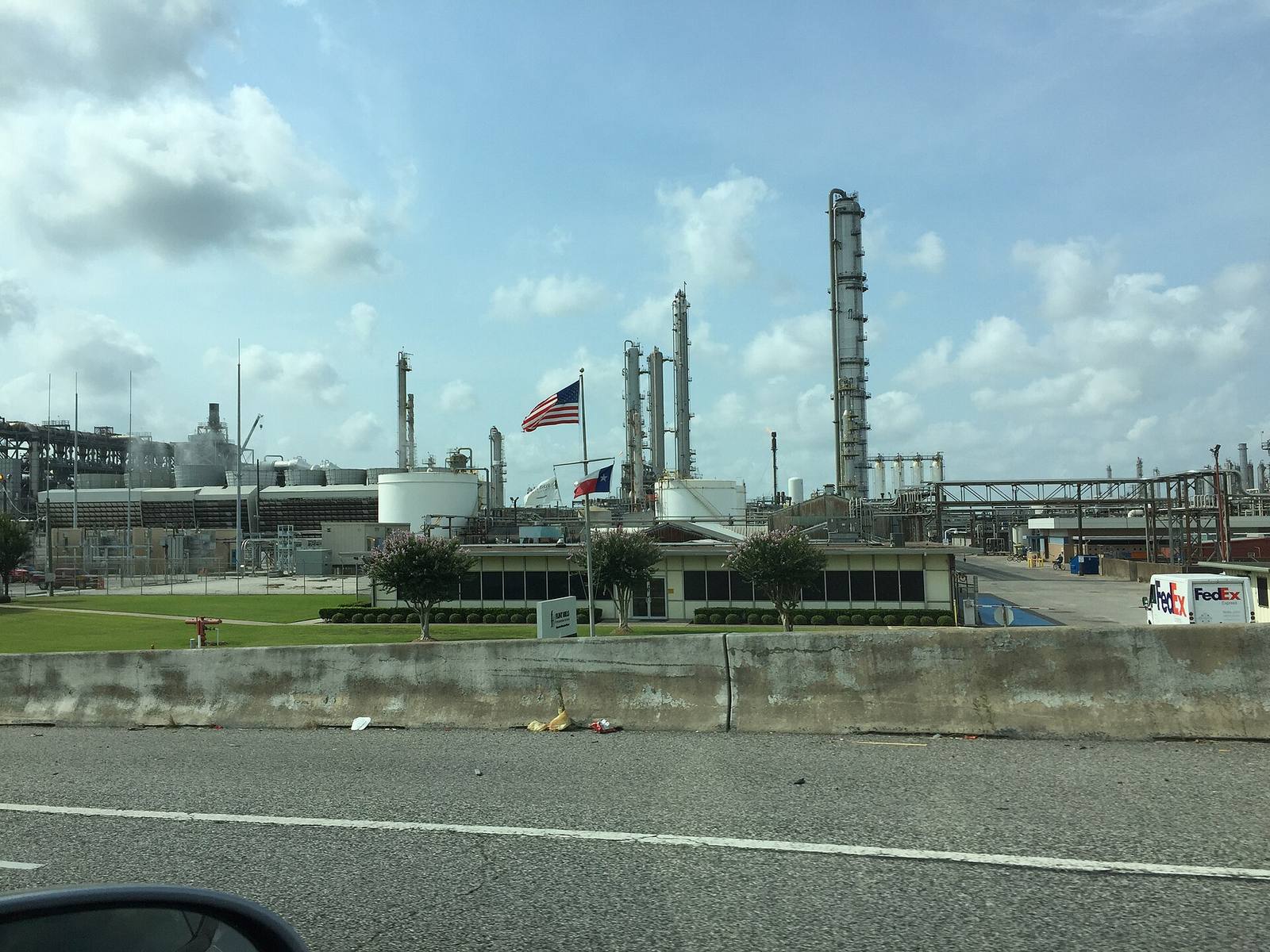
Closing a plant or moving production leaves an equipment disposition problem that must fit a larger exit schedule. Transformers may belong to different systems, remain needed through separate shutdown stages, or require approval before sale. Our plant closure transformer liquidation service gives owners and facility managers a direct buying option for transformer fleets and identified electrical equipment, with valuation and removal planning tied to the assets being released.
Define the Assets Available for Purchase
Build an asset list that separates equipment offered for sale from infrastructure staying with the property. During a facility sale, that distinction may depend on the transaction documents; during a line move, some transformers may be retained for the new location. Confirm ownership and disposition authority before including an asset. Identify leased equipment, utility-owned units, and anything subject to unresolved sale restrictions so it is not treated as available.
Assign each transformer a consistent identifier and connect it to its nameplate information, location, and release status. Include related electrical equipment you want considered, but list it separately rather than assuming it belongs in the transformer purchase. A defined asset package supports a clearer buying review and prevents removal crews from relying on informal descriptions. Grouped offers still require an understanding of the individual units and their conditions.
- Asset list with consistent equipment identifiers
- Owned equipment authorized for disposition
- Retained and excluded infrastructure marked
- Related electrical assets listed separately
Prepare Records for a Fleet-Level Review
For each unit, supply ratings, voltages, transformer type, photographs, and available condition records. Note whether it is operating, stored, disconnected, or scheduled for retirement. Maintenance history, known faults, fluid information, and missing components help establish the scope of inspection. A fleet with mixed service histories should not be described with one blanket condition statement, because one damaged or inaccessible unit can require a different purchase and removal approach.
We review the package to identify purchase interest and determine what needs verification on site. Asset counts, nameplates, accessories, and condition must match the proposed transaction. Offers are unit-specific and based on inspection, with the overall package also affected by access and removal requirements. If records are incomplete, identify the gaps early so inspection planning can address them without assuming that every listed transformer is equally ready for sale.
- Unit-by-unit ratings and condition details
- Operating and retirement status identified
- Available maintenance and fluid documentation
- Asset counts verified against the package
Structure the Buyout Around Release Stages
A closure rarely releases every electrical asset at once. Some transformers may support remaining production, building services, or work needed before final turnover. Establish the sequence with your operations and electrical teams, then identify when each asset can be safely disconnected. The purchase agreement should define included equipment, payment terms, ownership transfer, and any staged release conditions so the buyout does not conflict with essential site activities.
Removal coordination follows that release sequence. Map access routes, loading areas, and equipment locations before demolition or other contractors change the site. Rigging requirements may differ across the fleet, particularly when indoor units and outdoor equipment are involved. Qualified personnel must complete the required electrical preparation before handling. Each pickup stage should have a defined equipment list and an authorized site contact to confirm that the correct assets are leaving.
- Release sequence aligned with shutdown work
- Purchase terms covering staged availability
- Rigging routes reviewed before site changes
- Pickup lists checked against authorized assets
Coordinate Coverage and Facility Exit Deadlines
Provide the facility location, final possession or turnover date, and intermediate deadlines that affect equipment removal. Coverage and transport planning depend on where the assets are located and how they must be handled. If a line move involves equipment at more than one site, identify each location separately. Scheduling should account for inspection, seller approvals, disconnection, lifting resources, and transportation rather than treating the exit date as the only milestone.
Keep the asset list current as closure decisions change. Equipment reassigned to another operation, sold with the building, or retained for temporary service should be removed from the available package or given a revised release date. Advise us when demolition, restricted access, or contractor congestion affects the handling plan. A direct buyout works best when purchase decisions and removal responsibilities are documented before the site reaches its final clearance stage.
- Facility location and coverage assessment
- Turnover dates and intermediate removal milestones
- Separate release details for multiple sites
- Updated asset list as closure plans change
Common questions
Can you review an entire transformer fleet in one transaction?
Yes, a fleet can be presented as a single purchase package. Provide a unit-by-unit list, photographs, condition details, and release dates. The review still considers individual equipment differences and may identify assets that require additional inspection or a separate handling plan. The final agreement establishes which units are included and how their removal will be coordinated.
What if some transformers must remain in service until the final shutdown?
Identify those units and their expected release dates when submitting the package. A proposed buyout can be reviewed around staged availability, but operating equipment must not be removed ahead of the site's approved shutdown sequence. Purchase terms and pickup planning need to reflect any continued use, required disconnection work, and changes in condition before collection.
Can other electrical equipment be included with the transformers?
Related electrical equipment can be submitted for buying consideration during a closure or line move. List each asset separately with identification, condition, photographs, and ownership information. Inclusion is determined through the review and purchase agreement, not assumed from its proximity to a transformer. Clearly mark any equipment that stays with the facility or belongs to another party.
Reviewed by the Texas Electrical Transformer Buyers buying desk · Last updated November 13, 2026