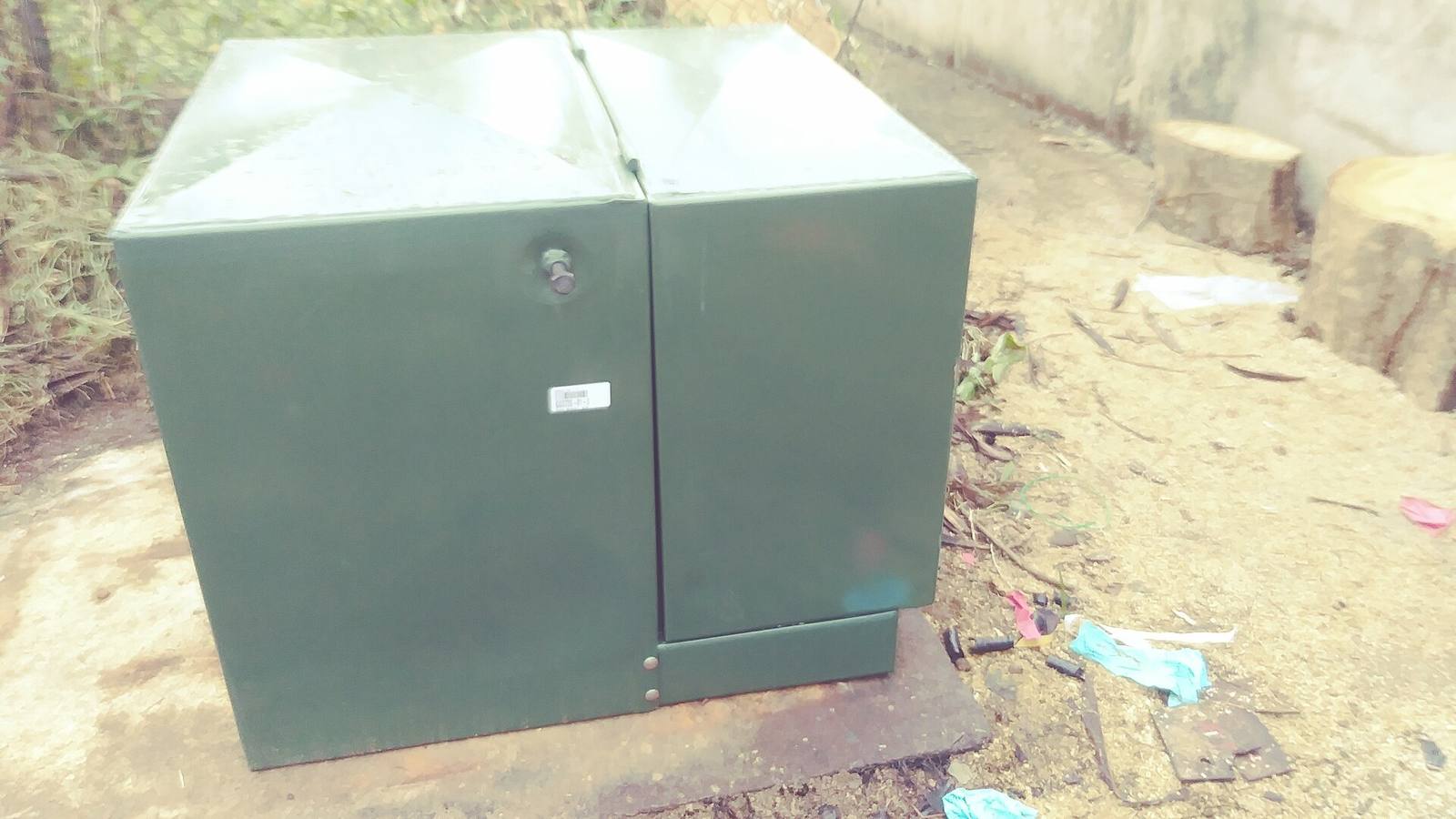
Preparing to sell Eaton transformers starts with separating the transformer specifications from the rest of the distribution equipment. Texas Electrical Transformer Buyers purchases used and surplus units for cash, including equipment carrying Eaton or Cooper identification. Send photographs that show the complete assembly and its nameplate, then explain whether it is operating, disconnected, or stored. Each offer depends on the specific equipment.
Eaton and Cooper Equipment Identification
We consider Eaton distribution transformers and pad-mounted units, including Cooper-branded transformers presented for evaluation. Eaton acquired Cooper Power Systems in 2012, so equipment records may reference either name. Use the branding actually shown on the unit rather than relabeling older equipment. Include separate photographs of any replacement identification plates, especially when maintenance records describe the transformer differently from its original labeling.
An installation may also contain Eaton or Cooper switchgear, regulators, and reclosers. Those devices should be listed individually because they are not interchangeable with the transformer and may have separate specifications. Describe the boundaries of the proposed equipment sale, including any detached accessories. Texas Electrical Transformer Buyers operates as an independent purchaser and does not claim Eaton authorization or a manufacturer partnership.
- Eaton distribution transformers
- Cooper-branded units
- Pad-mounted equipment
- Individual asset listings
Document the Pad-Mounted Configuration
For a pad-mounted transformer, provide nameplate capacity, primary and secondary voltages, phase, serial number, and connection details. Describe the compartment arrangement and include exterior photographs from several sides. Connection configuration matters when comparing similar-looking units. Only photograph internal labels or terminals when authorized personnel have established safe access; there is no need to expose energized equipment for an initial submission.
Include available information about the fluid type, listed weight, fusing, and switching components associated with the transformer. Show cabinet corrosion, door damage, missing locks, and the condition of accessible bushings in your photographs. Explain whether cables remain attached and whether elbows or other connection accessories are included. These observations help define what is physically available for inspection and potential purchase.
bullets_placeholder
- Compartment arrangement
- Primary connections
- Cabinet condition
- Included accessories
Supply Records and Disclose Known Problems
Helpful records include commissioning documents, maintenance inspections, oil testing, electrical test results, and reports from any repair work. A transformer stored as a spare may have limited operating history but still have handling or storage records. Give document dates and identify the unit they cover. Records describing an entire distribution system should not be presented as individual transformer test results alone.
Disclose leaks, fuse operations, suspected faults, damaged connections, or any reason the transformer was taken out of service. If the condition is unknown, explain when it last operated and what happened afterward. For Cooper-branded equipment, older files may use a different asset designation than current records. Linking those records through the serial number helps establish a usable history without relying on assumptions.
- Commissioning records
- Fault history
- Oil test results
- Serial-number matches
Offer Factors for Eaton Transformers
Capacity, voltage configuration, physical condition, and completeness all affect the purchasing assessment. Cabinet damage may be visible immediately, while insulation or fluid concerns require further evaluation. Included connection accessories and identifiable switching components can also influence the scope. Offers are unit-specific and based on inspection; neither the Eaton name nor a clean exterior establishes a guaranteed amount for a used transformer.
Describe how the equipment can be reached and removed after safe electrical disconnection. Pad-mounted units may have underground cable connections or site obstacles that complicate handling. Provide listed weight, dimensions, loading access, and any restrictions on equipment movement. Establish who is responsible for cable work, lifting, and site restoration rather than assuming those tasks are automatically included in the equipment purchase.
- Electrical configuration
- Cabinet completeness
- Cable disconnection
- Site access
Common questions
Can I sell a Cooper transformer through your Eaton equipment review?
We consider Cooper-branded transformers as well as Eaton units. Eaton acquired Cooper Power Systems in 2012, but you should identify your equipment by its actual manufacturer plate. Send ratings, serial number, condition photographs, and available records. The specific transformer and inspection findings determine the offer, not an assumption that every Cooper unit matches a later Eaton design.
Do pad-mounted transformer connection accessories need to stay with the unit?
Tell us which accessories are included before anything is removed or discarded. Photographs and an itemized description help establish the proposed purchase scope. Do not detach electrical components solely for our review. Safe disconnection should be handled by appropriately qualified personnel, and the final terms should specify which components remain with the transformer.
What should I disclose about a pad-mounted cabinet that has rust?
Provide close-up photographs of the affected areas and wider views showing their location on the cabinet. Note damaged doors, compromised hinges, holes, or known water entry rather than describing all corrosion as cosmetic. Cabinet condition is one part of the evaluation; electrical condition, fluid records, completeness, and inspection findings also affect whether an offer can be made.
Reviewed by the Texas Electrical Transformer Buyers buying desk · Last updated November 13, 2026