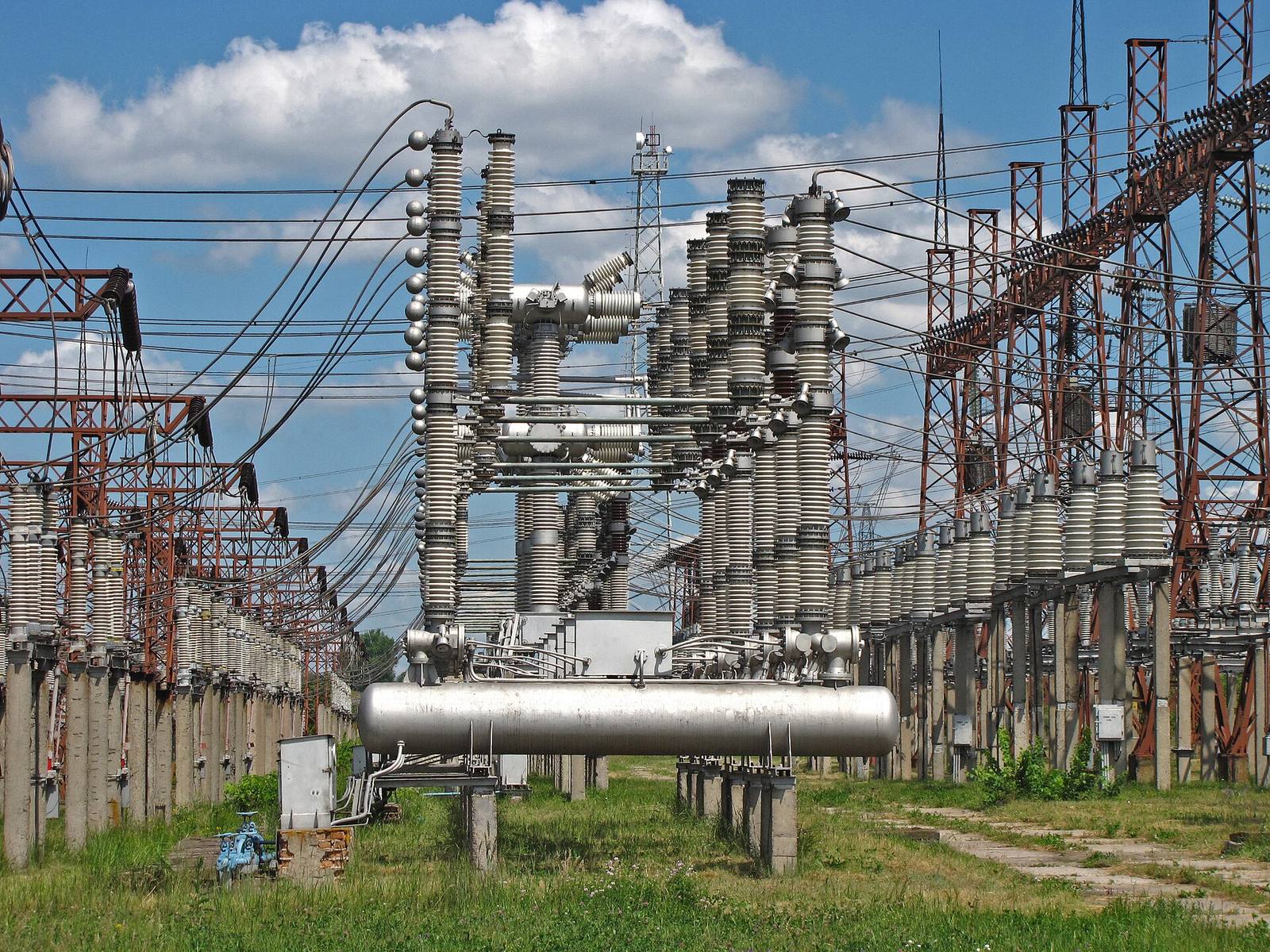
A step-up transformer needs more than a capacity rating to establish its resale potential. The winding voltages, connection arrangement, grounding provisions and source application determine where it may be usable again. Texas Electrical Transformer Buyers purchases surplus and used units from generator, wind and solar service. Whether your equipment was replaced, held as a spare or removed from an operating installation, we review its technical configuration and actual condition before making a purchase decision.
When choosing a step up transformer buyer, provide the generator or inverter-side voltage and the collection or transmission-side voltage exactly as shown on the nameplate. These transformers often have low-side ratings from 0.6 to 34.5 kV and high-side ratings from 34.5 to 345 kV, but each application has distinct requirements. We also need to understand operating history, available test evidence and removal access. Any offer is specific to the unit and based on inspection.
What we buy
We consider generator step-up transformers, wind turbine transformers and solar inverter step-up units, including surplus spares and equipment retired during system changes. Provide the MVA or kVA rating at each cooling stage, nominal winding voltages, frequency, impedance and tap range. A transformer serving one generator differs from a multiwinding unit serving separate inverter circuits. Identify every winding and terminal group so we can evaluate the complete electrical arrangement rather than treating all step-up equipment as interchangeable.
Construction may include liquid-filled outdoor tanks, pad-mounted compartments or other designs suited to the original installation. Share the manufacturer and serial number, including nameplates from companies such as Hitachi Energy, GE or Siemens where applicable. Explain whether neutral bushings, surge arresters, cooling banks, control cabinets and monitoring devices remain with the transformer. A recognized brand helps trace technical information, but verified ratings, condition and completeness carry more weight than a manufacturer’s name by itself.
- Generator step-up and spare power units
- Wind turbine voltage-raising transformers
- Solar inverter collection transformers
- Two-winding and documented multiwinding designs
| Typical capacity | Voltage class | Common applications |
|---|---|---|
| 0.5 to 500 MVA | 0.6 kV to 345 kV | Wind, solar and generator interconnection |
Ranges are typical only. Send the nameplate for the actual ratings of your unit.
How we inspect and value
We begin with the winding configuration, voltage ratio, impedance and insulation levels because these determine electrical suitability. Delta and grounded-wye arrangements have different system implications, and phase displacement must be documented rather than guessed from terminal appearance. We review basic impulse insulation level, neutral insulation information and available tap positions. For a transformer with multiple low-voltage windings, the individual winding ratings and relationships need to be clear before its aggregate capacity can be interpreted correctly.
Physical and electrical condition then shape the purchase evaluation. We inspect bushings, terminals, tanks or enclosures, cooling equipment and control wiring, and review turns-ratio, winding resistance and insulation test records. Liquid-filled units also warrant fluid condition review, including DGA when available. Verified performance, suitable voltage combinations, intact accessories and manageable removal requirements support value. Fault history, uncertain insulation condition or missing cooling components can change the assessment substantially. We make unit-specific offers based on inspection, not a fixed formula.
- Winding connections and phase displacement
- Impedance, tap range and insulation levels
- Electrical tests and fluid condition
- Cooling capacity and accessory completeness
Operating duty, failure modes and documentation
The source application helps explain the stresses a step-up transformer has experienced. Generator service can involve high loading and system fault exposure, while inverter applications may involve harmonics and frequent changes in output. Neither application establishes condition on its own. Provide loading records, temperature alarms and protection events where available. Evidence of overheating, repeated trips, bushing deterioration or abnormal gas generation deserves investigation, particularly if the transformer was removed following a fault rather than a planned equipment change.
Send the factory test report, connection diagram and records of repairs or modifications. For generator step-up equipment, identify any isolated-phase bus interfaces and whether adapters or terminal hardware are included. For wind and solar units, describe cable interfaces, separate inverter windings and any specified electrostatic shielding. If a winding was repaired or the transformer was rewound, include the resulting test documentation. Those details help distinguish the original nameplate configuration from the equipment’s present, verifiable electrical and mechanical condition.
- Loading and temperature event records
- Generator or inverter connection diagrams
- Repair, rewind and modification reports
- Terminal interface and shielding information
Removal planning for large and specialized units
Step-up equipment can require significant preparation before leaving its foundation or enclosure. Establish transport dimensions, operating weight, shipping weight and the weight of removable accessories. Large bushings, conservators and cooling banks may require separate packing under an appropriate transport plan. Identify lifting points, jacking provisions and any restrictions on moving the transformer with liquid installed. Site access, crane positioning, haul-route limitations and available loading space should be described before removal responsibilities are assigned or dismantling is scheduled.
The electrical isolation plan must account for every connected source, including generators, inverter circuits and the high-voltage system. Qualified site personnel should handle disconnection, verification and grounding according to applicable procedures. Preserve terminal labels and photograph cable or bus connections before they are removed. Keep controls, marshalling cabinets and loose accessories associated with the correct unit. When you submit equipment for purchase review, specify what remains installed, what has already been disconnected and which parties will perform each part of the recovery work.
- Transport envelope and accessory weights
- Bus, cable and neutral connections
- Lifting provisions and site access
- Isolation status for every winding
Common questions
Do you buy both generator and inverter step-up transformers?
We review both categories, including wind and solar equipment. Send the source-side and high-side ratings, winding diagram, capacity and cooling information. Inverter units may have multiple low-voltage windings or application-specific features that affect suitability. Generator units may have specialized bus connections. We evaluate those distinctions before determining whether the transformer fits our purchasing requirements.
Can a step-up transformer be evaluated without its original drawings?
A readable nameplate and terminal photographs can start the review, but missing drawings may leave important questions unresolved. We need reliable information about winding connections, phase displacement, taps and accessory circuits. Existing test reports or manufacturer documentation may help establish those details. Do not infer the configuration from cable routing or the way the previous installation was operated.
Does a higher MVA rating always mean a higher offer?
No. Capacity is one factor, but voltage combination, impedance, condition, documentation and recovery costs also matter. A large unit with difficult transport requirements or uncertain winding condition may be less practical to acquire than a smaller, well-documented transformer. Offers are based on the specific equipment and inspection findings, not simply on its nameplate MVA rating.
Will you consider a transformer removed after a generator fault?
Yes, provided the fault history is disclosed. Explain whether the event involved the generator, transformer or connected system, and send relay records and post-event testing if available. Through-fault forces can affect windings even without visible exterior damage. We review the evidence before classifying the unit’s condition or deciding whether further inspection is appropriate.
What should remain with the transformer during a sale?
Identify all included bushings, cooling assemblies, control cabinets, monitoring devices, terminal hardware and loose accessories. Preserve labels and match removed parts to the correct transformer. Missing components can affect operating capability and recovery costs. If items must be removed for transportation, document their condition and packing arrangements rather than treating them as unrelated surplus equipment.
Reviewed by the Texas Electrical Transformer Buyers buying desk · Last updated November 13, 2026