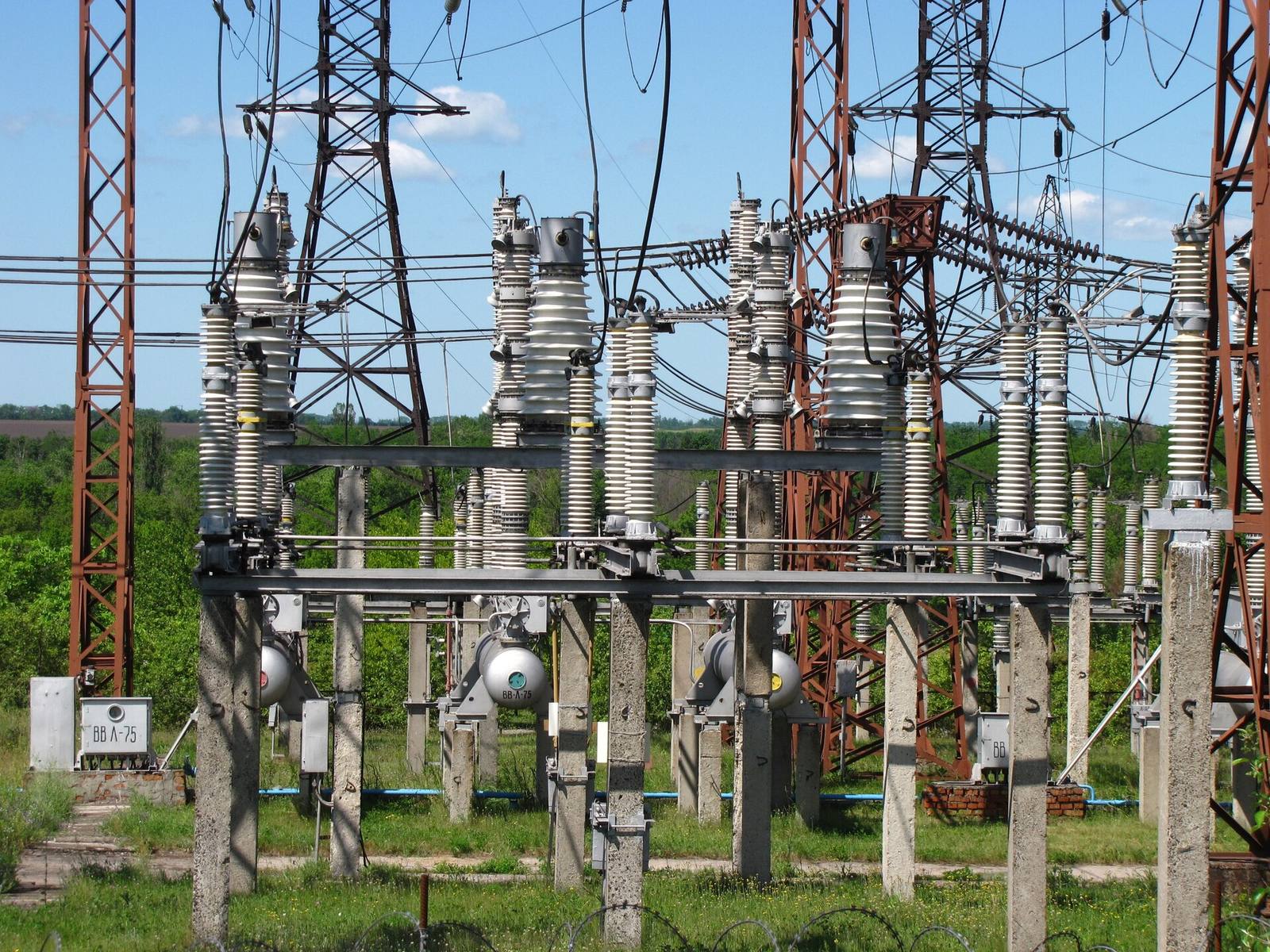
Instrument transformers range from compact current transformers inside control panels to substantial oil-filled units serving high-voltage metering and protection circuits. Their usefulness depends on more than physical size or voltage class. Ratio, accuracy, burden capability, insulation level and construction determine how each unit can be evaluated. If you are replacing switchgear or clearing equipment from a substation upgrade, organize the available CTs and PTs by nameplate information before treating them as one undifferentiated lot of electrical components.
We buy surplus and used instrument transformers from owners who need a practical assessment of equipment being retained, removed or disposed of. Working with an instrument transformer buyer starts with identifying exactly what is available, including quantities, condition and documentation. Texas Electrical Transformer Buyers reviews small panel devices as well as larger assemblies, with offers specific to the equipment and based on inspection. Tell us whether the units are loose, mounted in switchgear or still connected to primary conductors.
What we buy: current and voltage transformers
Current transformers may be window, bar-primary, wound-primary or bushing-type designs. Voltage transformers, also called potential transformers, can include dry-type indoor units and liquid-filled outdoor equipment. We consider individual units and organized lots, including equipment removed during switchgear replacements and substation upgrades. Separate conventional electromagnetic PTs from capacitor voltage transformers when listing a lot, because their construction and assessment differ. Photographs should show the complete device, its terminals, mounting arrangement and readable identification markings.
Manufacturers such as ABB, GE, Siemens and Westinghouse are commonly encountered in instrument-transformer equipment, but we review other makes as well. A manufacturer’s name does not replace the exact model and rating information. For mixed lots, identify whether matching units are available as sets and whether unused stock has original packaging. Distinguish removed service equipment from uninstalled spares, and flag any units with missing labels, damaged terminal covers or uncertain histories rather than grouping everything under one condition description.
- Window, bar and wound-primary CTs
- Indoor and outdoor PTs/VTs
- Bushing CTs and matched sets
- Labeled surplus and removal lots
| Typical capacity | Voltage class | Common applications |
|---|---|---|
| CTs and PTs | 0.6 kV to 765 kV | Metering and protective relaying |
Ranges are typical only. Send the nameplate for the actual ratings of your unit.
Ratios, accuracy classes and application details
For CTs, provide primary-to-secondary current ratio, rated secondary current, frequency and all available tap ratios. Many units use a 5 A or 1 A secondary, but the actual nameplate governs. Metering accuracy and protection performance describe different requirements, so include the complete accuracy designation and burden information. For relaying CTs, excitation characteristics and secondary winding resistance can be useful where available, especially when assessing equipment intended to reproduce fault current without excessive saturation.
For PTs or VTs, record the primary and secondary voltage ratings, ratio, insulation class and rated burden with its accuracy designation. Basic impulse insulation level, where specified, helps identify the insulation duty; it is not a substitute for the operating voltage rating. Connection requirements also matter, including grounded terminals and the intended phase-to-ground or phase-to-phase application. Drawings and test reports help clarify these details when a nameplate is incomplete or when several visually similar devices carry different ratings.
- CT ratios and secondary amperage
- Metering and relaying accuracy classes
- VT voltage ratings and burden
- Insulation level and terminal identification
How we inspect and value instrument transformers
We examine resin bodies, porcelain housings, terminal hardware and mounting features for damage that could affect insulation or installation. Cracking, tracking, contamination, loose terminals and broken mounting points deserve specific photographs. Liquid-filled units also require attention to seals, leaks, oil level indications and bushing condition. Existing ratio, polarity, insulation and accuracy test records strengthen the assessment when they identify the exact units tested, the methods used and the conditions under which results were obtained.
Electrical history is important because a CT exposed to an open secondary while primary current flowed may have experienced dangerous voltage and insulation stress. Fault exposure, overheating and suspected residual magnetization should also be disclosed. Value depends on usable ratings, documented accuracy, physical integrity, matching quantities and the work required to sort or recover the lot. Our offers are unit-specific and based on inspection; an intact appearance alone does not establish calibration, insulation condition or suitability for a particular protection scheme.
- Cracks, tracking and terminal damage
- Ratio, polarity and accuracy records
- Fault and open-secondary history
- Matching quantities and clear identification
Safe removal and lot documentation
Instrument-transformer removal should be planned by qualified electrical personnel familiar with the connected primary and secondary circuits. Never open an energized CT secondary; the circuit requires an approved shorting arrangement when the connected burden is removed. A PT secondary must not be short-circuited, and possible backfeed from test equipment or other connections must be addressed. These distinctions are critical during dismantling, even when the devices are small enough to be mistaken for routine panel accessories or passive fittings.
After safe isolation and removal, label each unit so its photographs, records and lot listing remain traceable. Record quantity by model and ratio, then protect bushings, resin surfaces and terminal blocks during handling. Large outdoor units may need documented weights, suitable lifting provisions and controlled liquid handling. For equipment still mounted in switchgear, explain whether the sale includes the surrounding assembly or only the instrument transformers. Accurate boundaries prevent confusion about dismantling labor, packaging requirements and the equipment actually available.
- Qualified isolation and circuit handling
- Model-by-model quantity lists
- Protected insulation and terminals
- Defined assembly and removal scope
Common questions
Do you buy mixed lots of CTs and PTs?
We can review mixed lots, but a simple itemized list is much more useful than a total piece count. Group units by manufacturer, model, ratio and condition. Include representative photographs plus images of exceptions or damage. Matching sets and legible ratings make it easier to assess the lot without assuming every device is identical.
Are CTs with different ratios evaluated separately?
Yes. Ratio, secondary current, accuracy class and burden capability distinguish one CT from another, even when housings look alike. Multi-ratio units should be listed with their available taps and terminal markings. Do not infer a ratio from physical dimensions or from another CT removed from the same switchgear lineup.
Can an instrument transformer be sold without calibration records?
You can submit it without those records, provided you identify what documentation is missing. We will review its ratings, visible condition and available service history, then determine what further inspection may be needed. A missing accuracy report adds uncertainty, particularly for metering applications, and should not be replaced with an unsupported claim of certification.
What should we disclose about a CT that had an open secondary?
Report whether primary current was flowing, how the event was discovered and whether any overheating, arcing or insulation damage was found. Send subsequent test results if available. An open-secondary event warrants technical review because potentially high secondary voltage can develop; the unit should not be described as unaffected solely because it looks normal.
How should removed outdoor instrument transformers be prepared for review?
Photograph the nameplates, housings, terminals, bases and any visible leaks before packaging. Provide dimensions, documented weights and liquid information where applicable. Keep accessories identified and prevent handling loads from being applied to fragile porcelain or terminals. Explain current storage conditions and any planned oil handling so inspection and transport requirements can be evaluated.
Reviewed by the Texas Electrical Transformer Buyers buying desk · Last updated November 13, 2026