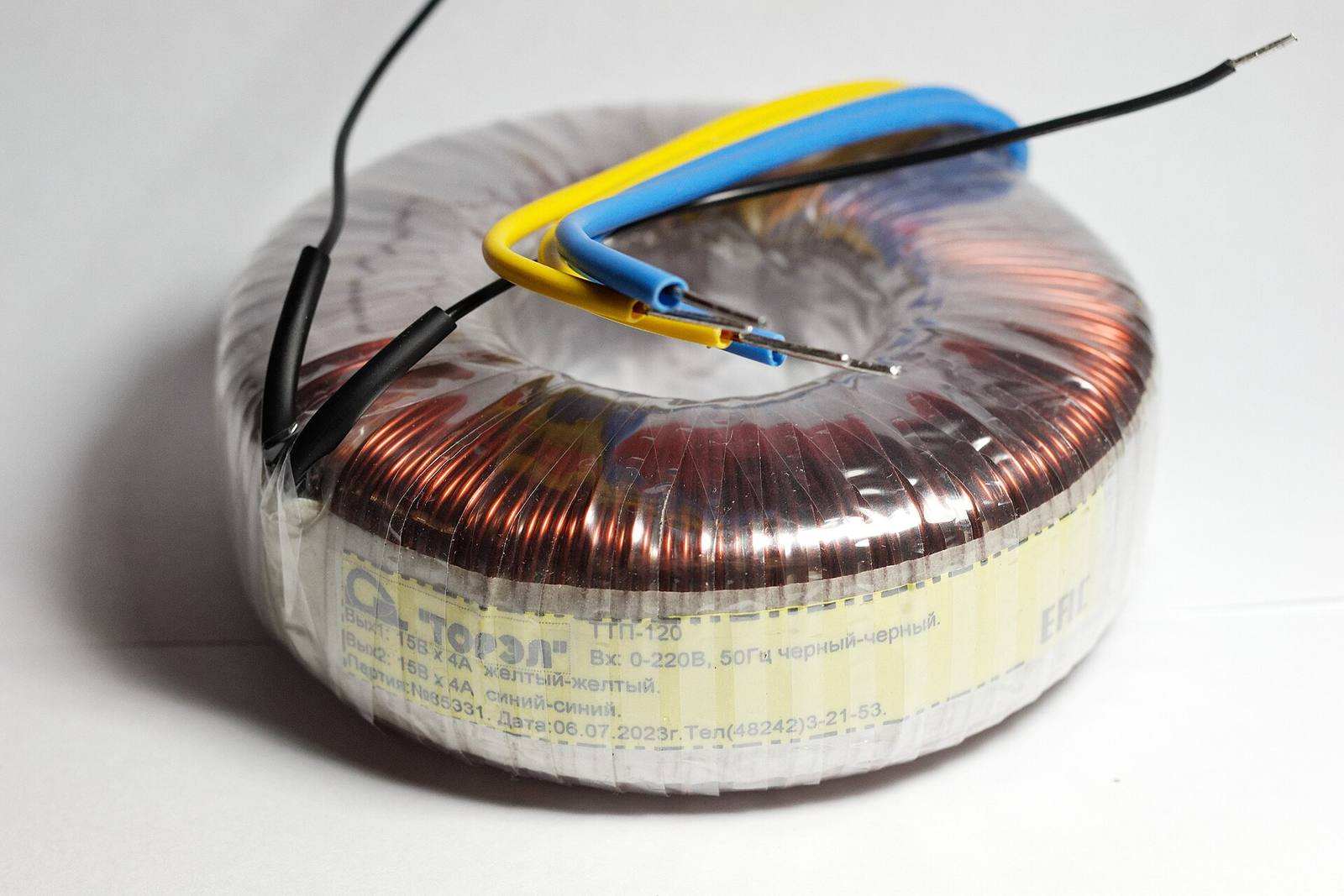
When you want to sell Hammond transformers, the winding ratings and construction matter more than cabinet appearance. Hammond Power Solutions is an Ontario-based manufacturer of dry-type and cast-resin transformers for industrial, commercial and specialty applications. Texas Electrical Transformer Buyers buys surplus and used units for cash, with a purchase review focused on identification, operating condition, completeness and removal requirements.
Hammond Dry-Type and Cast-Resin Equipment
We evaluate Hammond dry-type and cast-resin transformers made surplus by equipment changes, building renovations or discontinued operations. Include the actual product designation when describing a specialty unit. Its intended application can affect how the ratings should be understood, particularly when the transformer was selected for a particular load or installation rather than general facility power distribution across multiple circuits.
Describe whether the transformer is enclosed, open-style or part of a larger equipment assembly. An enclosure is not a reliable indicator of the winding construction inside it. If a unit is being removed from a cabinet or skid, identify what will remain with the transformer. Missing covers, terminal hardware or mounting parts should be disclosed before the purchase scope is discussed.
- Enclosed dry-type units
- Cast-resin transformers
- Specialty application equipment
- Unused project surplus
Identify Ratings, Construction and Terminals
Send a sharp nameplate photograph showing the Hammond identification, model or catalog number, serial number and kVA rating. Primary and secondary voltages, phase, frequency and tap positions are essential. Include insulation class, temperature rise and enclosure information where listed. These details help distinguish units that look alike but were designed for different electrical duties or installation conditions in service.
For cast-resin equipment, photograph accessible winding surfaces and any visible cracking or damage without touching or dismantling the assembly. For enclosed dry-type units, show ventilation openings, cabinet condition and accessible terminal markings. Interior photographs should only be taken by qualified personnel after safe isolation. Report dust accumulation, corrosion, missing barriers or signs of overheating rather than cleaning away evidence before documenting it.
- Model and serial number
- kVA and winding voltages
- Insulation and temperature data
- Winding and enclosure condition
Document Use, Testing and Storage
Useful records include specification sheets, wiring diagrams, commissioning reports and available electrical test results. Explain what the transformer supplied and why it is no longer needed. If it served a specialty application, include the original equipment documentation when available. A general statement that the unit worked is less informative than a clear operating history supported by records or maintenance notes.
Storage history also matters for dry-type equipment. Tell us whether the transformer remained indoors, was exposed to moisture or was moved without its enclosure. Provide dimensions, documented weight and photographs of the mounting arrangement. If the unit is above a ceiling, on a mezzanine or inside an equipment room, describe the access route and who will handle its disconnection.
- Wiring and specification sheets
- Available electrical tests
- Operating application
- Storage and access details
Factors Behind a Hammond Purchase Offer
The evaluation considers capacity, voltage combination, construction and the condition of both windings and enclosure. Burned insulation, cracked resin, moisture exposure or altered terminals require specific attention. A transformer with complete identification and credible service records is easier to assess than one with an unreadable plate. No single rating or brand marking establishes an offer by itself during our review.
We also consider whether the equipment is complete and practical to remove without further damage. Keep matched components together, and identify any modifications made during service. Texas Electrical Transformer Buyers is an independent purchaser with no claimed Hammond authorization or partnership. Offers are specific to the equipment and based on inspection, not on a standard amount for every Hammond transformer.
- Winding construction
- Electrical suitability
- Damage and modifications
- Removal practicality
Common questions
Do cast-resin Hammond transformers need different photographs?
Yes. In addition to the nameplate and overall assembly, include safe views of accessible resin surfaces, supports and connection points. Visible cracks, chips or tracking should be documented rather than concealed. Do not dismantle the transformer to obtain pictures. Available test records and a clear account of storage or service conditions help put the photographs in context.
Can I sell a Hammond transformer that was part of a machine?
We can review it, but identify the exact transformer and what will be included after removal. Send its own nameplate rather than only the machine label. Provide wiring information, voltage ratings and the original application if known. Custom connections, missing mounting parts or modifications may affect the assessment, so describe those details at the start.
Does surface rust on the enclosure rule out a purchase?
Not necessarily. Enclosure rust and winding condition are different issues, and both need to be evaluated. Show the affected areas, ventilation openings and any evidence of water entry. Explain whether the unit was stored indoors or outside. Inspection determines how the condition affects a unit-specific offer; photographs alone do not establish that the transformer is electrically sound.
Reviewed by the Texas Electrical Transformer Buyers buying desk · Last updated November 13, 2026