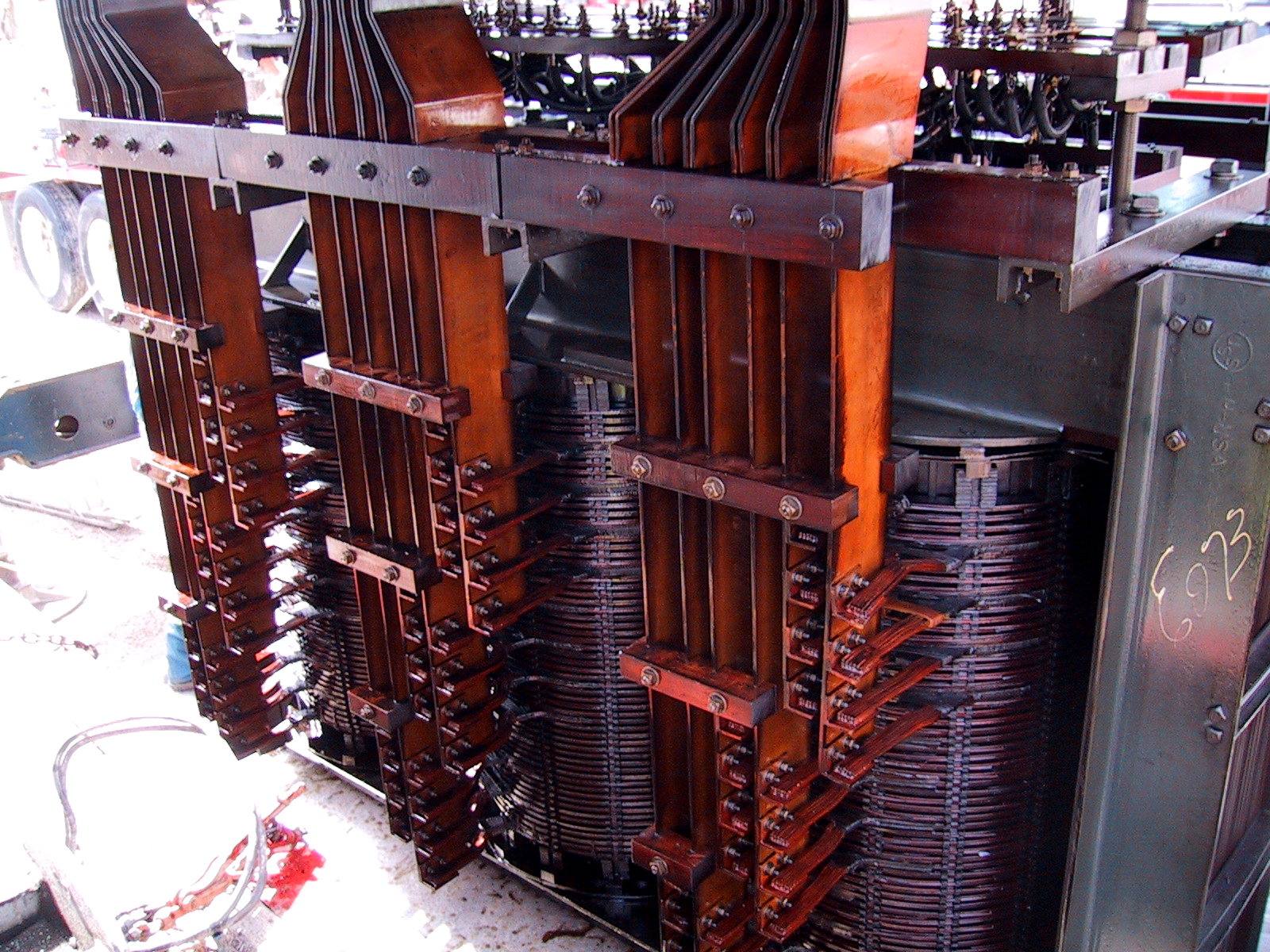
The copper vs aluminum transformer windings question matters when you sell, but it does not determine an offer by itself. A copper-wound transformer with damaged insulation can have less resale potential than an aluminum-wound unit with documented service history and useful ratings. For an owner clearing surplus equipment, the first task is to separate operating-equipment value from material recovery value. Those are different evaluations, and winding metal affects each differently.
Winding metal matters differently for reuse and recovery
Copper has higher electrical conductivity than aluminum, so a comparable aluminum winding generally needs a larger conductor cross-section. That difference affects transformer design, but it does not establish which finished unit performs better. Manufacturers account for conductor material through winding geometry, insulation, cooling and connections. When evaluating a complete transformer for reuse, we look at its rated capability and documented condition rather than treating copper as an automatic quality grade.
Material recovery is a different calculation. Copper and aluminum have different recovery values, and the recoverable quantity is not the same as the transformer's shipping weight. The enclosure, core steel, fluid and accessories all contribute weight without establishing winding content. Opening or dismantling a complete unit merely to prove its metal can destroy reuse potential. Keep it intact while we determine which evaluation path makes sense.
- Separate reuse from material recovery.
- Do not equate weight with copper.
- Preserve the complete assembly.
- Verify metal through reliable records.
Useful ratings can outweigh a copper preference
Consider two surplus transformers: one copper-wound unit with an unusual voltage combination and one aluminum-wound unit with ratings that fit a practical application. The second may have stronger reuse prospects even though its winding metal carries a different recovery value. Capacity, primary and secondary voltages, phase, frequency, impedance and connection arrangement determine whether equipment can serve another installation. None of those requirements disappears because a winding contains copper.
Physical configuration also affects evaluation. A dry-type transformer designed for an indoor electrical room presents different handling and application questions than an outdoor liquid-filled unit. Dimensions, enclosure condition, terminal access and cooling arrangement can matter as much as conductor material. Send the nameplate and overall photographs together so we can assess the unit as equipment rather than drawing conclusions from a single specification.
- Show both voltage ratings.
- Include kVA and phase.
- Photograph terminals and enclosure.
- Provide dimensions and location.
Condition evidence is stronger than assumptions
Connection condition deserves attention with either winding material. Aluminum connections require suitable design and installation practices, but copper connections can also overheat when loose, contaminated or improperly assembled. A photograph of discoloration does not establish the cause, and clean exterior paint does not establish internal health. Available maintenance records, electrical test results and operating history give us a better basis for deciding whether further inspection is warranted.
Avoid guessing at winding composition when the nameplate does not identify it. Manufacturer documentation, drawings or an established equipment record may provide the answer without invasive work. If those records are missing, say the material is unconfirmed. Also distinguish between an actual winding conductor and visible leads or bus connections; their appearance does not necessarily identify every internal conductor. Accurate uncertainty is more useful than an unsupported copper claim.
- Submit existing test reports.
- Disclose overheating or fault events.
- Label uncertain details clearly.
- Do not cut into windings.
Build the sale around the whole removal job
Removal costs can change the economics of a transformer sale regardless of winding metal. A disconnected unit beside an accessible loading area is different from equipment behind walls or above an occupied production floor. Rigging access, lifting provisions, fluid handling and transport preparation all affect the transaction. Tell us whether the transformer remains energized, whether cables are disconnected and who controls the removal work before treating any preliminary evaluation as complete.
The practical takeaway is to present a complete, verifiable equipment package rather than lead with metal alone. Gather nameplate images, maintenance records, winding documentation if available, and photographs of the removal route. Texas Electrical Transformer Buyers buys surplus and used transformers for cash; offers are unit-specific and based on inspection. An intact transformer with clear information gives us more to evaluate than a partly dismantled unit described only as copper.
- Document electrical status.
- Explain loading access.
- Identify removal responsibilities.
- Request evaluation before dismantling.
Common questions
Can I identify copper or aluminum windings from the nameplate?
Sometimes, but not every transformer nameplate lists conductor material. Start with manufacturer drawings, specification sheets or maintenance records tied to the unit's serial number. Visible terminals may not represent the internal winding material. Send what you have and identify any uncertainty; do not open a sealed tank or damage insulation merely to confirm the metal.
Is an aluminum-wound transformer worth selling intact?
Yes, it can be worth evaluating as complete equipment. Aluminum windings do not automatically rule out reuse. Ratings, condition, configuration, documentation and removal requirements all contribute to the assessment. We compare the unit's equipment potential with its recovery considerations, and any offer is specific to that transformer and based on inspection.
Reviewed by the Texas Electrical Transformer Buyers buying desk · Last updated November 13, 2026