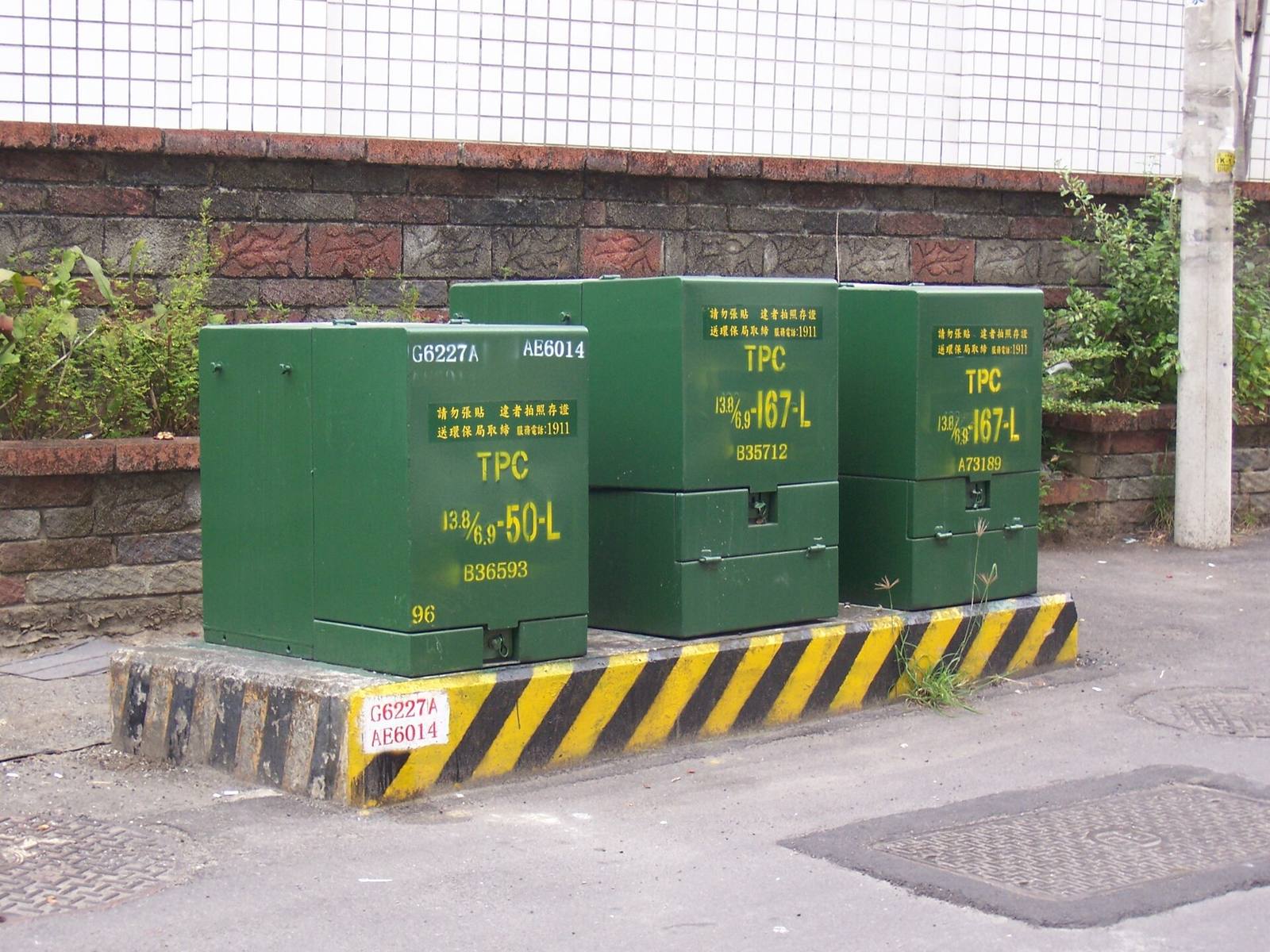
Owners looking to sell Howard transformers should identify the exact ratings before planning a sale. Howard Industries, based in Laurel, Mississippi, manufactures distribution, pad-mounted and substation transformers widely used by utilities and co-ops. Texas Electrical Transformer Buyers purchases used and surplus equipment for cash, reviewing each unit according to its configuration, condition, supporting records and the practical requirements of removal.
Howard Transformer Types We Buy
We review Howard distribution transformers, pad-mounted units and substation transformers that an owner no longer needs. Equipment may be surplus to a project, replaced during an upgrade or retired from operating service. Identify the category of each unit at the outset. A compact distribution transformer and a larger substation unit have different electrical specifications, handling needs and documentation requirements.
For multiple transformers, separate the equipment by rating and condition rather than describing the lot as identical. Similar enclosures can contain different voltage combinations or connection arrangements. Specify which units are unused, which have operated and which have known defects. If accessories or loose components are included, match them to the appropriate transformer wherever records or identification markings allow.
- Distribution transformers
- Pad-mounted units
- Substation equipment
- Documented surplus lots
Capture the Howard Nameplate and Connections
The nameplate should establish the manufacturer, serial number, capacity and primary and secondary voltage ratings. Record phase, frequency, impedance, taps and connection information when available. For larger equipment, include all relevant rating plates rather than only the most prominent label. Different cooling ratings or accessory plates may provide information that a single overview photograph cannot reliably convey alone.
Photographs should also show the cabinet or tank, connection areas and overall condition. Note damaged bushings, missing doors, broken gauges or disconnected accessories. Where terminal markings are visible safely, photograph them without disturbing the equipment. Do not infer a transformer's connection arrangement from the facility voltage; the actual plate and terminal identification are the basis for evaluating its configuration.
- Manufacturer and serial
- Capacity and voltage
- Tap and connection data
- Exterior condition photos
Records That Support a Purchase Review
Provide factory paperwork, commissioning results and recent maintenance or test records if they are available. For oil-filled units, dated fluid reports and any applicable PCB documentation help clarify condition and handling considerations. Explain the reason for removal, including whether the transformer was replaced for capacity, disconnected during a closure or taken out of service following an electrical problem.
Substation equipment may require additional planning because of its weight, dimensions and installed arrangement. Share documented shipping weight, outline drawings and photographs of the route between the transformer and the loading area. Identify containment, fencing or nearby structures that could affect access. Describe whether the equipment is disconnected, ready to load or still awaiting work by the owner's electrical contractor.
- Factory documentation
- Maintenance and fluid reports
- Weight and outline drawings
- Disconnection and access status
How We Assess Howard Equipment
Howard purchase offers are unit-specific and based on inspection. Electrical ratings, service condition and completeness influence the review, as do usable documentation and handling requirements. A transformer removed while operating is not automatically equivalent to an unused spare. Likewise, unused equipment stored outdoors may have corrosion, moisture exposure or missing parts that need to be checked before an offer.
Accurate disclosures help establish what is actually being offered. Report faults, repairs, oil leaks and extended storage without trying to determine their financial effect yourself. We assess the equipment as an independent buyer, not as an authorized Howard representative or partner. The manufacturer name identifies the unit, but it does not replace inspection or establish a fixed purchase value.
- Ratings and configuration
- Service and storage condition
- Known defects
- Handling requirements
Common questions
Can you review a Howard substation transformer without complete drawings?
You can begin with readable nameplate photographs, overall images and the information you have. Tell us which drawings are missing rather than estimating dimensions or weight without a basis. Larger equipment may need additional verification before handling or purchase decisions can be made. Available outline drawings, test records and accessory lists make that review more useful.
Are unused Howard transformers automatically worth more than used units?
Unused status is one factor, not a guaranteed valuation. We also consider ratings, storage conditions, component completeness and inspection findings. An unused unit with damaged bushings or moisture exposure needs a different assessment than a properly documented spare. Explain when and how it was stored, and provide purchase or factory records if those records are available.
What should I report if a Howard transformer failed in service?
Describe the observed failure and provide any investigation or test results. Identify leaks, overheating, protective-device operation or visible damage without claiming a cause that has not been established. State whether the unit remains connected and whether any parts or fluid have been removed. Faulted equipment requires an individual review, and submission does not guarantee purchase.
Reviewed by the Texas Electrical Transformer Buyers buying desk · Last updated November 13, 2026