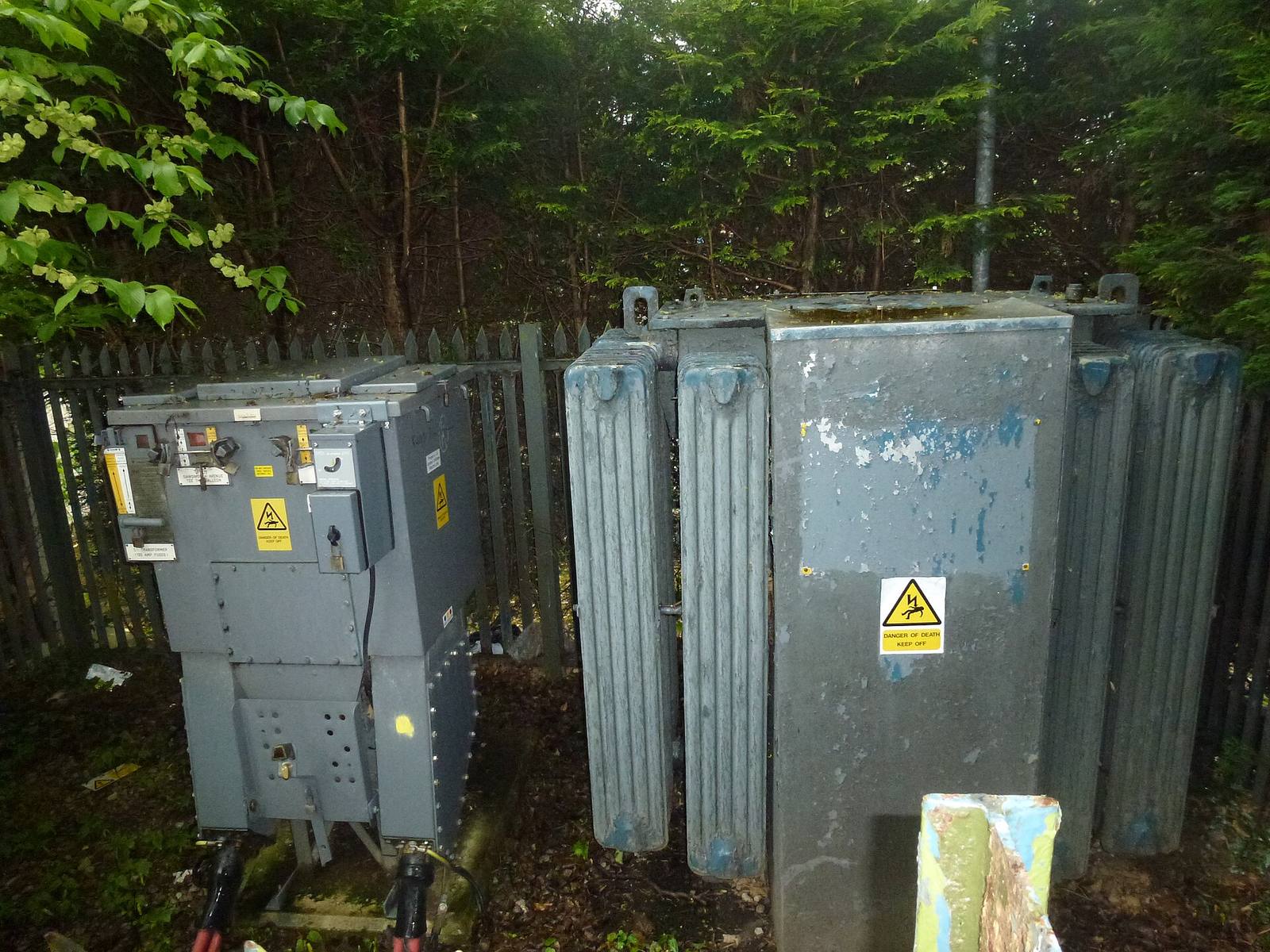
If you are researching used transformer prices Texas owners can expect in 2026, start with the equipment rather than a statewide average. Two transformers with the same kVA rating can receive different offers because their voltages, condition, documentation, and removal requirements differ. Texas Electrical Transformer Buyers buys surplus and used transformers for cash. Our offers are unit-specific and based on inspection, not a published price schedule that ignores the work required to acquire each unit.
Electrical fit matters more than a broad market average
A transformer’s rating establishes what it can do, but usefulness depends on the complete electrical configuration. A 1,000 kVA unit with a familiar primary and secondary voltage combination may be easier to evaluate for reuse than an equally large unit built for an unusual application. Phase, frequency, impedance, winding connections, and available taps all matter. None of these details should be reduced to a simple dollars-per-kVA calculation.
For a seller, the practical tradeoff is between a quick description and a complete equipment package. Reporting only capacity leaves major questions unanswered and can limit confidence in an initial assessment. Send a readable nameplate photograph, overall pictures, and any available drawings. Identify whether the transformer is liquid-filled or dry-type, and disclose custom features. A specialized unit is not automatically worthless, but its application needs closer examination before an offer can be established.
- Rated kVA and cooling class
- Primary and secondary voltages
- Phase, frequency, and impedance
- Tap range and winding connections
Condition records reduce uncertainty, not inspection requirements
Age is useful background, but it does not establish present condition by itself. A transformer removed after a planned upgrade presents different questions from one disconnected after a protective trip. Maintenance records, operating history, and test reports help explain that difference. Depending on the unit, relevant evidence may include insulation resistance, winding resistance, turns ratio, and oil analysis. Results need dates, test conditions, and clear identification of the equipment tested.
Appearance also has limits. Fresh paint does not prove healthy insulation, and surface rust does not necessarily mean the active components have failed. Report leaks, damaged bushings, missing accessories, overheating, and known faults directly. For liquid-filled equipment, provide any available fluid identification and PCB documentation rather than assuming status from appearance or age. Honest disclosure helps distinguish a candidate for reuse from equipment requiring a different evaluation, while inspection remains necessary.
- Reason for removal
- Dated electrical test reports
- Oil and PCB documentation
- Known damage or missing parts
Removal and transportation affect the acquisition economics
A transformer sitting on an accessible loading pad is a different acquisition from a similar unit inside an operating electrical room. Weight, dimensions, door clearances, lifting provisions, and truck access influence handling requirements. Liquid-filled equipment may also require attention to fluid containment and transport preparation. These factors affect the economics of an offer because the buyer must consider the equipment together with the work needed to move it safely.
Compare proposals against the same removal scope rather than looking only at the cash figure. Establish who handles electrical isolation, disconnection, rigging, loading, and any site restoration. A higher offer may be less attractive if it leaves substantial contractor costs with the seller. Do not assume removal is included unless that responsibility is documented. Keep equipment untouched until qualified personnel have confirmed the isolation procedure and the parties have agreed on the handling plan.
- Approximate weight and dimensions
- Access and clearance restrictions
- Rigging and loading responsibilities
- Disconnection and restoration scope
Prepare a unit-specific offer request for 2026
The calendar year does not provide a reliable multiplier for every transformer. Demand can differ by voltage configuration, construction, condition, and the requirements of potential reuse. Without current, comparable transactions and matching removal terms, a broad market figure can mislead a seller. Treat online estimates as context, not a commitment. The useful question is what a buyer can offer for your particular unit after reviewing its specifications and inspecting its condition.
Build one clear submission instead of sending scattered details over several conversations. Include the nameplate, photographs of all sides, operating status, maintenance records, location, and removal constraints. State whether your priority is clearing space, meeting a shutdown schedule, or disposing of equipment already disconnected. We use that information to evaluate a purchase; final offers remain unit-specific and inspection-based. Your strongest next step is a complete equipment record with an explicitly defined removal scope.
- Group photographs by individual unit
- Identify current operating status
- Describe site access accurately
- Request written scope clarification
Common questions
Can I get an offer using only the transformer’s kVA rating?
The kVA rating is a starting point, not enough information for a dependable purchase offer. Provide primary and secondary voltages, phase, construction type, nameplate photographs, and condition details. Access and removal requirements also matter. We can review the information you have, but offers are specific to the unit and based on inspection rather than capacity alone.
Should I repair a leaking transformer before offering it for sale?
Do not authorize repairs solely on the assumption that the expense will increase the offer by an equal amount. Document the leak location, severity, fluid type if known, and any related operating problems. Necessary safety and containment measures should follow your site procedures. Discuss the unit’s condition with the buyer before making discretionary repairs, since repair costs may not be recoverable through the sale.
Reviewed by the Texas Electrical Transformer Buyers buying desk · Last updated November 13, 2026