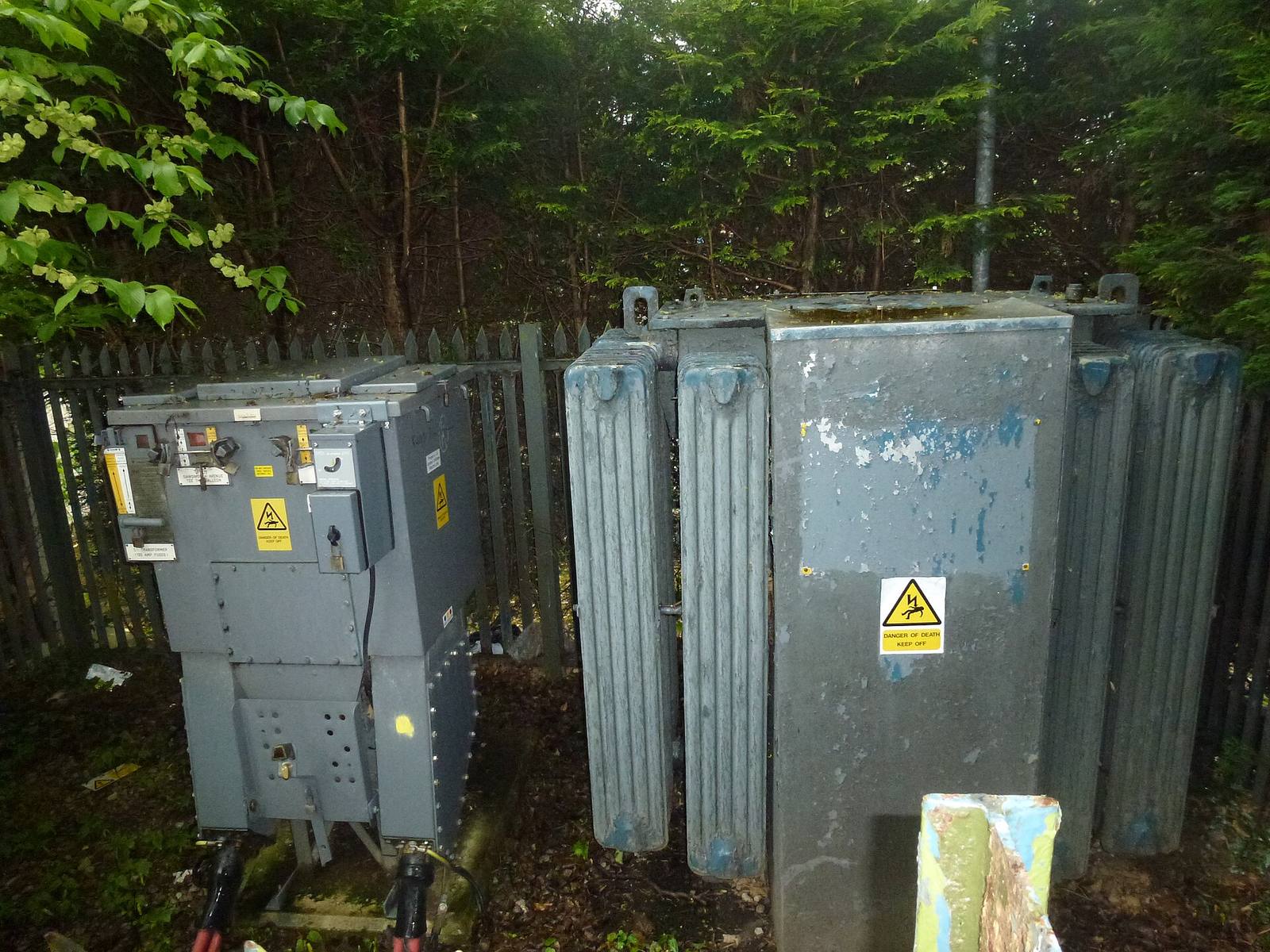
When a facility replaces its main transformer or changes distribution voltage, the outgoing equipment may still have value beyond its original installation. Texas Electrical Transformer Buyers buys used and surplus step-down transformers from industrial substations, campus distribution systems and utility service entrances. We assess the transformer’s ratings, construction and condition along with the practical requirements for removing it. The goal is to evaluate the actual asset you own, not assume that every retired unit belongs in scrap.
A step down transformer buyer needs to know both the incoming system voltage and the utilization voltage supplied to your loads. Capacity alone does not establish suitability, especially where grounding, impedance or secondary terminal arrangements differ. Start with the nameplate, photographs and the reason for replacement. Let us know whether the equipment remains in service, is isolated in place or has been moved to storage. Purchase offers depend on unit-specific inspection findings and the agreed removal scope.
What we buy
We evaluate step-down power and distribution transformers used to reduce transmission or distribution voltage to plant or building distribution levels. Examples include main substation units feeding medium-voltage systems and transformers supplying utilization voltages such as 480Y/277 V or 208Y/120 V. Provide the exact primary and secondary ratings rather than describing the unit only as high voltage or low voltage. Include phase count, frequency, capacity, impedance and every available tap position from the nameplate or supporting documentation.
Both liquid-filled and dry-type construction may be considered, with the enclosure and connection arrangement clearly identified. Tell us whether the transformer is pad-mounted, part of a unit substation, connected to switchgear or installed as a standalone assembly. Manufacturers such as Eaton, Schneider Electric, ABB and GE have produced equipment in these categories, but name recognition is not a condition assessment. Clarify which switchgear sections, transition chambers, fans, temperature devices and terminal components are included in your proposed sale.
- Industrial main substation transformers
- Campus and service-entrance distribution units
- Liquid-filled and dry-type construction
- Standalone and unit-substation arrangements
| Typical capacity | Voltage class | Common applications |
|---|---|---|
| 15 kVA to 100 MVA | 2.4 kV to 345 kV | Plant and building service entrances |
Ranges are typical only. Send the nameplate for the actual ratings of your unit.
How we inspect and value
We verify the voltage ratio, winding connections, impedance and grounding provisions before assessing reuse potential. A grounded-wye secondary needs an identifiable neutral connection, while a delta secondary presents different application requirements. Tap settings and available adjustment range matter where the receiving installation must accommodate its supply voltage. We also review insulation ratings, temperature rise and cooling capacity. For unit-substation equipment, terminal orientation and bus interfaces can be important because mechanical compatibility may limit otherwise suitable electrical ratings.
Inspection follows the construction type. On liquid-filled equipment, we examine leakage, tank corrosion, bushings and available fluid tests. On dry-type units, we look for contamination, damaged insulation, overheating evidence, winding support issues and enclosure deterioration. Turns-ratio, winding resistance and insulation test reports help establish condition where available. Value depends on verified specifications, service history, completeness and removal feasibility. Missing secondary terminals or an undocumented fault can affect an offer just as materially as the transformer’s nominal kVA or MVA capacity.
- Secondary grounding and neutral connections
- Tap settings and voltage adjustment range
- Construction-specific condition checks
- Bus interfaces and terminal completeness
Load history, damage and supporting records
Explain how the transformer was used and why it is being replaced. Continuous plant loading, motor starting and nonlinear loads can impose different stresses, so maintenance history is more informative than a general statement that the unit worked. Report recurring temperature alarms, unusual noise, protective trips or known overloads. Secondary faults can subject windings to substantial mechanical forces, and damaged supports or shifted windings may not be obvious from photographs. Any fault-related retirement should be identified at the beginning of the review.
For dry-type equipment, provide cleaning records, insulation test results and information about exposure to water, conductive dust or corrosive atmospheres. For liquid-filled units, include oil reports and records of gasket repairs, bushing replacements or fluid processing. Factory test reports, wiring diagrams and commissioning records are useful for either construction. If the transformer was paired with protective equipment, distinguish transformer test findings from switchgear or breaker maintenance. We need records that describe the condition of the asset being offered.
- Replacement reason and historical loading
- Fault, overload and alarm disclosures
- Moisture or contamination exposure
- Factory, commissioning and maintenance records
Separating the transformer from the installation
Removal planning starts with the transformer’s boundaries within the electrical system. A unit-substation transformer may connect directly to primary switching equipment and secondary switchgear through flanged transitions or buswork. Identify what belongs to the transformer and what must remain at the facility. Provide overall dimensions, weight, doorway clearances and access conditions. Indoor removals can require attention to floor capacity, rigging routes and ventilation equipment, while outdoor units may present foundation, containment or crane-access issues that affect recovery costs.
Keep the equipment intact until qualified personnel have established the isolation and handling plan. Both primary and secondary circuits need review because alternate supplies or interconnected systems can create backfeed hazards. Photograph terminal arrangements before disconnection, retain neutral links and connection hardware, and label removed accessories. Tell us whether your contractor will disconnect and load the unit or whether those responsibilities remain to be defined. Clear documentation of the physical scope supports a more accurate evaluation without assuming work has already been completed.
- Transformer and switchgear ownership boundaries
- Doorway, rigging and crane clearances
- Primary and secondary isolation status
- Retained connection hardware and accessories
Common questions
Do you buy transformers that supply 480 V plant loads?
We consider step-down units supplying 480 V systems, including configurations with a 480Y/277 V secondary. Provide the full primary rating, secondary connection, capacity and impedance. A neutral terminal, tap arrangement and terminal layout can affect suitability for another installation. Include the complete nameplate rather than listing only the utilization voltage or the loads the transformer previously served.
Can I sell only the transformer from a unit substation?
You can submit the transformer separately for evaluation, but identify the separation points and included components. Bus transitions, connection chambers and enclosure panels may be shared with adjoining equipment or necessary for a complete installation. Photographs and arrangement drawings help define the sale accurately. Do not dismantle shared assemblies before ownership boundaries and removal responsibilities are established.
Are dry-type step-down transformers evaluated differently from oil-filled units?
Yes. Dry-type inspection emphasizes winding insulation, contamination, moisture exposure, supports, ventilation and evidence of overheating. Liquid-filled inspection also includes tank integrity, fluid condition and leakage. Both require verification of ratings and available electrical tests. Construction changes the inspection process and handling requirements, but neither type receives an offer based on capacity alone.
Will missing test records prevent a purchase review?
Not necessarily. Start with clear nameplate photographs, an honest condition description and the reason the unit was removed. Explain which tests or maintenance records are unavailable. We can assess the information provided and identify unresolved questions. Missing documentation may increase inspection needs or uncertainty, so it should not be replaced with unsupported claims that the transformer is ready for service.
What if the transformer is still powering the facility?
An installed, energized unit can be discussed before a planned shutdown, but do not access energized compartments to collect information. Use existing records and photographs that can be obtained safely. Tell us the anticipated availability and who will perform isolation and disconnection. Any purchase review must distinguish its current operating status from the condition and removal scope expected when it becomes available.
Reviewed by the Texas Electrical Transformer Buyers buying desk · Last updated November 13, 2026