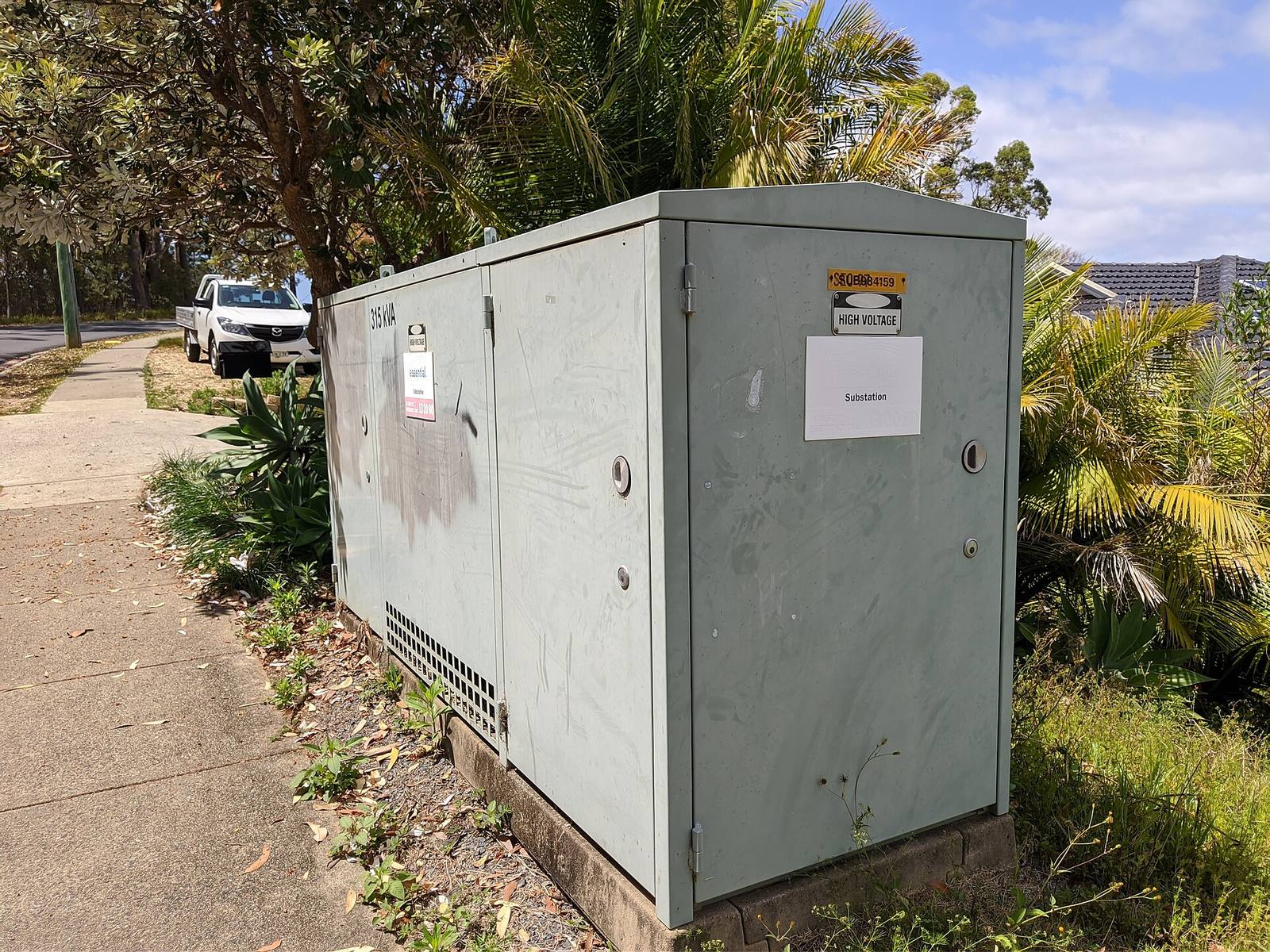
A transformer replacement in a healthcare facility must be managed around patient care, essential services and restricted work areas. Surplus equipment may be available only after a renovation phase is accepted and the replacement electrical arrangement is established. Texas Electrical Transformer Buyers serves as a hospital transformer buyer for facility managers and contractors selling used or surplus units. We evaluate the specific equipment and discuss pickup after authorized personnel confirm ownership, safe disconnection and a workable removal route.
Locate Surplus Across the Medical Campus
Hospitals, surgical centers and medical campuses can have pad-mounted transformers outside service buildings and smaller transformers within electrical or support spaces. Isolation transformers may serve specialized applications, while other units support general distribution. Redundant service and emergency generators complicate the question of whether equipment is truly retired. Identify the unit's former purpose and have the responsible electrical team confirm that it is not still needed for normal service, emergency arrangements or a retained backup function.
Renovations, equipment replacements and changes to occupied space can leave transformers that no longer fit the facility's distribution plan. Some units remain installed pending later construction phases; others are disconnected and stored by a contractor. Explain where each transformer sits and why it became surplus. Distinguish a planned retirement from a failure-related replacement, and disclose known damage, unusual noise, overheating or protective-device events rather than describing every removed unit simply as working equipment.
- Outdoor pad-mounted units
- Indoor distribution transformers
- Application-specific isolation equipment
- Surplus from phased renovations
Gather Equipment Details and Disposal Approval
Photograph the nameplate closely enough to read the rating, voltage, phase, manufacturer and serial number. Include the complete enclosure and any accessible signs of wear or damage. For specialized isolation equipment, provide the stated application and available manufacturer documentation so it is not confused with a general-purpose distribution transformer. Maintenance records, test reports and the reason for replacement help establish the evaluation scope, although an offer remains unit-specific and based on inspection.
Healthcare projects may involve an owner, facility operator, construction manager and electrical subcontractor with different responsibilities. Confirm who owns the removed equipment and who can approve its sale before arranging a handoff. Keep disposal authorization distinct from permission to perform electrical work. For liquid-filled transformers, supply available fluid identification and relevant environmental records. Facility safety and compliance personnel should determine applicable handling requirements, especially if leakage, uncertain fluid history or damaged containment is involved.
- Legible equipment identification
- Specialized application documentation
- Replacement and maintenance history
- Confirmed owner authorization
Protect Essential Services During Disconnection
The sale should follow the facility's electrical work plan, not drive it. Qualified personnel must determine the correct isolation points, apply required lockout/tagout procedures and verify safe conditions before disconnecting the transformer. A redundant feed is not automatically unnecessary, and the presence of an emergency generator does not establish that a removal is safe. Keep decisions about patient-care continuity and electrical system readiness with the healthcare facility's responsible staff and electrical professionals.
Discuss the physical removal sequence with the project team as well. A transformer in a support room may require movement through areas subject to access, cleanliness or construction separation rules. Outdoor loading can also conflict with deliveries, emergency vehicle routes or maintenance access. Identify the permitted travel path, doorway clearances and staging location before moving equipment. Where facility rules call for barriers, escorts or controlled work periods, incorporate those requirements into the contractor's removal plan.
- Facility-approved electrical work
- Essential-service coordination
- Controlled equipment travel paths
- Unobstructed emergency access
Arrange Pickup Around Clinical and Construction Activity
A suitable pickup window depends on more than the contractor's availability. Hospital receiving areas, service roads and loading docks may support daily operations that cannot be displaced without approval. Establish the permitted arrival point and identify the staff member authorized to release the transformer. Tell us whether the unit will be staged outside, held in a construction area or collected from another approved location after your contractor completes the necessary internal movement.
Renovation schedules can shift when replacement equipment, inspections or occupied-space work are delayed. Treat the release date as a confirmed milestone only when the facility agrees the old unit is ready to leave. Provide updated condition photographs if storage or handling changes the equipment after initial evaluation. Clear communication about readiness, site rules and loading responsibility allows purchase and transportation discussions to proceed without making promises about price, response time or disruption to patient care.
- Approved receiving or loading location
- Named equipment release contact
- Clinical activity considerations
- Updated readiness and condition details
Common questions
Can an isolation transformer be submitted for purchase?
Yes, you can submit it for evaluation. Include the full nameplate, intended application and available manufacturer information, because isolation transformers can differ substantially in design and use. Describe whether it is a standalone unit or part of a larger assembly. Purchase suitability and any offer depend on the specific equipment and inspection, not the isolation designation alone.
Who should authorize a sale during a hospital renovation?
The equipment owner or a properly authorized representative must approve the sale. An electrical contractor's responsibility for removal does not necessarily include ownership or disposal authority. Confirm the applicable arrangement with the hospital's facilities or project team, and document which units are included. Resolve ownership questions before the transformer is transferred or a pickup is scheduled.
Can pickup take place while the hospital remains open?
An operating facility may permit pickup if its staff approve the timing, access route and loading area. The transformer must first be safely released and disconnected by qualified personnel. Explain restrictions involving occupied areas, deliveries, emergency routes and contractor access. Pickup planning should follow those requirements rather than assume that an active hospital must close or that unrestricted access is available.
What if a transformer is part of redundant service?
Have the responsible facility and electrical personnel determine whether that transformer can actually be retired. Redundancy is an operational function, not proof that equipment is surplus. You may provide details for preliminary evaluation, but removal must wait until the unit is formally released under the facility's electrical plan. We do not determine the hospital's required service configuration.
Reviewed by the Texas Electrical Transformer Buyers buying desk · Last updated November 13, 2026