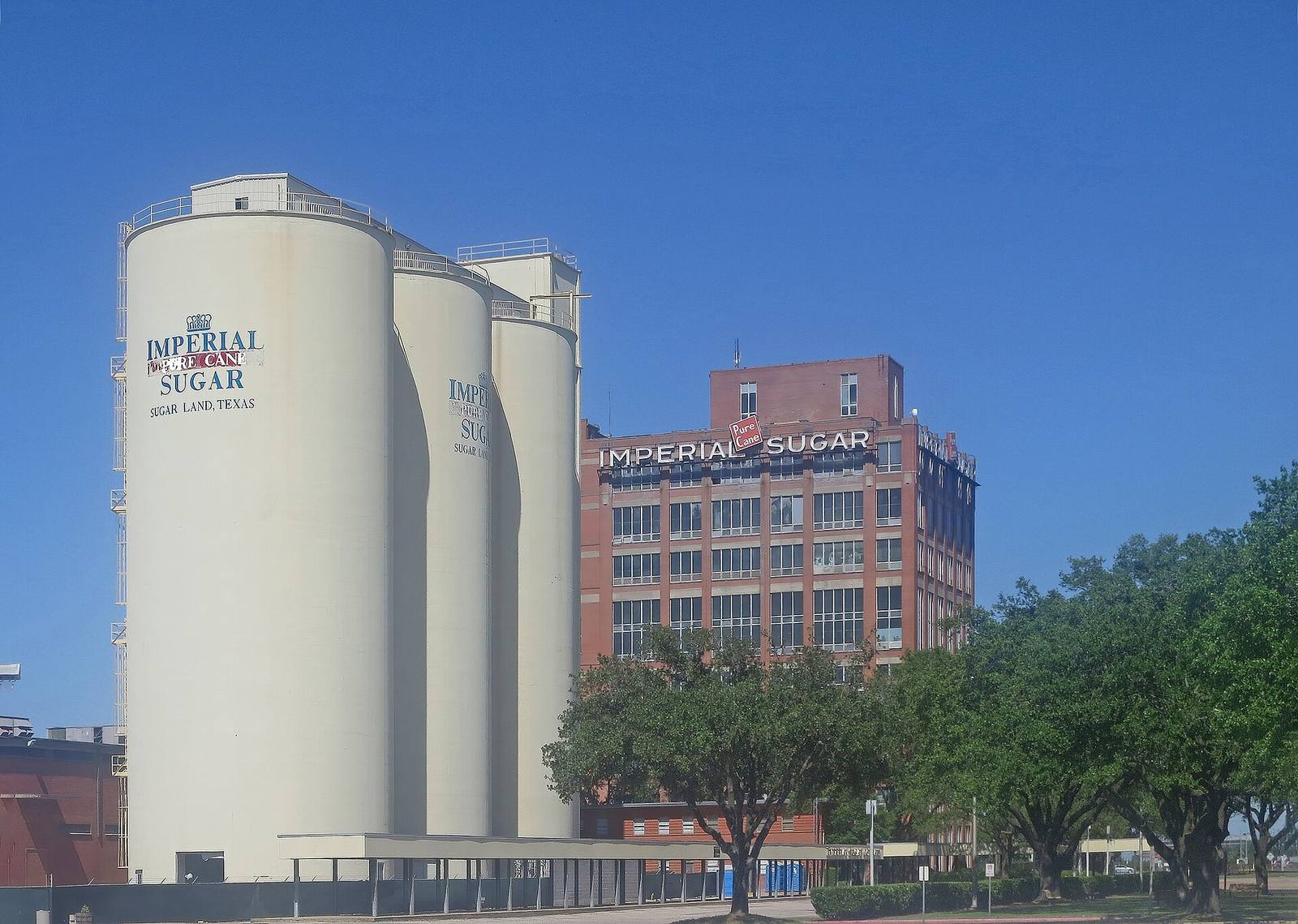
Food processing plants run heavy electrical loads in an environment that punishes equipment. Refrigeration compressors, process lines, packaging equipment, boilers and wastewater systems all depend on transformers that may sit indoors, on a roof, or behind a washdown wall. When a line changes, a plant expands or a facility closes, those units become surplus. Texas Electrical Transformer Buyers purchases them directly from owners and authorized contractors.
We evaluate the transformer, not just the building type. A washdown-duty enclosure in a meat plant has different corrosion and moisture risks than a dry-type unit in a bakery office area. A refrigeration substation carrying continuous compressor load has a different history than a spare that never entered service. The review starts with the nameplate and the service conditions.
Where transformers sit in a food plant
Most food plants have a main service transformer or an incoming utility transformer, then distribution transformers feeding refrigeration, process, packaging, boiler and utility areas. Meat and dairy operations often have washdown rooms where enclosures, conduits and connections are exposed to moisture and sanitation chemicals. Bakeries and beverage plants may run dry-type units indoors near production floors. Grain and ingredient operations may have outdoor pad-mounted equipment serving conveyors, dryers and storage.
Refrigeration is usually the largest continuous load. Ammonia or synthetic refrigerant compressor rooms, condensers and evaporators depend on stable voltage, and a transformer sized for an older refrigeration package may not match a replacement. Process lines add motors, drives and heating loads. Packaging adds conveyors, case packers, palletizers and labelers. Each area can produce a surplus unit when equipment is replaced or a line is reconfigured.
- Main service and plant distribution
- Refrigeration compressor rooms
- Process, packaging and boiler loads
- Washdown and outdoor pad locations
Surplus situations in food and beverage plants
Capacity projects are a common source. A new line, a larger freezer, a second shift or an expanded cooler can require a service upgrade, leaving the old transformer idle. Refrigeration conversions can retire transformers that served an older compressor package. Packaging automation can change the electrical load profile and make a former spare redundant.
Closures and consolidations produce larger packages. A company that moves production to another facility may leave transformers, switchgear, motor control centers and refrigeration electrical equipment behind. In those projects, the seller needs to establish ownership, access and a removal schedule before equipment changes hands. A plant that is still running requires a different plan from a building that has already been emptied.
- Line additions and capacity upgrades
- Refrigeration and utility upgrades
- Packaging automation projects
- Closures and production consolidation
Inspecting equipment in a washdown environment
Moisture is the first concern. Look for water stains, rust runs, corroded hardware, degraded gaskets and evidence of pooling around the enclosure. Washdown chemicals can attack paint, seals and connections. A transformer that looks clean on the outside may still have moisture in the windings or oil. Photos of the enclosure, bushings, connection compartment and any staining help us decide whether a site inspection is needed.
For liquid-filled units, provide oil analysis, leak history and PCB documentation where available. For dry-type units, describe the enclosure type, ambient conditions, loading history and any over-temperature events. VFDs and other nonlinear loads can add harmonic heating, so tell us whether the transformer serves drives, rectifiers or large refrigeration electronics. A unit that was lightly loaded may have more reuse potential than one that ran at its limit in a hot room.
- Enclosure corrosion and moisture signs
- Oil tests, leaks and PCB records
- Winding temperature and loading history
- Harmonic loads from drives and controls
Removal around food safety and production
Removal from a food plant is a scheduling and sanitation exercise as much as a rigging job. Contractors may need food-safety orientation, allergen controls, protective clothing or restricted-area escorts. Work may have to happen during a shutdown window, between production runs or after sanitation. The route from the electrical room to the loading dock may pass through areas that cannot be opened during production.
Your qualified electrical personnel should isolate, lock out and disconnect the transformer under site procedures. We coordinate the purchase, lifting and transport scope with your team. Share the transformer weight, dimensions, doorway and overhead clearances, floor loading limits, truck access and any roof or crane restrictions. If the unit is indoors, measure the route before the removal date rather than discovering a tight turn with a rigging crew on site.
- Production and sanitation windows
- Contractor orientation and escorts
- Door, roof and truck access
- Documented isolation and disconnection
Common questions
Do you buy transformers from operating food processing plants?
Yes, with a removal plan that fits production. Send the nameplate, condition information, pickup location and the shutdown window you can support. The unit does not need to be disconnected before you contact us, but it must be isolated and disconnected by qualified personnel before removal.
Can you evaluate a washdown-duty transformer?
Yes. Send photos of the enclosure, gaskets, hardware, bushings and connection compartment, along with the nameplate and any moisture or corrosion history. Washdown environments can reduce reuse potential, but enclosure condition and internal inspection determine whether an offer makes sense.
What records help with a food plant transformer?
A readable nameplate, overall photos, oil analysis and leak history for liquid-filled units, loading and temperature records, maintenance or repair invoices, and a single-line diagram showing the transformer's role. If the plant is closing, identify who owns the equipment and who can authorize its release.
Reviewed by the Texas Electrical Transformer Buyers buying desk · Last updated November 13, 2026