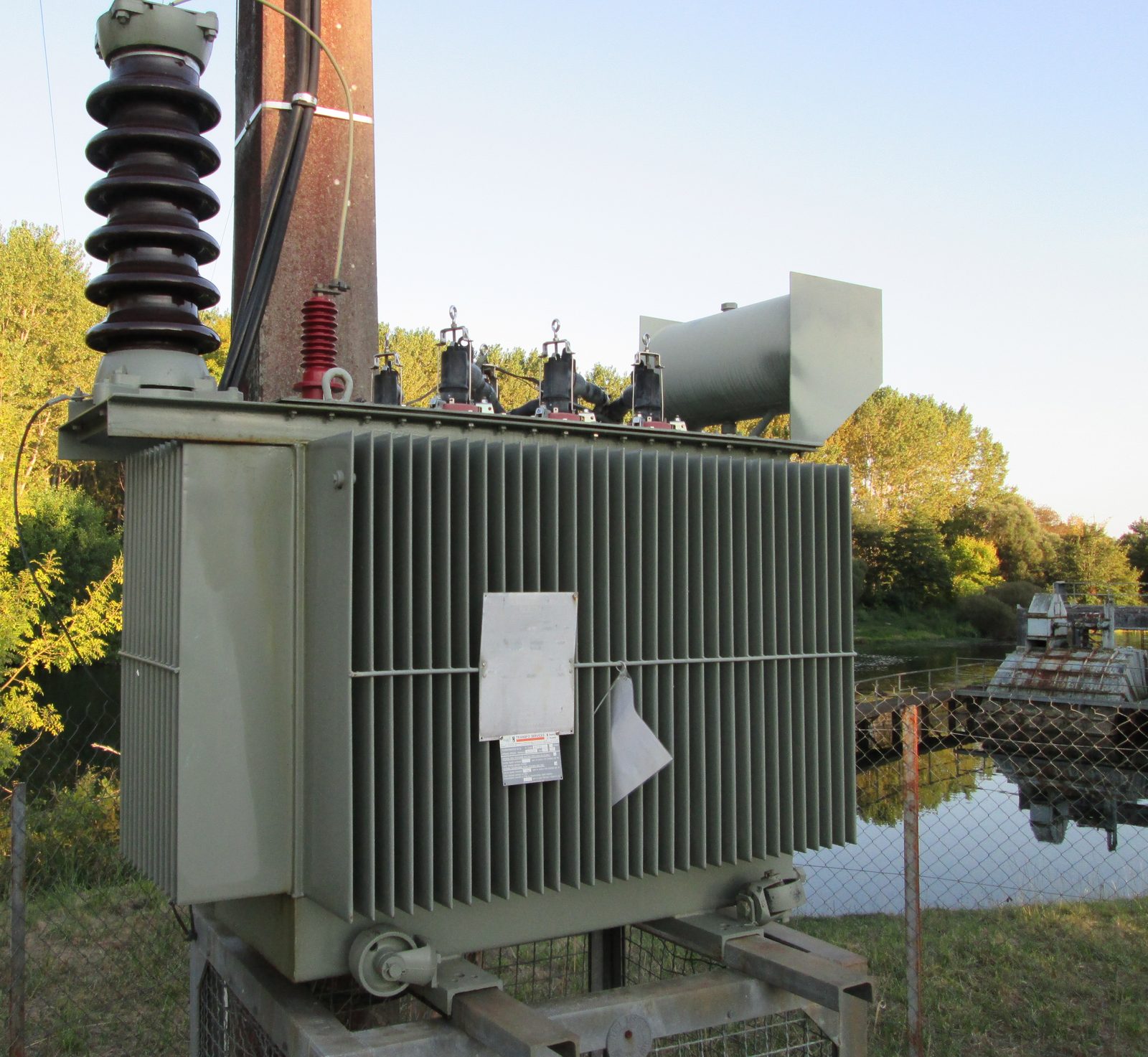
Choosing among transformer disposal options starts with the equipment's condition and fluid status, not simply its age or weight. An intact transformer may still have reuse value, while a damaged unit may require material recovery or specialized waste handling. The right route should account for proceeds, contractor charges, transportation, documentation, and unresolved environmental concerns. Treat the decision as an equipment disposition project with clear responsibilities rather than a request to make an unwanted asset disappear.
Resale usually produces the best net outcome for intact, reusable units because it can preserve equipment value beyond the metals alone. That advantage is not automatic: unusual ratings, uncertain condition, difficult access, or problematic fluids can change the calculation. Texas Electrical Transformer Buyers purchases surplus and used transformers for cash; each offer is unit-specific and based on inspection. Before requesting an evaluation, collect the nameplate, condition photographs, maintenance records, fluid information, and a realistic description of removal requirements.
Establish What You Have Before Selecting a Route
Identify the transformer by manufacturer, serial number, kVA, voltages, phase, and construction type. Record whether it is operating, isolated, stored, or damaged, and explain why it is being removed. A retirement caused by a facility upgrade is different from a retirement following an internal fault. Gather existing test results and repair history without attempting additional electrical work yourself. Qualified electrical personnel should verify the equipment's status before anyone opens compartments, disconnects cables, or prepares it for removal.
For liquid-filled units, locate fluid identification, sampling results, and any documentation addressing PCB content. Missing records are an uncertainty to resolve, not evidence that the oil is acceptable for unrestricted handling. A qualified environmental professional can advise whether sampling or additional classification work is necessary. Also document leaks, secondary containment, estimated weight, and access restrictions. These details help distinguish a straightforward equipment transfer from a project that requires fluid management, contamination assessment, or specialized transport arrangements.
- Record ratings and the retirement reason.
- Verify isolation before intrusive work.
- Locate fluid and PCB documentation.
- Describe leaks, weight, and removal access.
Compare Direct Reuse With Remanufacture
Direct resale is generally the first route to evaluate for a complete transformer with useful ratings and a credible service history. A buyer considers whether the equipment can be reused economically, subject to inspection and any necessary testing. Preserve the nameplate, bushings, enclosure, cooling equipment, and accessories during evaluation. Removing valuable components before seeking an offer can reduce the unit's reuse potential. An intact assembly lets the buyer assess equipment value rather than only the value of separated materials.
Remanufacture may be practical when the transformer has a repairable defect or needs substantial refurbishment before further service. That route depends on the underlying design, repair scope, parts availability, testing requirements, and expected demand after the work. It is not automatically economical because the tank and core remain intact. Obtain an assessment from a qualified transformer service specialist if repair is being considered. Compare a sale in current condition against repair expenses and uncertainty before authorizing work intended solely to improve sale proceeds.
- Evaluate intact equipment before dismantling.
- Disclose faults and previous repairs.
- Ask specialists to define refurbishment scope.
- Compare repair expense with likely benefit.
Understand Scrap Recycling and Waste Disposal
Scrap recycling becomes more relevant when reuse or repair is not practical. Recoverable metals may include copper or aluminum conductors and steel components, but gross weight does not tell you the recoverable material mix or net return. Oil removal, dismantling, loading, transportation, and facility acceptance requirements can consume part of the recovery value. Ask the receiving recycler what condition and documentation it requires. Do not drain a transformer or cut into it without appropriate equipment, qualified personnel, and an approved handling plan.
Hazardous-waste disposal is a separate pathway for materials classified as hazardous under applicable requirements; PCB-containing equipment may also be subject to specific handling rules. Not every old transformer or used insulating oil belongs in the same waste category. Classification should be determined by qualified environmental professionals using reliable records and testing where needed. Where specialized disposal is required, confirm the receiving facility's acceptance criteria and obtain appropriate shipment and completion records. A material-recovery payment does not substitute for proper management of regulated contents.
- Request recycler acceptance requirements first.
- Include draining and dismantling costs.
- Have professionals resolve waste classification.
- Retain required shipment and disposal records.
Compare Net Outcomes and Assign Responsibilities
Compare disposition routes using net outcome rather than the headline payment alone. List expected proceeds alongside inspection, testing, electrical disconnection, rigging, fluid handling, loading, freight, and disposal expenses. Identify which amounts are included in an offer and which remain your responsibility. A lower equipment offer with a clearly defined removal scope may leave you better off than a higher offer that excludes major work. Keep uncertain expenses visible instead of assigning them a zero simply because a contractor has not priced them.
Review the proposed transfer with purchasing, site safety, and appropriate environmental or legal advisers when circumstances warrant. Clarify which assets change hands, when ownership transfers, who directs contractors, and what documents demonstrate completion. A sale does not necessarily remove every obligation associated with prior storage, spills, or inaccurate disclosures. This is a reason to define responsibilities carefully, not a reason to assume all transfers are unacceptable. Compare qualified counterparties and written scopes, and avoid relying on verbal assurances about responsibility for regulated materials.
- Compare proceeds after all project expenses.
- Separate included work from excluded work.
- Document transfer and contractor responsibilities.
- Resolve environmental questions before shipment.
Avoid Abandonment and Finish the Removal Properly
Leaving an unwanted transformer in place is not a completed disposal strategy. Outdoor storage can allow corrosion, leaks, access hazards, or deterioration that reduces future recovery value. Disconnecting a unit without identifying it or controlling access can also create confusion for later maintenance crews. If removal must be delayed, establish a documented storage plan with inspections, appropriate containment where needed, and a responsible asset owner. Have qualified personnel evaluate electrical and environmental conditions rather than treating an idle unit as inherently harmless.
Once a route is selected, coordinate the work in sequence: confirm release authority, resolve fluid questions, complete electrical isolation, plan lifting and transportation, and document the handoff. Rigging professionals should verify weight, lifting points, access clearances, and equipment capacity; improvised lifting can damage the transformer and endanger workers. After removal, inspect the former location for remaining materials or evidence of leakage and arrange professional assessment where warranted. Close the asset record only after the equipment and any associated waste have documented destinations.
- Assign responsibility during temporary storage.
- Plan isolation before lifting or loading.
- Check the vacated area after removal.
- Record equipment and waste destinations separately.
Common questions
Is resale always better than scrapping a transformer?
No. Resale usually offers the strongest net outcome for intact units with reuse potential, but severe damage, unsuitable specifications, expensive recovery, or fluid-related restrictions can change that result. Seek an equipment evaluation before dismantling, then compare the offer with a documented recycling scope. Include removal, transportation, testing, and fluid-management expenses in both calculations rather than comparing gross payments alone.
Does selling a transformer eliminate environmental responsibility?
Do not assume that it does. Responsibilities can depend on the material, prior conditions, applicable requirements, and the transfer arrangements. Disclose known leaks and fluid information, retain supporting records, and clarify handling responsibilities in writing. Ask qualified environmental and legal professionals about the specific situation when uncertainty exists. A purchase receipt alone should not be treated as proof that every environmental issue has been resolved.
Should I drain the oil before asking a buyer to inspect the unit?
Generally, leave the unit intact until the buyer and appropriate professionals have reviewed its condition and handling needs. Unnecessary draining can introduce moisture, affect evaluation, and create a separate fluid-management obligation. If leakage or another condition requires intervention, use a qualified contractor under a suitable containment and documentation plan. Tell the buyer about any fluid removal, including quantities, dates, and available records.
Reviewed by the Texas Electrical Transformer Buyers buying desk · Last updated November 13, 2026