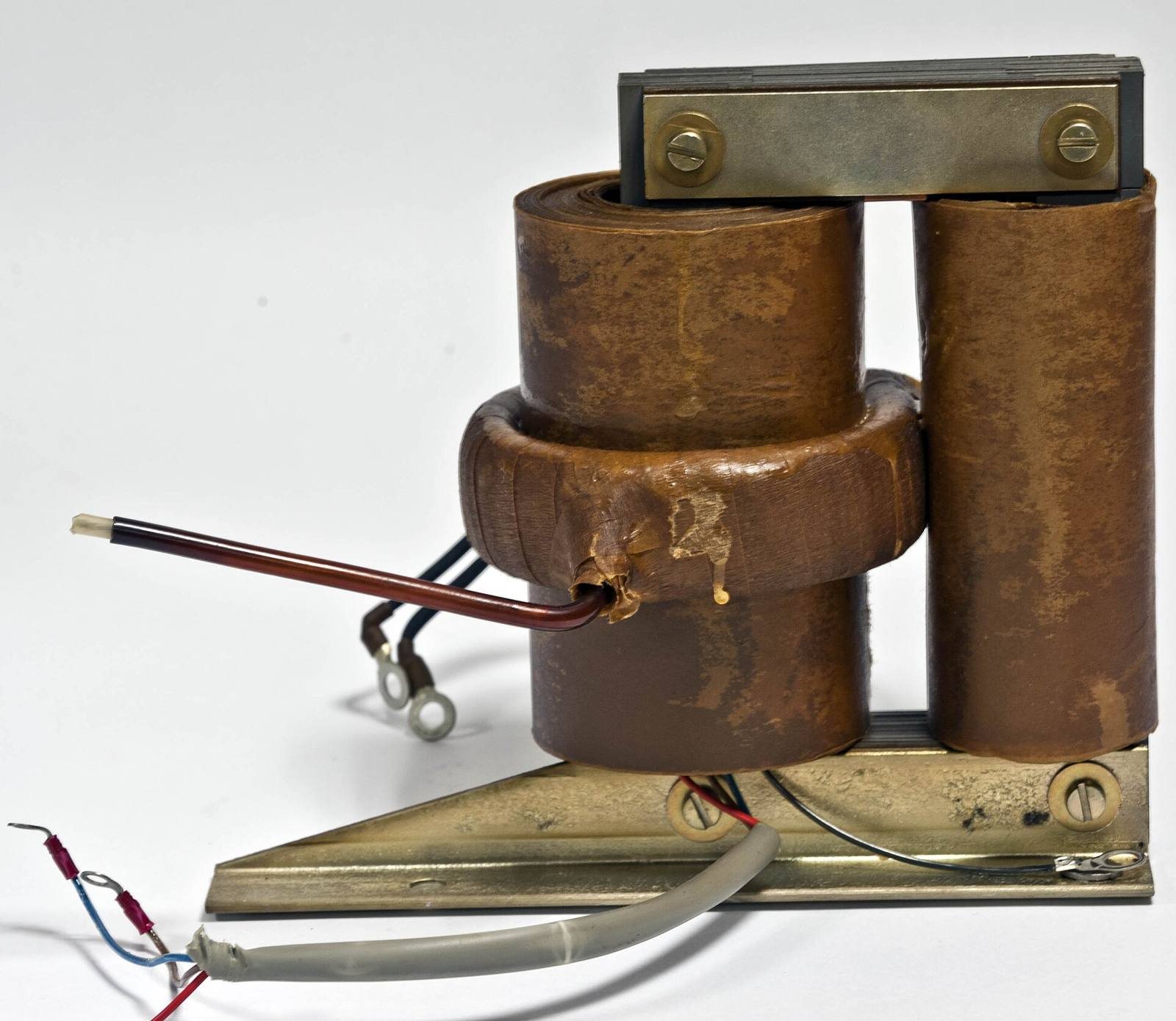
Dry-type transformers removed during electrical upgrades deserve an equipment-specific review before you classify them as scrap. Texas Electrical Transformer Buyers purchases used and surplus air-cooled transformers from owners and managers who want to sell. As a used dry type transformer buyer, we need more than a capacity estimate: voltage ratings, insulation data, enclosure condition and winding construction establish what you have. Clear records help separate serviceable equipment from units with unresolved electrical or thermal damage.
Dry-type equipment uses air cooling rather than a liquid dielectric and commonly ranges from 15 to 5,000 kVA. Units are often installed indoors at commercial, healthcare, university and industrial properties, where room access and shutdown coordination can be as important as electrical condition. A transformer being replaced for a load change is not necessarily worn out. Explain its last operating status, the reason for removal and whether it remains connected so we can evaluate the equipment accurately.
What we buy: low- and medium-voltage dry-type units
We review general-purpose distribution transformers, larger indoor power units and specialty dry-type equipment with identifiable electrical ratings. Send the nameplate kVA, primary and secondary voltages, phase, frequency, impedance and tap arrangement. Include the cooling designation where listed, particularly if fans increase the rated capacity. Low-voltage units and medium-voltage assemblies have different construction and handling requirements, so a complete nameplate photograph is more useful than a description based solely on cabinet dimensions or the connected building load.
Common manufacturer names include Eaton, Schneider Electric, Siemens, GE and ABB. We consider construction and condition across brands rather than treating a familiar label as proof of value. Copper and aluminum windings can both merit review, but the conductor material should be confirmed from reliable documentation. Open ventilated, enclosed and nonventilated designs require different inspection approaches. Include factory accessories such as cooling fans, temperature monitors and vibration isolation components, and identify modifications made after the equipment left the manufacturer.
- Common ratings: 15–5,000 kVA
- Low- and medium-voltage configurations
- Copper or aluminum winding construction
- Enclosures, fans and monitoring accessories
| Typical capacity | Voltage class | Common applications |
|---|---|---|
| 15 to 5,000 kVA | 0.6 kV to 35 kV | Indoor commercial and industrial distribution |
Ranges are typical only. Send the nameplate for the actual ratings of your unit.
How we inspect and value dry-type transformers
The evaluation centers on insulation integrity, winding condition and evidence of excessive heat or contamination. We review insulation class and temperature rise as separate nameplate characteristics; neither should be inferred from the other. Inspectable surfaces may show discoloration, damaged varnish, carbon tracking, loose supports or accumulated conductive dust. Existing insulation resistance and turns ratio results can support the review, but test methods and acceptance criteria must suit the transformer. Electrical testing belongs with qualified personnel, not an improvised sales check.
Offers are unit-specific and based on inspection. Capacity, voltage combination, impedance, conductor material and enclosure suitability all contribute to the purchasing assessment. A clean cabinet cannot establish the condition of the windings inside it, and an intact nameplate does not rule out overheating. Missing covers, damaged terminals, altered connections or absent cooling components introduce additional uncertainty. We also consider available operating records and the work required to move the transformer out of its room without damaging the assembly.
- Insulation class and rated temperature rise
- Winding damage and contamination
- Terminal condition and accessory completeness
- Test documentation and removal complexity
Configurations, operating history and failure modes
Connection details matter when determining what equipment is available for purchase. Identify delta or wye windings, neutral terminals, voltage taps and any special designation such as a K-factor rating or electrostatic shield. For medium-voltage equipment, include the basic impulse insulation level when shown. Frequency must also be verified; a unit built for a different frequency is not interchangeable merely because its voltage appears suitable. Photographs of the wiring diagram and terminal compartment help clarify configurations that a short equipment list may omit.
Dry-type failures often involve heat, insulation deterioration, contamination or connection problems rather than fluid leakage. Restricted airflow, overloaded operation and loose bolted connections can leave localized damage that deserves closer review. Describe unusual noise, odors, protective trips, water exposure and any known repair work. A transformer removed while functioning normally may be evaluated differently from one disconnected after smoke or a fault. Preserve existing maintenance records, including cleaning history and thermal inspection reports, without presenting them as a guarantee of present condition.
- Delta, wye and neutral arrangements
- Frequency, taps and special ratings
- Overheating or protective-trip history
- Water exposure and connection repairs
Indoor removal, handling and documentation
Before moving an indoor transformer, establish who will perform the electrical isolation and verify that all connected sources are addressed. Backfeed possibilities must be considered by the responsible qualified personnel. Document the equipment weight, doorway clearances, floor conditions and route to the loading area. Larger assemblies may require rigging rather than a routine forklift move. Disconnecting cables, removing enclosure panels and separating factory assemblies should follow an appropriate work plan, not an assumption that the transformer is light because it contains no oil.
Keep the transformer dry and protect the coils, terminals and ventilation openings during storage and transport preparation. Use designated lifting provisions and avoid supporting the load on an enclosure panel unless the manufacturer allows it. Provide ownership authorization, a nameplate-based equipment schedule and photographs of any disassembly already completed. State whether the enclosure, fan controls and temperature devices will transfer with the unit. A defined sale scope helps us evaluate the actual assembly rather than a collection of components that may be incomplete.
- Qualified isolation and disconnection plan
- Weight, doorways and loading route
- Dry storage and protected windings
- Ownership records and included components
Common questions
Do aluminum-wound dry-type transformers have purchase value?
Aluminum-wound units can be considered alongside copper-wound equipment. The assessment depends on the complete transformer: capacity, voltage configuration, insulation condition, enclosure and available documentation all matter. Identify winding material from the nameplate or manufacturer records when possible. Do not remove insulation or dismantle a usable transformer just to determine which conductor material it contains.
What is the difference between insulation class and temperature rise?
Insulation class describes the thermal capability of the insulation system, while rated temperature rise describes the winding temperature increase above the specified ambient under rated conditions. They are related design characteristics, not interchangeable numbers. Send both values exactly as listed, along with cooling information, so we can review the unit without making assumptions about its thermal design.
Can you review a transformer without recent electrical tests?
Yes, nameplate information, photographs and operating history can support an initial review. Missing test records leave more uncertainty about internal condition, and additional inspection or testing may be needed. Do not energize idle equipment solely to demonstrate that it works. Any electrical tests should be selected and performed by personnel qualified for the voltage and construction involved.
Will a missing enclosure prevent a sale?
A missing enclosure does not automatically end the review, but it changes what is being offered and may reduce suitability for reuse. Tell us whether the unit was designed for open installation or whether factory panels were removed. Include photographs of the remaining assembly, terminal protection and any covers or hardware stored separately.
What should I disclose after a water leak in the electrical room?
Describe where water reached the equipment, whether it was energized, how long exposure lasted and what inspection or drying work followed. Surface appearance alone cannot establish insulation condition after moisture exposure. Share maintenance and test records if available, and keep the transformer isolated until qualified personnel determine the appropriate next steps.
Reviewed by the Texas Electrical Transformer Buyers buying desk · Last updated November 13, 2026