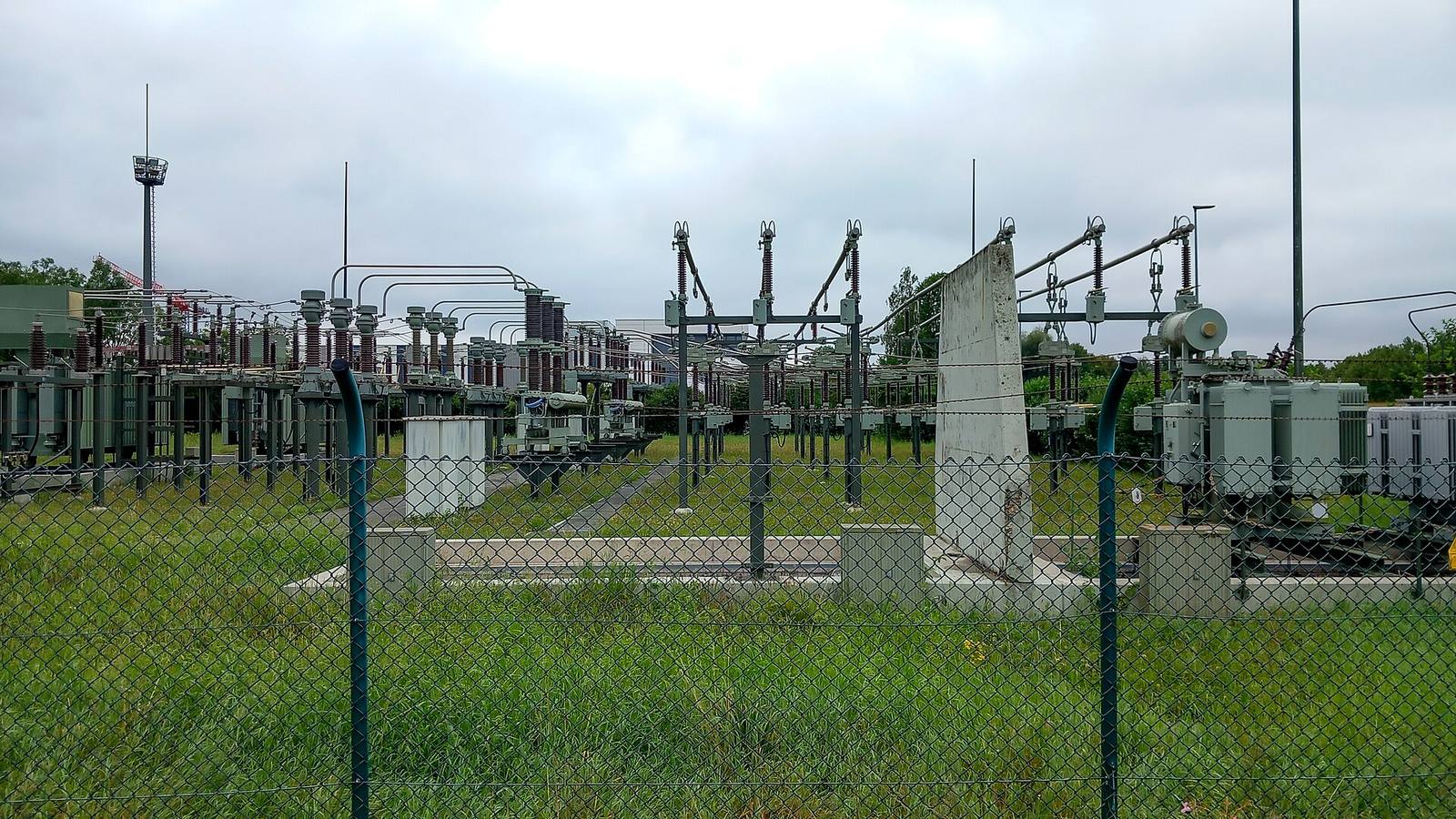
Substation decommissioning is a coordinated electrical, environmental, and heavy-equipment project—not simply a transformer pickup. An owner must establish who controls each asset, how every energy source will be isolated, what materials require special handling, and how equipment will leave the yard. Qualified electrical contractors should lead the electrical work, with utility personnel involved wherever their equipment or operating authority is affected. A written sequence helps prevent removal crews from encountering energized conductors, unsupported assemblies, or undocumented contamination.
If you intend to sell the transformer, bring the buyer into planning before demolition changes its condition. Texas Electrical Transformer Buyers purchases used and surplus transformers, with unit-specific offers based on inspection. Selling an intact unit can preserve options, but it does not replace engineering, electrical isolation, environmental assessment, or a professional lift plan. The practical goal is to separate purchase decisions from safety responsibilities while giving every contractor clear information about access, equipment condition, work boundaries, and required documentation.
Establish Ownership, Utility Boundaries, and Verified Isolation
Begin with current one-line diagrams, equipment schedules, operating records, and an ownership inventory. Identify incoming supplies, alternate feeds, generator connections, station-service circuits, control batteries, and any circuits that remain active after the main transformer is disconnected. Confirm utility boundaries and required outage coordination before selecting removal dates. If drawings do not match the installation, have qualified personnel resolve the discrepancy. Physical proximity does not establish ownership, and retiring customer equipment does not authorize work on utility-controlled conductors or apparatus.
The electrical contractor should develop and execute the applicable isolation and lockout/tagout procedure with the parties controlling each energy source. Opening a breaker alone does not prove safe isolation. Qualified workers must verify absence of voltage using appropriate methods and address stored energy, backfeed, induced voltage, and grounding requirements under the applicable safety program. Establish controlled work boundaries and document release conditions before mechanical crews enter. Changes to scope or adjacent operating equipment require reassessment, not an informal assumption that the yard remains safe.
- Reconcile drawings with installed equipment.
- Identify every source and operating authority.
- Document verified isolation and work boundaries.
- Coordinate outages with the utility.
Survey Hazardous Materials and Prepare Oil Containment
Complete environmental assessments before cutting, draining, or disturbing suspect materials. Gather transformer fluid records and arrange PCB testing where existing documentation does not adequately establish status. Sampling should be planned by qualified personnel so the method, container, identification, and laboratory analysis fit the assessment. Include associated oil-filled equipment in the review. Where asbestos-containing materials may be present, use a qualified asbestos professional to survey the relevant components before demolition. Neither an equipment date nor visual appearance resolves these questions.
Develop a containment plan for both routine fluid transfer and an accidental release. Confirm fluid quantities, tank integrity, existing containment capacity, transfer routes, suitable receiving containers, and access for response personnel. Keep drains and pathways to soil or water in the assessment. Where drainage is required, specify who performs it and how the fluid, residues, and contaminated materials will be managed. Seek professional guidance on applicable handling requirements; a transformer purchase agreement should not leave environmental responsibilities implied or unassigned.
- Review fluid tests and sampling needs.
- Survey suspect asbestos before disturbance.
- Plan transfer and spill containment.
- Assign responsibility for recovered materials.
Sequence Buswork, Breaker, and Control-System Removal
After the electrical work area has been formally released, remove connected equipment in a sequence that maintains mechanical stability and protects assets intended for sale. Buswork can impose loads on supports and connected apparatus, so the removal plan must consider how each cut or disconnection changes those loads. Breakers, disconnects, instrument transformers, and control cabinets need individual handling methods. Preserve identification tags and record connections before separation. Keep removal activity outside any boundary established around equipment that remains energized.
Determine which components should remain with the transformer, including cooling equipment, control cabinets, tap-changer accessories, and monitoring devices. Photograph their arrangement and label detached items so they can be matched to the correct unit. Do not let demolition crews strip marketable assemblies without an agreed disposition plan. Batteries, capacitors, spring mechanisms, and hydraulic or pneumatic systems can retain energy even after supply isolation. Qualified personnel must address those hazards before dismantling, while the project lead controls access and coordinates overlapping crews.
- Check bus-support stability before separation.
- Label accessories by equipment identifier.
- Preserve complete saleable assemblies.
- Control residual mechanical and electrical energy.
Engineer the Transformer Lift and Transport Route
Rigging starts with verified weight, dimensions, center-of-gravity information where available, and the manufacturer's lifting provisions. Distinguish oil-filled weight from any proposed shipping configuration. An experienced rigging contractor should inspect lifting points and prepare a plan covering crane capacity at the required radius, rigging selection, load control, and exclusion zones. Radiators, bushings, and other projecting components are not substitute lifting points. If condition or missing records create uncertainty, obtain appropriate engineering input rather than improvising the lift.
Check the entire route from foundation to trailer and from the yard to the road. Ground bearing conditions, buried services, overhead clearances, gate width, turning space, trailer capacity, and load securement can determine feasibility. Transportation professionals should evaluate dimensional restrictions and any permit requirements. Agree on whether accessories or fluid must be removed, who performs that work, and how openings will be protected. Confirm the buyer's acceptance conditions before changing the unit, and maintain a clear handoff between electrical release, rigging, loading, and transport.
- Verify weight and approved lifting provisions.
- Assess crane setup and ground support.
- Measure gates, clearances, and turning space.
- Agree on the shipping configuration.
Restore the Yard and Close Out the Records
Define the required final site condition before equipment removal begins. Foundation demolition, anchor removal, conduit treatment, grading, and drainage restoration should follow the owner's plans and any applicable project requirements. Confirm whether underground cables, grounding conductors, trenches, or ducts serve equipment that remains in operation. Do not remove shared infrastructure based solely on the retired transformer's footprint. If staining or a release suggests contamination, have environmental professionals determine assessment and cleanup needs before covering the area with new fill or pavement.
Closeout should connect each removed asset to its destination and each completed task to a responsible party. Retain equipment photographs, serial numbers, inspection reports, fluid analyses, transfer records, shipping documents, and relevant disposal documentation. Record changes to drawings and the status of remaining circuits with the electrical contractor and utility where appropriate. For the transformer sale, establish the agreed transfer point and responsibilities for loading, transport, and accessories. Clear records support later questions about site condition without relying on recollection or informal crew notes.
- Specify foundation and grading requirements.
- Protect infrastructure still in service.
- Retain transfer and environmental records.
- Update drawings and asset disposition logs.
Common questions
Can a transformer buyer handle the entire decommissioning project?
Do not assume that purchasing equipment includes electrical isolation, environmental work, demolition, or restoration. Establish each responsibility in the project scope and purchase agreement. Qualified electrical contractors should perform electrical work, while appropriately qualified specialists handle surveys, rigging, and other assigned tasks. Coordinate the buyer's inspection and collection requirements with those contractors before committing to a removal sequence.
When should I request a transformer evaluation?
Request it during planning, while the transformer remains intact and its records and accessories are available. Provide nameplate photographs, condition history, test reports, fluid documentation, dimensions, and access details. Early evaluation helps distinguish components worth preserving from materials intended for disposal. An initial discussion is not permission to remove equipment or a guaranteed offer; valuation depends on the particular unit and inspection.
What if part of the substation must remain energized?
Have the electrical contractor and relevant operating authority define the live equipment boundaries, isolation arrangement, and permitted work activities. Removal crews need a site-specific plan that addresses clearances, conductive loads, crane movement, and access controls. If the proposed work cannot maintain safe separation, revise the sequence or arrange an outage. A neighboring circuit's continued operation must never be treated as a minor scheduling detail.
Reviewed by the Texas Electrical Transformer Buyers buying desk · Last updated November 13, 2026