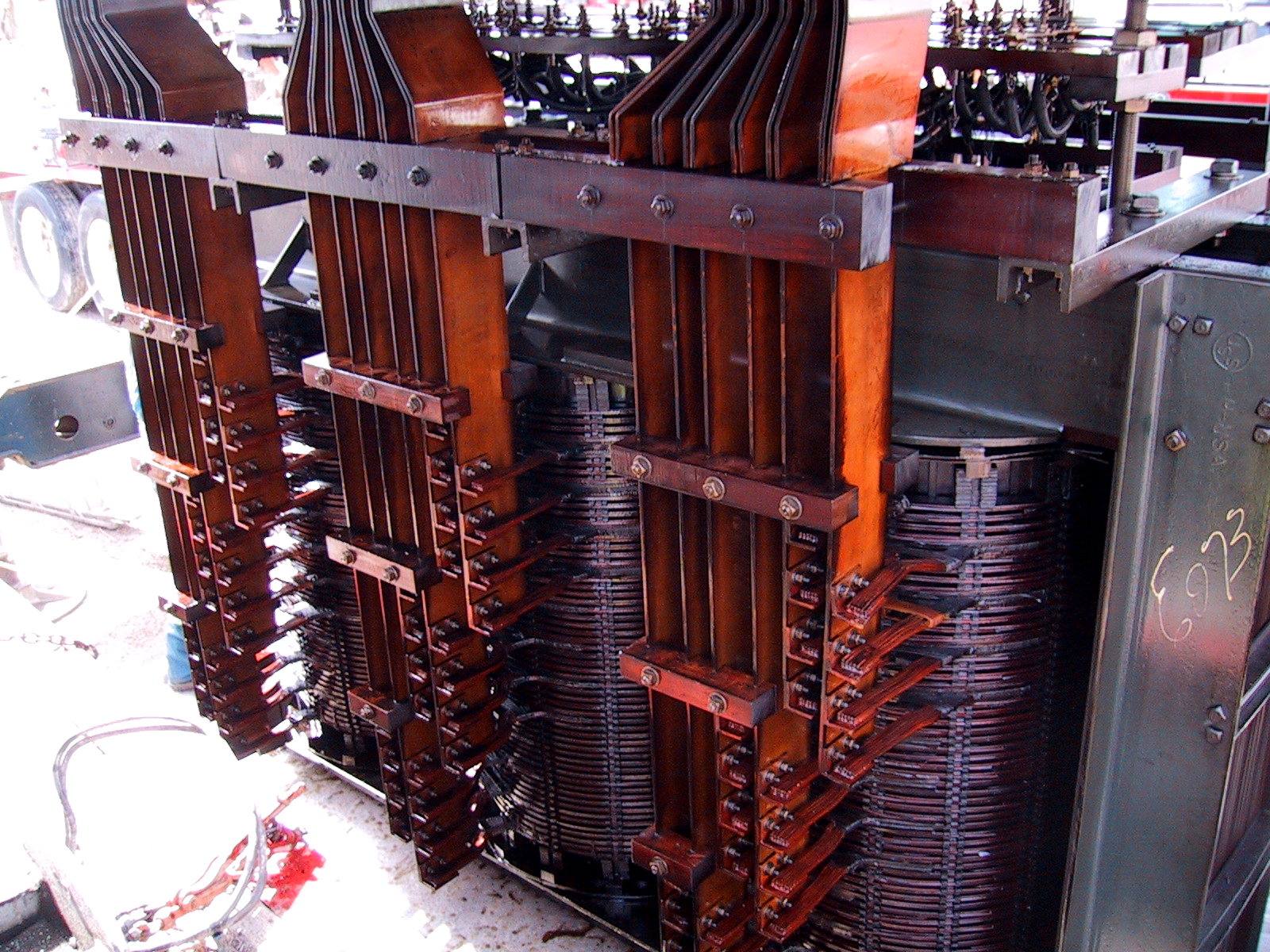
A retired transformer contains valuable metal, but its gross weight does not tell you what that metal is worth. The tank, insulating liquid, windings, core, bushings, and structural parts all contribute different amounts to recoverable value. Before authorizing dismantling, establish whether the complete unit has reuse potential. Evaluating transformer copper and core salvage value means comparing realistic recovery proceeds with the costs of testing, draining, handling, transportation, and processing—not multiplying the shipping weight by a copper scrap rate.
For an owner preparing to sell, the strongest starting point is an intact, documented transformer that can be inspected safely. Texas Electrical Transformer Buyers buys surplus and used transformers; offers are unit-specific and based on inspection. This guide explains the information that supports an evaluation and the work that belongs with qualified electrical contractors, environmental professionals, and experienced equipment handlers. Do not open, drain, energize, or dismantle a transformer simply to improve a preliminary estimate.
Identify the Winding Metal Without Destructive Inspection
Copper and aluminum windings can both serve in dependable transformers, but they have different material recovery economics. Copper generally carries a higher scrap value per pound, while aluminum designs commonly use a larger conductor cross-section for comparable electrical performance. That does not establish the recoverable weight in a particular unit. Start with manufacturer drawings, original specifications, repair records, or a winding-material designation on the nameplate. If the records are inconclusive, report the winding material as unknown.
Visible terminals are not reliable proof of the winding metal. A transformer may have copper connections attached to aluminum windings, plated components, or mixed-metal assemblies. Cutting into the unit can destroy reuse value, introduce contamination, and create electrical or mechanical hazards. Ask the buyer what documentation would resolve the uncertainty before commissioning invasive work. Any necessary internal inspection should follow a defined scope, verified electrical isolation, appropriate environmental controls, and manufacturer guidance where available.
- Photograph the complete nameplate.
- Locate winding and repair specifications.
- Keep terminal metal separate from winding assumptions.
- Record unknown materials explicitly.
Separate Total Weight From Recoverable Metal Weight
Use documented weights rather than estimates based on the transformer's size. A nameplate or shipping drawing may distinguish total weight, oil weight, and untanking weight, but terminology varies by manufacturer. Untanking weight may include both the core-and-coil assembly and supporting components; it is not automatically winding weight. Confirm what each figure includes. If liquid volume is listed in gallons, converting it to pounds requires the correct fluid density, not a generic assumption that all insulating liquids weigh the same.
A practical estimate separates the tank and structural steel, core steel, winding conductors, liquid, and remaining components. Manufacturer material schedules provide better evidence than generalized copper percentages. Where those schedules are unavailable, give the buyer total documented weight and construction details, then allow for inspection uncertainty. Transportation and lifting decisions require verified handling weights and a suitable lift plan. A salvage estimate is not an acceptable substitute for the weight information needed to select cranes, rigging, or trailers.
- Identify the source of every weight.
- Distinguish drained and oil-filled weights.
- Avoid assumed copper-content percentages.
- Verify handling weight before mobilization.
Understand What the Core Contributes
Many conventional power and distribution transformers use grain-oriented electrical steel laminations in their cores. This material is manufactured to provide favorable magnetic properties along a preferred direction, helping reduce losses during operation. Its usefulness as an engineered core is different from its value as recovered ferrous metal. Some transformers use other core materials, including amorphous alloys, so identify the construction before assigning a recovery category. Core weight alone does not establish either the winding weight or the complete transformer's resale potential.
When a core is dismantled, thin laminations, insulating coatings, attached hardware, and contamination can affect processor acceptance and handling costs. Do not assume that specialized electrical steel will receive a premium scrap classification. Obtain a processor's actual requirements for the material's condition and preparation. An intact core-and-coil assembly may retain value within a serviceable transformer, but separating the assembly does not guarantee a market for it. Cutting, bending, or mixing laminations with other scrap can eliminate useful options.
- Confirm the documented core construction.
- Ask about accepted scrap classifications.
- Account for coatings and attached hardware.
- Preserve the assembly until evaluated.
Compare an Intact Sale With Net Scrap Recovery
An intact transformer with reuse potential usually offers a stronger economic route than dismantling it for metal because the buyer can evaluate its function as well as its materials. Useful evidence includes voltage ratings, kVA or MVA capacity, impedance, cooling arrangement, tap configuration, service history, and available test reports. Condition matters: damaged bushings, leaking seals, winding faults, corrosion, or missing components can change the assessment. Market suitability also matters, so intact construction does not guarantee a reuse offer.
Compare both routes on a net basis using the same starting condition. For scrap, include professional disconnection, fluid management, dismantling labor, equipment rental, hauling, processor deductions, and any environmental handling expenses. For an intact sale, establish who performs preparation, supplies lifting equipment, arranges transportation, and carries each cost. Avoid double-counting removal expenses shared by both routes. Obtain an inspection-based evaluation before cutting cables close to terminals, stripping accessories, or opening the tank; those actions can make a usable unit less attractive.
- Gather ratings and condition records.
- Compare proceeds after all deductions.
- Define pickup and loading responsibilities.
- Delay irreversible dismantling decisions.
Account for Oil, Hazardous Materials, and Site Conditions
Oil-filled equipment needs a fluid-management plan even when the intended outcome is scrap. Identify the insulating liquid, available laboratory results, leaks, and any history of fluid replacement or treatment. PCB status must be supported by appropriate records or testing interpreted by qualified professionals; appearance, age, or an informal label is not sufficient evidence. Depending on construction and associated equipment, other materials may also need assessment. Suspected asbestos-containing components should remain undisturbed pending evaluation by a qualified asbestos professional.
Contaminated oil, absorbents, soil, or internal materials can reduce net recovery by adding testing, containment, transportation, and disposal costs. Before inspection or removal, document tank condition, accessible lifting points, clearance, ground conditions, and existing containment. Electrical contractors must verify isolation, address stored or induced energy, and establish safe work conditions before anyone approaches exposed components. Submit photographs and records without disturbing the equipment, and ask for an evaluation that clearly separates the transformer purchase from any site cleanup obligations.
- Collect fluid identification and test records.
- Photograph leaks without opening equipment.
- Arrange qualified hazardous-material assessments.
- Clarify cleanup and removal scope.
Common questions
Can I calculate copper weight from the transformer's total weight?
Not reliably. Total weight can include substantial oil, tank steel, core steel, insulation, and accessories, and winding proportions differ between designs. Use manufacturer material records when available. Otherwise, provide documented weights, ratings, and construction details for inspection-based evaluation. Do not cut open an intact transformer just to replace an uncertain estimate with a measurement.
Should I drain the oil before requesting an offer?
Usually, request an evaluation before arranging drainage. Removing oil can add handling costs and affect how the unit is inspected, preserved, or transported. The appropriate shipping condition depends on the equipment and removal plan. If drainage is necessary, qualified personnel should identify the fluid, establish containment, use suitable containers, and arrange an appropriate destination for the recovered material.
Does an old or nonworking transformer still have buying value?
It may, but age or failure alone does not establish value. Winding metal, documented weight, core construction, damage, contamination, and access all affect the available recovery routes. Repairability may also matter for some units. Provide the known failure history and avoid describing an untested transformer as operational. Any offer remains unit-specific and subject to inspection.
Reviewed by the Texas Electrical Transformer Buyers buying desk · Last updated November 13, 2026