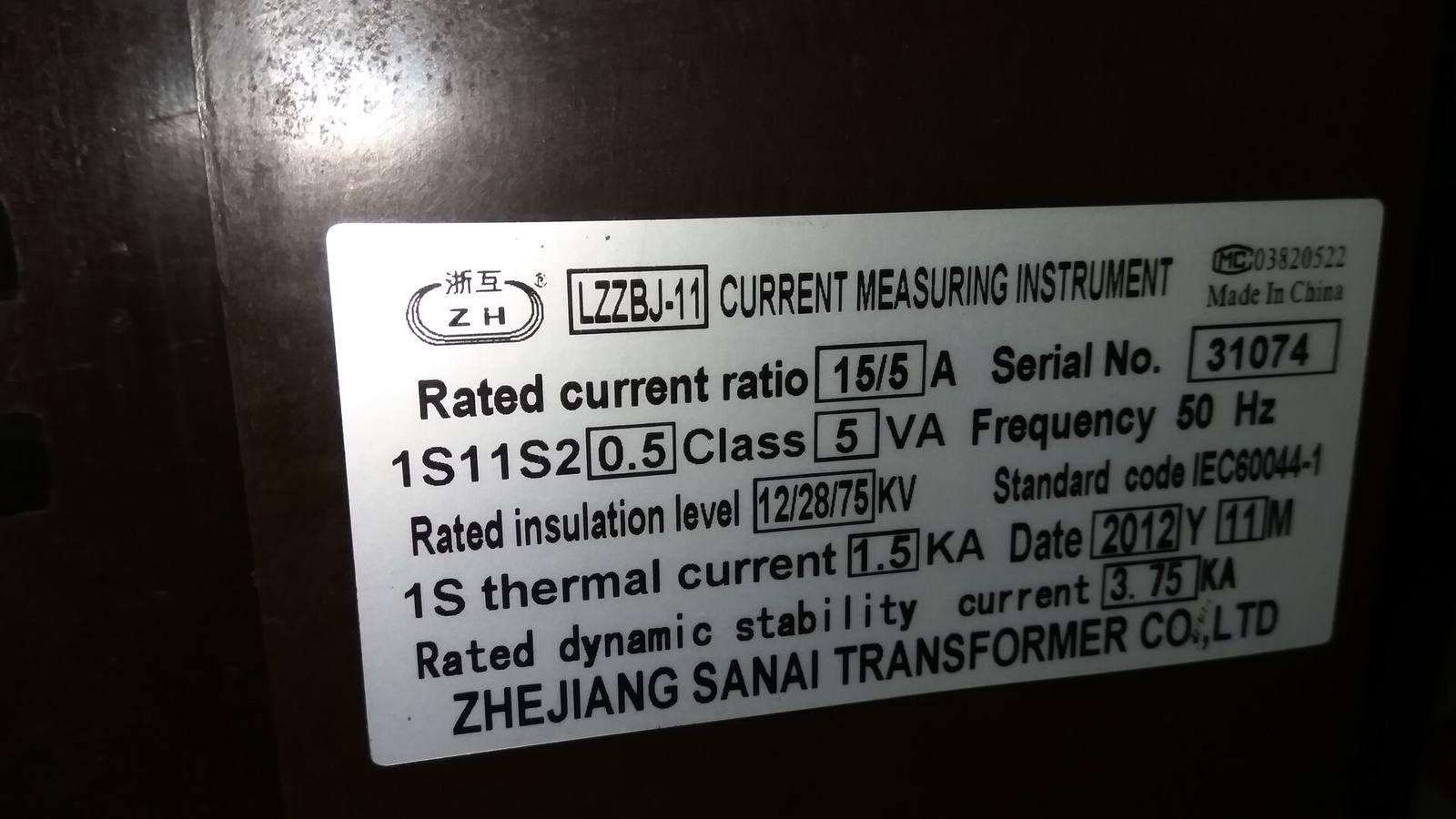
A transformer nameplate gives a buyer the design information needed to begin evaluating equipment, but it does not certify present condition. Capacity, voltages, connections, and cooling ratings help identify possible applications and technical limitations. Service history and inspection answer different questions. If you want to sell a transformer to Texas Electrical Transformer Buyers, a clear plate photograph is one of the most useful starting points, especially when it is supported by complete equipment pictures and records.
Read capacity together with voltage and cooling ratings
The kVA rating describes apparent-power capacity under stated design conditions. It does not, by itself, identify the loads a transformer can serve. Primary and secondary voltage ratings, phase, and frequency must also fit the application. A 480-volt secondary is materially different from a 208Y/120-volt secondary, even when capacity is identical. A buyer needs the complete rating information to distinguish a potentially usable transformer from equipment with a narrower application.
Cooling information can change how capacity should be interpreted. Some units carry more than one kVA rating depending on whether supplemental cooling is operating. If the higher rating depends on fans, their presence and condition matter. Temperature-rise and insulation information add design context but do not reveal remaining service life. Photograph the entire rating table rather than reporting only the largest number, and disclose missing cooling accessories so the equipment is not described beyond its documented configuration.
- Base and supplemental kVA ratings
- Primary and secondary voltage values
- Phase and rated frequency
- Cooling class and installed accessories
Connections, impedance, and taps explain application limits
Winding connections affect how a transformer interfaces with an electrical system. Delta and wye arrangements are not interchangeable descriptions, and a marked neutral connection does not remove the need for proper system design. Connection diagrams help a buyer understand the intended arrangement. On equipment with multiple windings or selectable configurations, the plate may show several possibilities. Those markings describe design options; they do not necessarily establish how the transformer is currently connected.
Percent impedance influences voltage regulation and available fault current, making it relevant to reuse evaluation. It also matters when assessing whether transformers could operate in parallel, although a nameplate alone cannot establish compatibility. Tap markings show available voltage adjustments, but the installed tap position should be verified separately. Do not move a tap device just to improve a sales description. Its operation must follow the manufacturer’s instructions and the equipment’s specific energized or de-energized requirements.
- Winding and connection diagrams
- Percent impedance
- Tap range and step markings
- Verified present configuration
Identification helps connect the unit to reliable records
Manufacturer, serial number, and manufacturing date help distinguish the exact transformer being offered. This becomes important when a facility owns several units with similar ratings. Test reports and drawings should match the equipment identifier, not merely the manufacturer or capacity. A plate may also list fluid quantity, total weight, or other handling information. Where provided, these details help plan inspection and transportation, but they should be checked against the complete installed assembly.
Treat fluid and weight markings as specific data, not permission to make broader assumptions. A fluid designation is not a substitute for appropriate PCB documentation, and a manufacturing date alone does not establish fluid status after years of service or maintenance. Likewise, shipping weight may differ from the weight of equipment with added accessories or altered fluid levels. Provide the wording exactly as shown and include supporting records rather than converting incomplete markings into unsupported claims.
- Manufacturer and serial number
- Manufacturing date if shown
- Listed fluid type and quantity
- Weight markings and supporting drawings
Use the plate as the start of a seller’s evidence package
A legible plate can establish original ratings, but it cannot show insulation degradation, internal damage, moisture, or the cause of a recent trip. It also may not reflect modifications made after manufacture. Buyers need operating history, condition photographs, and relevant test results to address those questions. A transformer described as working should have a clear basis for that statement, such as known recent service, rather than an assumption drawn from intact paint and readable markings.
Take straight-on photographs that show the whole plate and close-ups of small text, without entering unsafe clearances or disturbing energized equipment. Add overall views, terminal compartments where safely accessible, cooling components, and visible defects. If the plate is missing or unreadable, provide drawings and records while clearly identifying uncertain specifications. We buy used and surplus transformers through unit-specific, inspection-based offers. The seller’s practical goal is an accurate package that separates documented ratings from condition claims requiring verification.
- Whole-plate and detail photographs
- Overall equipment and defect images
- Matching service and test records
- Clearly labeled unknown specifications
Common questions
Can I sell a transformer with a missing or unreadable nameplate?
You can submit it for review, but expect identification to require more evidence. Provide any drawings, purchase records, maintenance reports, serial-number markings, and photographs available. Explain which ratings are confirmed and which are uncertain. Do not estimate voltage or capacity from enclosure size. Whether the unit can receive a purchase offer depends on what inspection and supporting documentation establish.
Does the nameplate prove that a transformer is safe to energize?
No. The plate describes design ratings and configuration information, not current operational safety. Damage, storage exposure, modifications, or internal deterioration may not be visible in those markings. Qualified personnel must determine the inspection and testing needed before energization. For a sale, disclose operating history and known problems, and provide relevant records without presenting the plate as a substitute for a condition assessment.
Reviewed by the Texas Electrical Transformer Buyers buying desk · Last updated November 13, 2026