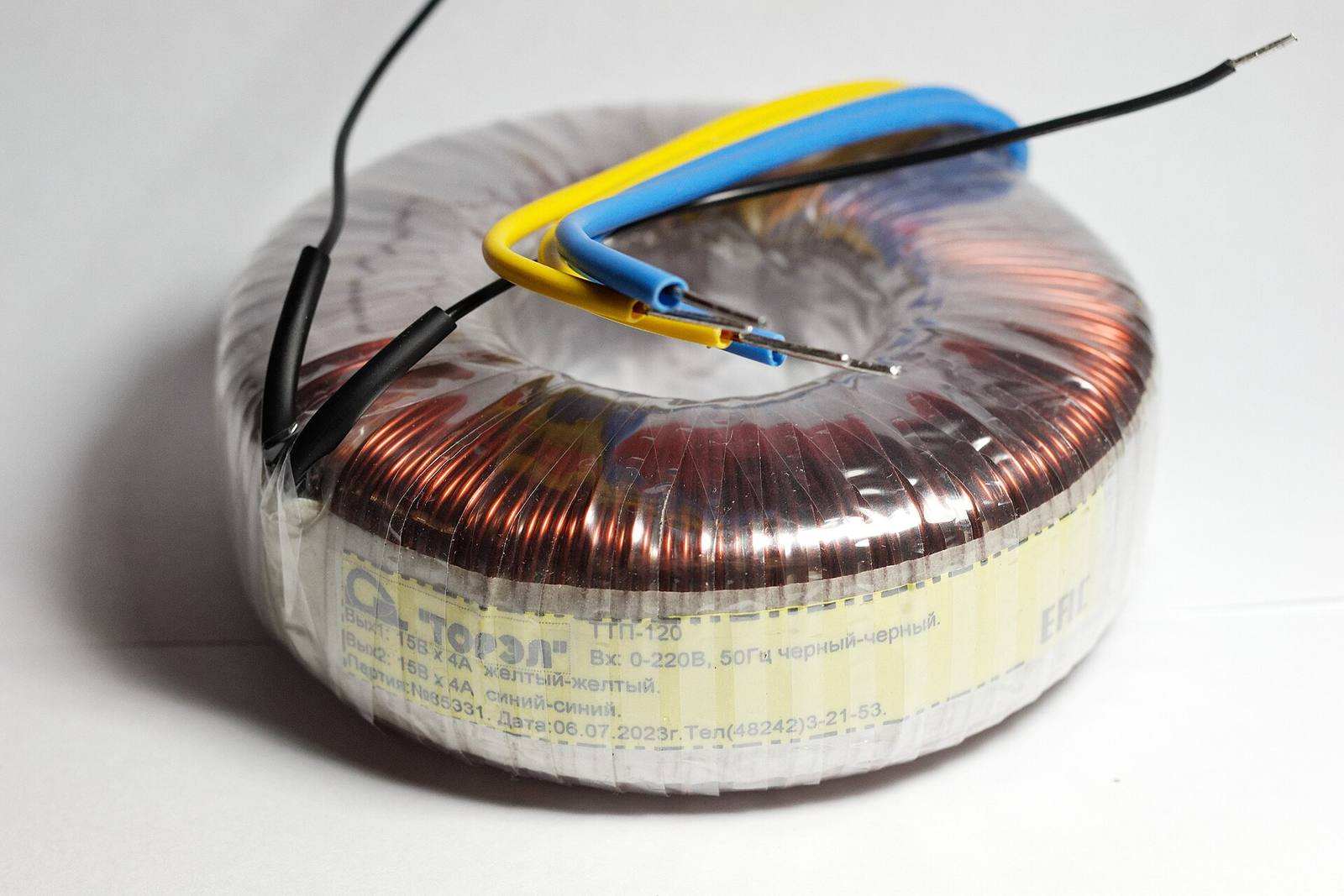
Cast-resin transformers require a closer look at winding condition than an exterior cabinet photograph can provide. Texas Electrical Transformer Buyers buys used and surplus units from equipment owners, facility managers and removal teams authorized to sell them. As a cast resin transformer buyer, we review the nameplate, epoxy surfaces, operating history and supporting tests together. The goal is to identify the actual assembly and its condition before developing an offer based on inspection.
These dry-type transformers use epoxy-cast windings and commonly fall between 50 and 3,150 kVA, with medium-voltage ratings often in the 15 to 35 kV range. They are found in industrial plants, tunnels, ships and European-designed facilities. Those applications can involve unusual access, frequency or connection requirements. Give us the complete electrical ratings and installation context rather than assuming that every cast-resin unit has the same winding arrangement, enclosure or cooling package.
What we buy: epoxy-cast transformer assemblies
We consider complete cast-resin transformers, documented surplus units and equipment removed during planned replacement. Provide rated kVA, primary and secondary voltages, frequency, phase, impedance and the cooling designation. List both natural-air and forced-air capacities if the nameplate specifies separate ratings. Confirm the tap range and connection diagram, including the vector group where provided. The voltage class alone does not identify the secondary output or establish whether the transformer matches a particular electrical system without the remaining configuration information.
Cast-resin equipment from manufacturers such as Siemens, ABB and Schneider Electric can be evaluated alongside other clearly identified makes. Construction varies: a unit described as cast resin may have an epoxy-cast high-voltage winding and a differently constructed low-voltage winding. Send photographs that show both assemblies where safely accessible. Temperature sensors, fan sets, controllers, enclosure panels and mounting hardware should be included in the equipment description. Missing accessories and undocumented modifications affect how we assess the offered transformer as a complete assembly.
- Typical capacities: 50–3,150 kVA
- Common voltage classes: 15–35 kV
- Natural-air and forced-air ratings
- Cast coils and associated control equipment
| Typical capacity | Voltage class | Common applications |
|---|---|---|
| 50 to 3,150 kVA | 15 kV to 35 kV | Indoor plants, tunnels and marine service |
Ranges are typical only. Send the nameplate for the actual ratings of your unit.
How we inspect and value cast-resin equipment
Inspection focuses on the cast insulation, coil supports, terminals and signs of electrical or thermal stress. Cracks need context: their location, depth and relationship to conductors or stressed insulation regions matter more than a broad statement that the resin looks damaged. We also look for tracking, discoloration, surface contamination, loose blocking and evidence of overheating. Moisture can affect contaminated surfaces and associated insulation even though the windings are encapsulated. Clear close-up photographs help document visible concerns without requiring unnecessary contact with the coils.
Purchase offers are unit-specific and based on inspection, considering ratings, winding integrity, completeness and available test evidence. Partial discharge reports are particularly useful when they identify the test conditions, measurement method and results. A basic insulation resistance reading does not establish that a transformer is free of partial discharge or internal casting defects. Existing factory reports, maintenance tests and repair records help reduce uncertainty. Frequency compatibility, voltage configuration and the practical difficulty of removal also influence whether the equipment is suitable for purchase.
- Cracking, tracking and resin discoloration
- Partial discharge test documentation
- Coil supports and terminal integrity
- Configuration, completeness and handling costs
Technical records and known failure mechanisms
Imported or European-designed equipment may carry ratings and connection conventions that need careful interpretation. Record the frequency rather than assuming 60 Hz, and provide the vector group, insulation levels and rated temperature rise where available. Basic impulse insulation level and power-frequency withstand data describe different insulation tests and should not be substituted for each other. If the transformer has multiple ratings or special service conditions, send the original data sheet. Equipment intended for marine or enclosed installations may have configuration details that are not obvious externally.
Thermal cycling, excessive loading, manufacturing defects and mechanical stress can contribute to cracking or insulation problems in cast windings. Partial discharge can occur at voids or other electrically stressed regions, but visible inspection alone cannot establish its presence or absence. Explain any history of alarms, unusual noise, flashover, cooling fan failure or protection trips. Repairs to resin surfaces should be disclosed with the method and service records if known. Cosmetic patching must not be represented as proof that the original dielectric strength has been restored.
- Frequency and vector-group identification
- Insulation levels and factory test reports
- Alarm, trip and cooling-failure history
- Documented repairs and coil replacement
Safe removal and preservation of cast coils
Plan removal around the transformer's frame, designated lifting points and documented weight. Cast coils are rigid but should not be treated as lifting surfaces or used to brace rigging. Qualified personnel must isolate the equipment, address connected sources and verify safe electrical conditions before disconnection. For constrained installations, document door openings, overhead clearance and the route to the loading position. If the enclosure must be removed, identify which panels and accessories will remain with the transformer and how they will be protected.
Storage and handling should prevent impact, condensation and contamination rather than relying on encapsulation as complete environmental protection. Secure the assembly through suitable structural points, protect terminals and keep loose accessories labeled with their original unit. Do not drill the casting, scrape suspected defects or attempt a resin repair to prepare equipment for review. Supply ownership records, nameplate images, condition photographs and any available test package. Include the removal schedule and current storage conditions so the purchase assessment reflects both the electrical assembly and its handling requirements.
- Frame-based lifting and verified weight
- Clearances and removal-route planning
- Protected coils, terminals and accessories
- Ownership documentation and test package
Common questions
Can a cast-resin transformer with visible cracks be sold?
We can review it, but photographs alone may not establish whether the cracks are superficial or affect critical insulation. Provide close-ups, their locations and any related test or repair records. Avoid scraping or filling the affected areas. The extent of damage and inspection findings determine whether a purchase is practical and how the unit is assessed.
Are partial discharge test records required?
They are valuable supporting documentation, especially for medium-voltage cast windings, but their absence does not prevent an initial discussion. Include factory and field reports if available, with test conditions and measurement details. Additional evaluation may be necessary because a visual check or ordinary insulation resistance result cannot rule out internal partial discharge activity.
Do you consider transformers built for 50 Hz service?
We can review 50 Hz equipment when its ratings and documentation are clear. Frequency affects suitability, and operation on another system requires engineering evaluation rather than a casual assumption of interchangeability. Send all nameplate frequency and voltage markings, including any dual-frequency ratings, along with the original data sheet if you have it.
Does epoxy encapsulation eliminate concerns about moisture?
No. Encapsulation can protect the cast winding, but condensation, surface contamination and moisture affecting other insulation or components still matter. Tell us about flooding, damp storage or repeated condensation. Keep the equipment protected and disclose any cleaning, drying or testing performed afterward so those conditions can be considered during inspection.
Should cooling fans and temperature controls stay with the transformer?
Include them when they are part of the assembly being offered, and identify anything missing or nonfunctional. Forced-air ratings may depend on the specified fan arrangement, while temperature devices provide important monitoring functions. Photograph controller labels and accessory connections where safely accessible, and keep detached components labeled so their relationship to the transformer remains clear.
Reviewed by the Texas Electrical Transformer Buyers buying desk · Last updated November 13, 2026