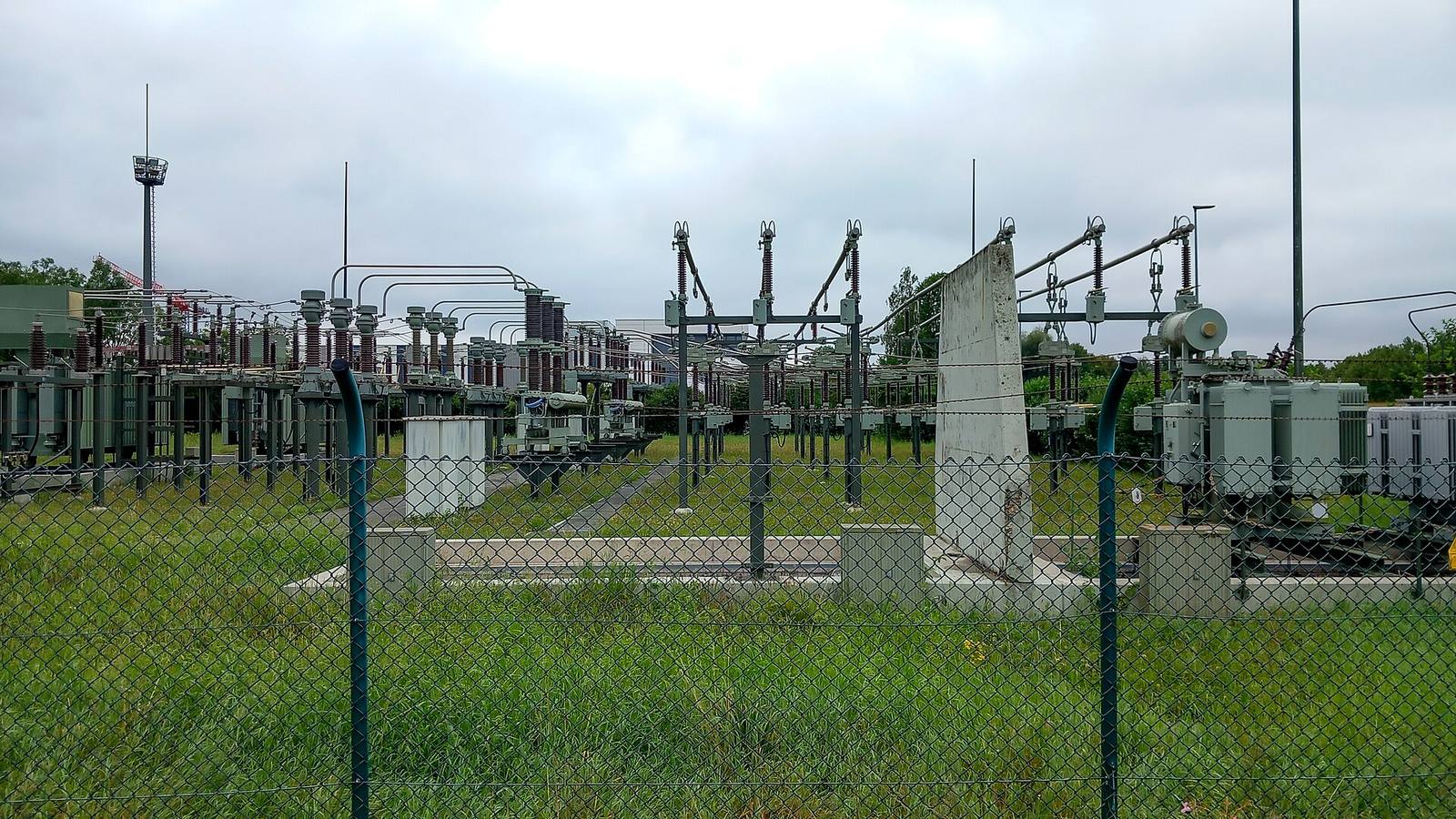
Tyler's mix of oilfield services, manufacturing, and healthcare creates several reasons for transformers to become surplus: equipment changes, building modifications, and distribution upgrades. Texas Electrical Transformer Buyers purchases used and surplus units from owners in Smith County. In this regional East Texas center, also known for its rose-growing heritage, we focus on the equipment you actually own and the steps needed to inspect, disconnect, collect, and pay for it.
Evaluating industrial and building-distribution units
Oilfield-service and manufacturing properties commonly use transformers for shop machinery, motor loads, and facility distribution. Healthcare buildings can have transformers serving downstream electrical systems, although equipment roles vary by installation. Tyler's rose-growing heritage also provides agricultural context without establishing what any particular property owns. Identify the actual transformer type and application instead of relying on the business category. Dry-type and liquid-filled equipment require different condition checks during a purchase review.
Nameplate data should include kVA, primary voltage, secondary voltage, phase, and manufacturer, with serial identification if readable. Provide a wide photograph showing the enclosure and its surroundings, followed by close views of connection areas and visible defects. Explain the reason for removal and whether the unit has a known operating history. If records are incomplete, say so plainly; an unknown condition should not be represented as tested or serviceable equipment.
- Shop and motor-load equipment
- Building-distribution transformers
- Complete ratings and identification
- Known versus unverified condition
Working around occupied Tyler properties
At an occupied commercial or healthcare property, transformer removal must fit the site's electrical and access controls. Your facility team and qualified electrical contractor should establish shutdown boundaries, isolation, and safe disconnection before handling begins. Tell us whether adjacent systems remain operational and whether service corridors or loading areas have restricted use. Purchasing a surplus transformer does not include assuming responsibility for continuity of the building's electrical supply during the removal.
Smith County pickup planning requires a clear route, suitable lifting equipment, and a loading position that can support the work. Indoor units may need controlled movement through equipment rooms; outdoor units may present overhead-clearance or pad-access issues. Share dimensions and available weight information early. We review rigging needs and collection responsibilities with the seller so truck access, contractor work, and facility scheduling are coordinated rather than left to the collection day.
- Facility shutdown boundaries
- Restricted corridor access
- Transformer weight and dimensions
- Loading and rigging coordination
Records that support an inspection-based offer
Maintenance records, test reports, and removal notes can help explain a transformer beyond its nameplate. A unit retired during a capacity upgrade presents different questions from one removed after an electrical fault. Disclose overheating, water exposure, physical damage, and missing parts. For liquid-filled units, include fluid information and available PCB documentation. Do not disturb the enclosure or fluid system simply to gather information that your existing records cannot provide.
Confirm ownership before submitting equipment located at a service entrance or on a leased property. Utility ownership, landlord rights, and contractor authority should be resolved by the parties involved, not guessed from the transformer's location. Once ownership and condition are clear, we can discuss inspection and purchase suitability. Offers remain unit-specific and based on inspection; specifications alone do not establish an amount or guarantee that every submitted transformer will be purchased.
- Maintenance and test records
- Fault and exposure disclosures
- Available PCB documentation
- Confirmed authority to sell
How selling works in Tyler
Send a Tyler equipment summary that connects each transformer to its photographs and current location. State whether it is still in service, awaiting contractor removal, or ready in a storage area. Include the number of units and any deadline affecting access. We discuss the information needed for evaluation and the proposed removal scope. Our role is to buy your surplus equipment, not supply replacements for an upgrade or renovation project.
Payment for a Tyler sale follows the agreed purchase terms, including any inspection and acceptance conditions. Establish the method, timing, equipment identification, and ownership-transfer sequence before handoff. The same agreement should clarify who provides rigging and who coordinates collection access. This gives the seller's maintenance, project, and accounting personnel a defined transaction to follow without treating an initial estimate or informal equipment review as a final purchase commitment.
- Photos matched to each unit
- Service or storage status
- Defined removal scope
- Agreed payment and transfer terms
Common questions
who buys used transformers in Tyler?
Texas Electrical Transformer Buyers buys surplus and used transformers from authorized owners in Tyler and Smith County. Provide photographs, ratings, operating history, and access information for review. The purchase decision and offer depend on the individual unit and inspection, including its condition and the requirements for collecting it safely.
Can a transformer from a healthcare building be evaluated?
Yes, owner-held equipment removed from a healthcare building can be submitted for evaluation. Specify the transformer ratings and condition, and explain the facility's shutdown and access restrictions. Your qualified electrical personnel must handle safe isolation and disconnection. A purchase discussion does not replace the facility's planning for continued electrical service.
Are maintenance records required to start a Tyler sales inquiry?
You can begin with nameplate photographs and an accurate condition description even if maintenance records are unavailable. Existing test reports and service notes are useful when you have them. Clearly identify unknowns, including whether the unit operated before removal. Further inspection may be needed before purchase terms can be established.
What should I clarify before releasing the transformer?
Confirm the agreed equipment identification, purchase amount, inspection conditions, payment method, and payment timing. Also settle ownership transfer, rigging responsibility, and the collection arrangement. These details should be documented before the unit leaves your control. A preliminary review is not a substitute for accepted purchase terms.
Reviewed by the Texas Electrical Transformer Buyers buying desk · Last updated November 13, 2026