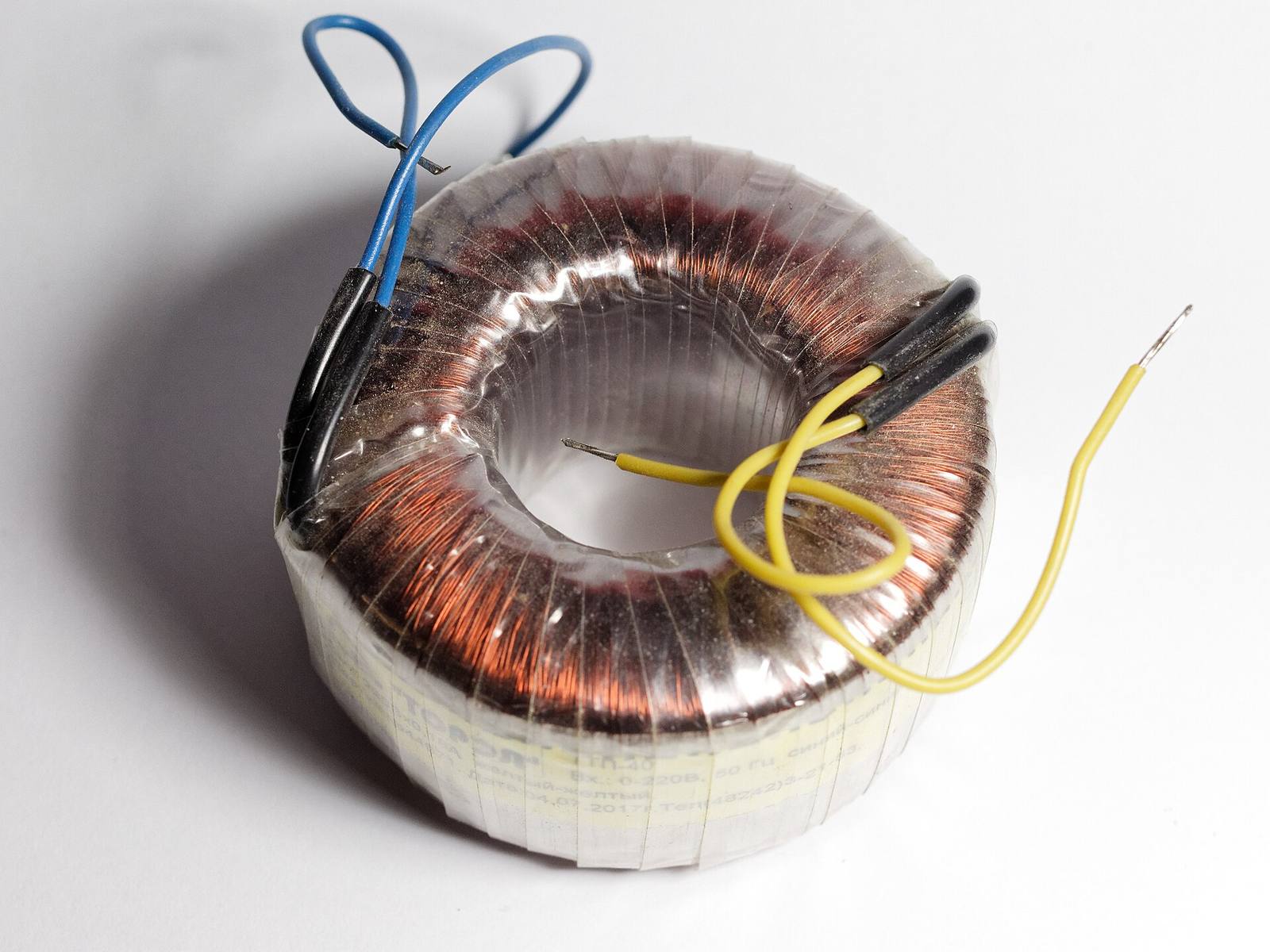
An isolation transformer can retain useful equipment value after the machinery it served has been retired. Separate primary and secondary windings provide galvanic isolation, while certain designs also help limit electrical noise reaching sensitive loads. Texas Electrical Transformer Buyers evaluates surplus and used units from industrial controls, laboratory equipment, medical equipment systems and other applications. If you are responsible for disposition, start with the nameplate, condition photographs and a clear description of what is being removed.
As an isolation transformer buyer, we need to understand more than the enclosure size or estimated weight. The kVA rating, primary and secondary voltages, phase configuration, winding material and insulation condition determine the next steps. Units in this category commonly range from 1 to 1,000 kVA, with substantial differences in construction across that range. We buy equipment for cash, with unit-specific offers based on inspection rather than a universal rate for every transformer.
What we buy
We review single-phase and three-phase isolation transformers with electrically separate windings, including enclosed dry-type units, open-core assemblies and specialty configurations. Equal primary and secondary voltage does not make a transformer an autotransformer; the winding arrangement is what establishes galvanic isolation. Include the rated frequency, voltage taps, enclosure designation and any electrostatic shield information. A shield can help control capacitive coupling, but it does not replace the separation between primary and secondary circuits.
Common nameplates may include Square D, Eaton, Hammond, Acme and other established manufacturers. Brand identification helps locate construction details, but it does not establish condition or guarantee an offer. We also assess custom-built equipment when the electrical ratings and winding arrangement can be documented. For transformers removed from medical or laboratory service, identify any specialized design features without assuming the unit remains suitable for its former application after storage, modifications or removal.
- Single-phase and three-phase configurations
- Separate primary and secondary windings
- Shielded and unshielded designs
- Standard and documented custom units
| Typical capacity | Voltage class | Common applications |
|---|---|---|
| 1 to 1,000 kVA | 0.208 kV to 15 kV | Medical, laboratory and industrial isolation |
Ranges are typical only. Send the nameplate for the actual ratings of your unit.
How we inspect and value
Inspection starts with nameplate verification and a review of physical condition. Copper windings and clean, dry insulation can support value, while overheating, contamination and mechanical damage can reduce it. We look for discolored coils, cracked insulation, loose connections, damaged terminals and evidence of water entry. Dust accumulation matters because it can restrict cooling and contribute to surface tracking, especially when mixed with moisture, oil mist or conductive material from the operating environment.
Available test records help distinguish serviceable equipment from units requiring further investigation. Winding resistance, insulation resistance and transformer turns ratio results can reveal concerns when interpreted against the design, temperature and previous readings. Low insulation resistance alone does not identify the exact defect. We also consider voltage compatibility, capacity, winding material, completeness and handling requirements. Final offers are specific to the unit and based on inspection, not solely on a photograph or stated copper weight.
- Legible ratings and connection diagram
- Clean coils and intact insulation
- Relevant electrical test records
- Complete terminals, covers and hardware
Operating history and failure modes
Describe whether the transformer was operating normally when disconnected, held as a spare or removed following a fault. Overloading and blocked ventilation can age insulation even when the enclosure appears sound. Repeated exposure to moisture may lead to tracking or reduced dielectric strength. A winding-to-winding fault can compromise the isolation function, while a winding-to-ground fault creates a different electrical concern. Neither condition should be diagnosed from exterior appearance alone or dismissed because the unit still energizes.
Load characteristics also matter. Nonlinear loads can increase heating through harmonic currents, and a standard isolation transformer should not be assumed to have a particular K-factor rating unless the nameplate or manufacturer documentation establishes it. Report nuisance trips, unusual vibration, burning odors and any repairs to coils or leads. If an electrostatic shield is present, identify its accessible connection and any known damage. Accurate history allows us to evaluate the unit without overstating its remaining service capability.
- Normal service or fault removal
- Overload and ventilation history
- Moisture, tracking or burn evidence
- Documented repairs and modifications
Removal, documentation and sale preparation
Have qualified personnel isolate the equipment, apply appropriate lockout/tagout procedures and verify absence of voltage before disconnection. An isolation transformer does not make its secondary circuit inherently safe to touch. Photograph terminal markings and connections before leads are removed, and preserve the nameplate and wiring diagram. Keep loose covers and terminal barriers with the unit. For open-core transformers, protect exposed coils from impact, metal debris and weather during staging rather than wrapping wet equipment in impermeable material.
Send overall photographs, close-ups of the nameplate, approximate dimensions and weight, and a description of the loading access. Explain whether the transformer remains inside a cabinet, on an elevated platform or attached to machinery. Lifting arrangements must suit the actual assembly; enclosure panels are not automatically lifting points. Provide available drawings, test reports and maintenance records, along with your planned removal scope. These details let us assess equipment value and handling constraints together before discussing the transaction.
- Photograph labels before disconnection
- Retain barriers and enclosure panels
- Describe access and lifting provisions
- Supply drawings and maintenance records
Common questions
Can I sell an isolation transformer with matching input and output voltages?
Yes, matching voltage ratings do not prevent us from evaluating it. A 480-to-480-volt unit, for example, may provide galvanic isolation through separate windings rather than change voltage. Send the nameplate and connection diagram so we can distinguish its construction from an autotransformer. Capacity, condition, winding material and removal requirements still influence the inspection-based offer.
Do copper windings make an isolation transformer more valuable?
Copper windings can contribute positively to value, particularly when the transformer is complete and its insulation remains clean and dry. They are not the only consideration. A damaged copper-wound unit may have a different disposition than a serviceable transformer with another winding material. Manufacturer records or construction documentation are preferable to assumptions based on exposed leads.
Will you evaluate a transformer that has been stored outside?
We can review it, but outdoor storage raises questions about moisture intrusion, corrosion and insulation condition. Tell us how long it was exposed, whether the enclosure was closed and whether water reached the coils. Photographs and existing test records help with the initial assessment. Do not energize questionable equipment simply to demonstrate that it works.
What records are useful for a specialty medical or laboratory unit?
Provide the original nameplate, wiring diagram, manufacturer specifications and any maintenance or electrical test reports you have. Identify shields, specialized grounding arrangements and modifications made during installation. Prior use in a medical or laboratory setting does not establish current compliance or suitability. Our evaluation concerns the equipment being offered, its documented construction and its present condition.
Should the transformer be disconnected before I contact you?
You can contact us while it is still installed. In-place photographs often preserve useful information about connections, mounting and access that disappears during removal. Explain who controls the shutdown and what disconnection or rigging work is planned. Any electrical isolation must be handled by qualified personnel, and the removal scope should be established before the unit is moved.
Reviewed by the Texas Electrical Transformer Buyers buying desk · Last updated November 13, 2026