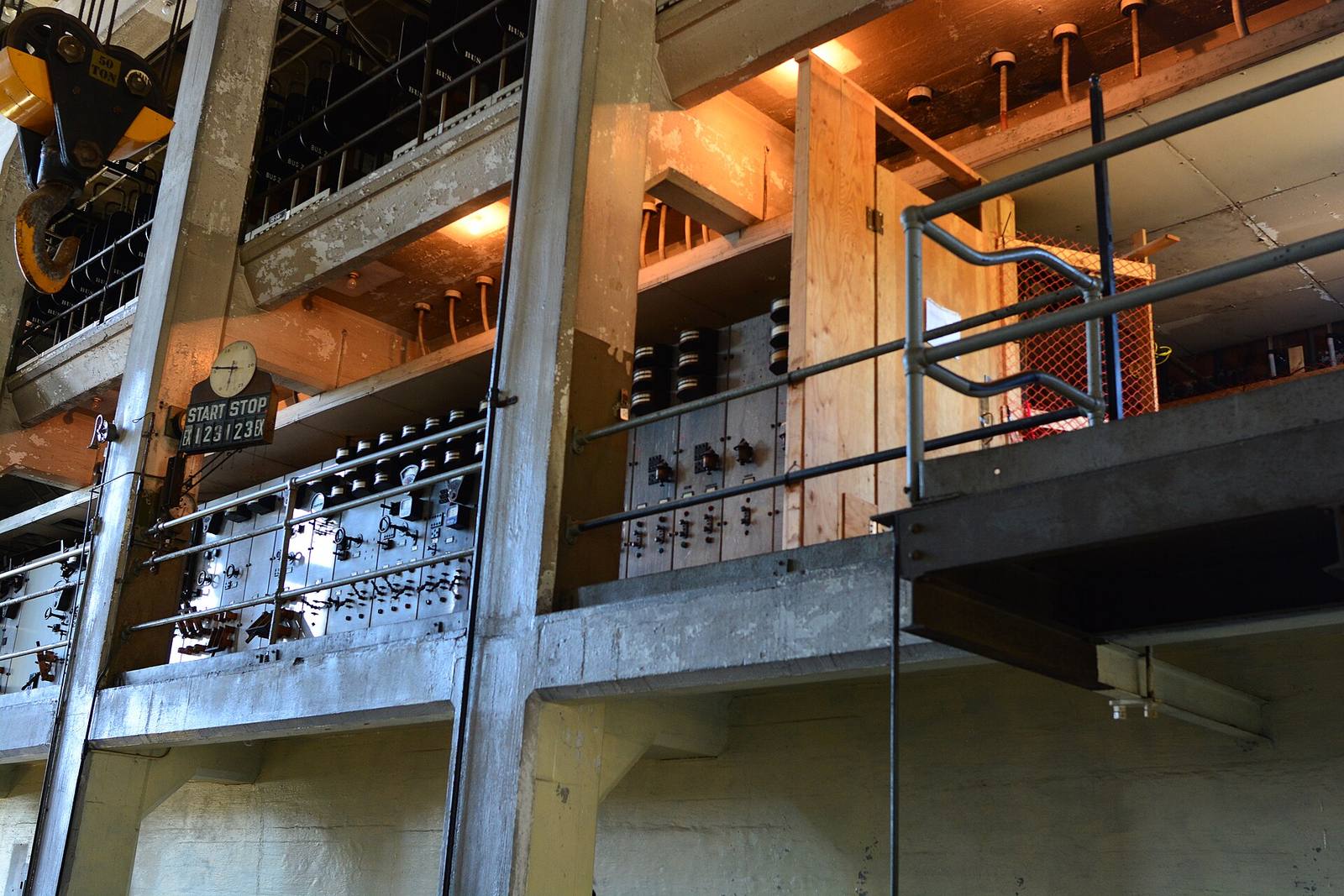
Furnace and rectifier transformers require a more specific review than a general description of used electrical equipment. Texas Electrical Transformer Buyers is a steel mill transformer buyer serving owners, facility managers and contractors disposing of surplus assets from metals operations. We buy transformers for cash, not for a posted price based on category alone. Accurate ratings, configuration details and condition information support an inspection-based offer and a removal plan suited to the equipment.
Define the Transformer Type and Configuration
Steel mills, foundries, forging operations and fabrication shops use transformers for different electrical duties. A furnace transformer, a rectifier transformer and a standard distribution unit are not interchangeable assets. Describe the application and provide the complete nameplate rather than just a capacity figure. Where available, include drawings that identify voltage arrangements, taps and terminal connections. Specialized configuration details help clarify the equipment before anyone evaluates its condition or removal requirements.
Heavy switchgear and connected process equipment can make the sale boundary unclear. State which components belong to the transformer and which remain with the facility, including cooling assemblies, control cabinets or connection hardware. Photograph all accessible sides and identify missing parts. If the transformer has been separated from a larger installation, explain what was disconnected or removed. An accurate component list is more useful than calling the package complete without checking it.
- Furnace or rectifier application
- Voltage and tap information
- Cooling assembly details
- Included and excluded components
Address Upgrades, Turnarounds and Closures
A furnace rebuild, electrical upgrade or change in production capacity may release equipment that no longer fits the process. Describe whether the transformer was replaced for performance requirements, age, damage or a different operating configuration. That distinction matters when reviewing used industrial equipment. If it remains installed until a turnaround, provide the anticipated release window and identify any inspection limits while the adjacent furnace or production line is operating.
Plant closures and department shutdowns often involve several transformers alongside switchgear and other heavy assets. Keep a unit-level record so ratings, condition and ownership remain clear throughout removal. Contractors should obtain the owner's disposition approval and identify equipment reserved for continued utilities or other work. For a phased closure, explain which units become available first and which must stay in service until production or demolition reaches a later stage.
- Furnace rebuild replacements
- Electrical capacity upgrades
- Turnaround release windows
- Phased closure availability
Disclose Service History and Handling Requirements
Specialized transformer service makes operating and maintenance records particularly helpful. Send available electrical tests, oil analysis, repair reports and documentation of tap-changer or cooling-system work. Note known overheating, protection trips or other faults without presenting an unverified diagnosis as fact. If the unit was removed after a failure, explain what is known and what remains uncertain. We evaluate the actual equipment rather than assuming all transformers from a metals facility share the same condition.
Fluid-filled equipment also requires clear environmental information. Supply the fluid type and existing PCB records when available, and identify leaks or damaged containment components. The owner and qualified contractors need to resolve applicable isolation, fluid-handling and transport requirements before removal. Inspection may reveal issues that affect the purchase scope or require further testing. No offer should be treated as a promise based solely on photographs, an estimated weight or an undocumented operating claim.
- Electrical and oil test reports
- Tap-changer maintenance records
- Known faults or overheating
- Fluid and PCB documentation
Establish a Practical Heavy-Equipment Removal Plan
Transformers near furnace bays or inside electrical rooms can present difficult lifting and access conditions. Provide the unit's dimensions, documented weight and location within the building. Identify door openings, overhead structures, floor restrictions and the proposed loading route. Do not assume a building crane or forklift is suitable without verification by the responsible personnel. The equipment's lifting provisions and the site's available space need to be considered together when planning removal.
Pickup coordination should follow the facility's production and contractor schedule. Confirm who performs electrical disconnection, separates process connections, handles rigging and loads the truck. Explain whether hot work, nearby furnace operations or active traffic restrict the work area. We discuss pickup after reviewing the transformer and removal conditions, rather than committing to an unsupported date. A defined handoff point helps prevent confusion between the seller's preparation work and the agreed collection scope.
- Verified equipment dimensions
- Documented lifting weight
- Crane and loading access
- Clear contractor responsibilities
Common questions
Do you review furnace and rectifier transformers?
Yes. Provide the complete nameplate, application details, configuration information and photographs of the transformer and its associated components. These units need an individual technical review because their electrical arrangements can differ substantially. Include available drawings and maintenance records. Any offer depends on inspection and the specific equipment, not simply its designation as a furnace or rectifier transformer.
Can a transformer be offered after a furnace failure?
You can submit it for evaluation, but disclose the failure circumstances and any known transformer damage. Include test reports, inspection findings and photographs when available. A furnace incident does not establish the transformer's condition in either direction. We need to distinguish verified information from assumptions before determining whether a purchase is appropriate and what further inspection is needed.
Should cooling equipment stay with the transformer?
Identify all cooling equipment originally associated with the unit and tell us what is still available. Do not discard or separate components solely to simplify the sale before the package has been reviewed. Missing cooling assemblies, controls or connection hardware may affect the evaluation. The agreed purchase scope should specify which components transfer with the transformer.
Who is responsible for rigging inside the plant?
Rigging and loading responsibilities must be defined during removal planning; they should not be assumed. Describe your available lifting equipment, contractor arrangements and access limitations. The parties need to agree on the handoff condition and collection scope before scheduling pickup. Qualified personnel must handle isolation and any lifting work in accordance with the facility's requirements.
Reviewed by the Texas Electrical Transformer Buyers buying desk · Last updated November 13, 2026