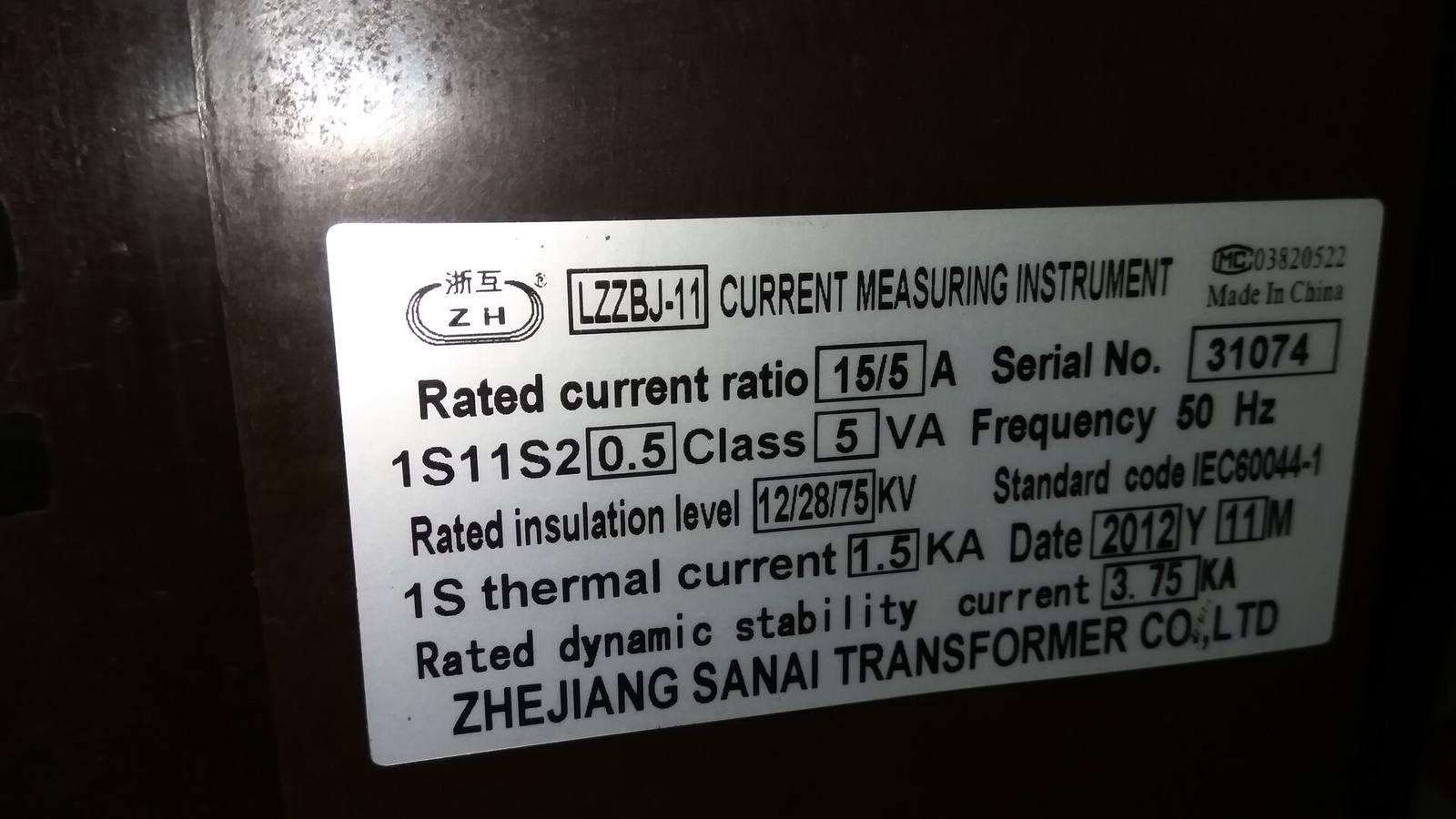
A transformer’s nameplate is the starting point for a buying evaluation, not a complete condition report. It identifies the equipment’s electrical ratings, construction details, and design limits so we can determine what you own before discussing inspection or removal. Clear transformer nameplate data helps prevent costly misunderstandings, such as treating a winding voltage as an operating voltage or assuming a listed rating applies under every cooling condition.
Before gathering information, establish whether the unit is energized, disconnected, or already removed from service. Do not open an enclosure, reach past barriers, or enter restricted electrical space just to obtain a better photograph. Have qualified electrical personnel handle access that requires isolation or exposure to electrical hazards. An exterior photograph taken from a permitted position is more useful than an unsafe attempt to capture every marking.
Texas Electrical Transformer Buyers buys surplus and used transformers; this guide explains the information we need from owners, facility managers, and removal contractors. Start with readable photographs, then add operating history, available records, and access details. Any cash offer is unit-specific and based on inspection. A complete information package improves the evaluation, but neither a familiar manufacturer nor a large kVA rating establishes value by itself.
Record Identity and Basic Electrical Ratings
Copy the manufacturer, serial number, and year exactly as shown, including letter prefixes and suffixes. Keep the serial number separate from a catalog number, drawing number, or facility asset tag. Record rated capacity in kVA or MVA without silently converting units. If the plate gives several capacities, preserve each rating and its associated cooling designation. These details help distinguish the actual unit from similar equipment and connect it with drawings, maintenance records, or manufacturer documentation.
Next, capture primary and secondary voltage, number of phases, and frequency in Hz. Include every listed winding voltage, particularly on equipment with multiple secondaries or reconnectable windings. Do not substitute the facility’s nominal service voltage for the plate rating. A three-phase unit rated for 60 Hz is not described adequately by capacity alone. If the markings are ambiguous, send the full plate image and let qualified personnel interpret the winding arrangement rather than guessing.
- Manufacturer, serial number, and year.
- Capacity with original kVA/MVA units.
- Every primary and secondary voltage.
- Phase count and frequency.
Capture Connection, Impedance, and Tap Information
Photograph the winding connection diagram and record the stated connection, such as delta or wye, along with terminal markings and any vector-group designation. Note whether a neutral terminal is shown, but do not assume it is accessible or connected in the installed arrangement. Include percent impedance and any stated reference capacity or temperature. Impedance affects application suitability and fault-current calculations; it is not a shorthand measure of transformer health or remaining service life.
Record the full tap range, individual tap voltages or percentages, and any indication of a de-energized tap changer or load tap changer. The available tap positions and the selected position are different facts. Report the current position only when it is documented or safely visible to authorized personnel. Never operate a tap mechanism for a sales inquiry. Qualified electrical personnel should verify settings and interpret unclear diagrams before anyone relies on them for an application.
- Full winding connection diagram.
- Impedance percentage and reference basis.
- Tap range and position labels.
- Tap changer type, if identified.
Document Cooling, Insulation, Fluid, and Weight
Include the cooling class exactly as printed, whether the plate uses older designations or newer codes. List temperature rise and insulation class separately; they describe different design characteristics and should not be treated as interchangeable limits. On units with fans or pumps, photograph the equipment and any additional rating plates. A higher cooling-stage rating may depend on accessories being present and functional, so identify missing fans, damaged radiators, or disconnected controls without attempting an operational test.
For liquid-filled equipment, record the oil or insulating-fluid type, fluid quantity if listed, and all stated weights. Distinguish total weight from core-and-coil weight, shipping weight, and fluid weight. These figures support handling planning, but a rigger must confirm the actual lift configuration. If fluid type is unknown, label it unknown. A nameplate alone does not establish present fluid condition or PCB status; available records and appropriately obtained laboratory results may be needed.
- Cooling class and associated ratings.
- Temperature rise and insulation class.
- Oil type and fluid quantity.
- Weight labels and stated units.
Take Photographs That Preserve the Details
Begin with an overall photograph showing the unit and where the nameplate sits. Then take a straight-on image of the complete plate, keeping all edges in frame. Use the camera’s highest practical resolution and check that small characters remain readable when enlarged. Take additional close-ups of dense tables, diagrams, and damaged areas. Several overlapping photographs are preferable to one tightly cropped image that loses the serial number, footnotes, or rating conditions.
Reduce glare by changing your camera angle or using diffuse ambient light while remaining in an authorized location. Avoid filters, image sharpening that alters characters, and screenshots that reduce resolution. Do not scrape, solvent-clean, or remove a plate to improve readability. If surface contamination prevents a useful photograph, ask site personnel whether a qualified worker can safely clean it under an approved procedure. Retain the original files and identify which photographs belong to each transformer.
- One overview linking plate to unit.
- One complete, readable plate image.
- Close-ups of tables and diagrams.
- Original files labeled by asset.
Build a Useful Package When Information Is Missing
If the plate is absent or unreadable, document that limitation immediately rather than filling gaps with estimates. Photograph exterior markings, asset tags, terminal labels, accessory plates, and the overall construction from safe positions. Search facility files for purchase records, approved drawings, test reports, and maintenance documents that match the unit’s serial number or another reliable identifier. A nearby transformer’s plate is not a substitute, even when the enclosures look identical. Keep confirmed facts separate from unverified records.
Send the available documentation with a concise condition summary: service status, reason for removal, known faults, visible leaks, storage exposure, and included accessories. Also describe access restrictions and whether disconnection or lifting remains necessary. Missing ratings can narrow potential reuse and require professional testing or manufacturer research before evaluation can proceed. We weigh verified specifications against condition and removal requirements; electrical testing, fluid sampling, and lifting plans belong with qualified professionals, not improvised seller checks.
- Mark missing fields as unknown.
- Match records to reliable identifiers.
- Disclose faults and missing accessories.
- Describe access and removal scope.
Common questions
Can you evaluate a transformer from a nameplate photograph alone?
A readable plate can support an initial review of identity and ratings, but it cannot show internal condition, operating history, or removal difficulty. Include overall photographs, known issues, service status, and available maintenance records. We may need additional documentation or inspection before making an offer. Offers are specific to the unit and based on inspection, not simply its capacity or manufacturer.
What should I do if two plates show different capacities?
Photograph both plates completely and show where each is mounted. Different capacities may correspond to cooling stages, replacement components, or separate equipment, rather than an actual contradiction. Do not choose the larger figure for your submission. Provide matching serial numbers, diagrams, and records where available, and have qualified personnel resolve discrepancies before the ratings are used for engineering or operating decisions.
Should I arrange electrical tests or oil sampling before contacting you?
Share existing test reports and fluid records first, including dates and the unit identifiers on each report. You do not need to improvise new tests to start a discussion. Additional testing should address a specific information gap and be coordinated with qualified professionals. Sampling and testing can involve electrical exposure, fluid handling, and equipment access, so establish the required scope before authorizing that work.
Reviewed by the Texas Electrical Transformer Buyers buying desk · Last updated November 13, 2026