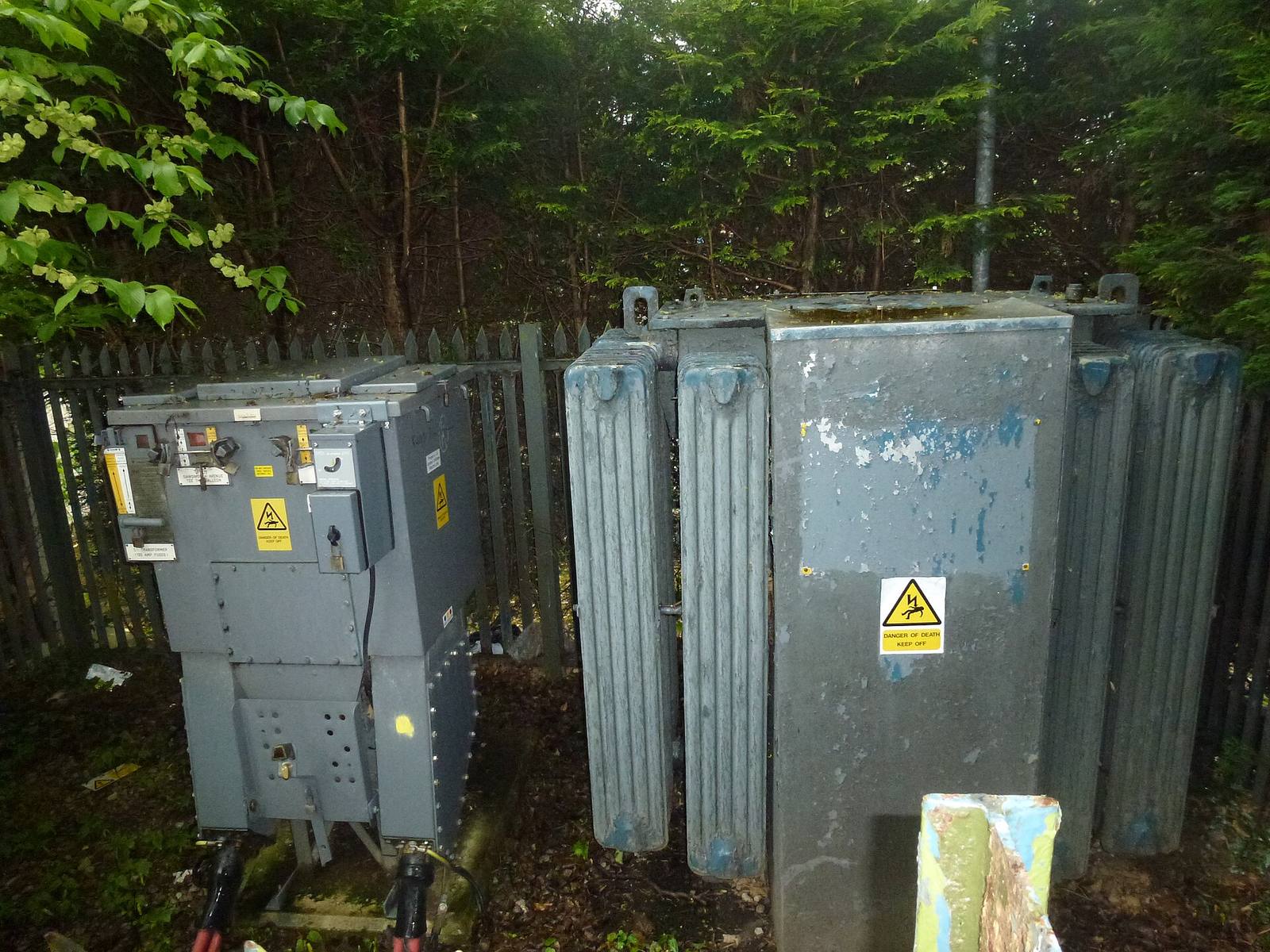
A transformer can leave service in usable condition and become a harder sale while sitting in storage. Moisture, damaged bushings, lost accessories, and incomplete records create uncertainty that a buyer must account for. Good transformer storage is not about making old equipment look new. It is about preserving the condition you can document, preventing avoidable deterioration, and keeping the unit accessible for inspection and eventual removal.
Preserve the enclosure and insulation system
Start with the equipment type rather than a generic instruction to cover everything. A liquid-filled transformer depends on tank integrity, seals, and the manufacturer's requirements for fluid level and pressure. A dry-type unit needs protection from moisture, dust, and contamination around its windings and insulation. Outdoor construction does not mean every opening, damaged gasket, or exposed terminal can tolerate indefinite exposure without consequences for condition or inspection.
Before choosing a storage location, have qualified personnel check for leaks, broken bushings, missing covers, and evidence of water entry. A tarp may reduce direct rain exposure, but poorly arranged covering can trap condensation or conceal a developing leak. Follow the manufacturer's storage guidance where available. Do not add fluid, operate valves, or alter pressure simply to prepare for a sale; those actions require appropriate technical assessment and documentation.
- Identify liquid-filled or dry-type construction.
- Check covers, seals, and bushings.
- Keep drainage paths unobstructed.
- Record leaks before moving equipment.
Treat handling damage as a preventable loss
A storage move can damage an otherwise marketable transformer if crews lift from the wrong points or place it on unstable ground. Bushings, cooling fins, radiators, and external cabinets are not substitutes for designated lifting provisions. Confirm the unit's weight and handling requirements before selecting equipment. If the weight is unknown, establish it through reliable documentation rather than asking a forklift operator to judge the load by appearance alone.
Position the transformer so an inspector can see its nameplate and major components without climbing over unrelated material. Leave realistic access for lifting equipment and a transport vehicle, not just enough room for a person to pass. A unit behind several other machines may require extra handling before shipment. That added work can affect the economics of a sale even when the transformer itself has suffered no physical deterioration.
- Use designated lifting points.
- Provide stable, suitable support.
- Protect protruding components.
- Maintain an accessible removal route.
Keep records and accessories tied to the unit
Storage often separates a transformer from the information that makes it identifiable. Photograph the nameplate while it remains readable, and keep the serial number linked to maintenance records, available test results, and the reason for removal. Voltage ratings, kVA, phase, and configuration help establish whether further evaluation is worthwhile. A clear record of known defects is more useful than an unsupported statement that the equipment worked when it was disconnected.
Keep removed accessories identified and protected, including panels, terminal covers, fans, and control components where applicable. A disconnected fan assembly sitting elsewhere in the warehouse can become a missing part during inspection. For liquid-filled equipment, retain available fluid test reports and PCB-related records without assuming they resolve every handling requirement. Original records should remain traceable to the specific unit, especially when several similar transformers share the same storage area.
- Photograph each complete nameplate.
- Label loose parts by serial number.
- Retain dated condition reports.
- Separate verified facts from assumptions.
Prepare for inspection before paying for restoration
Cosmetic work is not automatically money well spent. Fresh paint will not establish insulation condition, repair an internal fault, or replace missing test history. Cleaning that makes labels and components visible may help, but avoid work that obscures corrosion or leakage evidence. Before commissioning repairs solely for resale, ask a prospective buyer which information is needed and whether the proposed work could materially change the unit's evaluation or removal requirements.
Build a sale package with current photographs, specifications, known condition, storage history, and access details. Explain whether the equipment is disconnected and who controls its release. Texas Electrical Transformer Buyers evaluates surplus and used equipment for purchase; offers are unit-specific and based on inspection. The practical takeaway is to preserve evidence and access first, then decide whether further testing or repairs are justified by the likely benefit to the sale.
- Photograph condition before cleanup.
- Describe the storage environment.
- Disclose known faults and omissions.
- Confirm inspection and loading access.
Common questions
Can a transformer stored outdoors still be sold?
Outdoor storage does not automatically make a transformer unsuitable for purchase. Evaluation depends on its design, enclosure integrity, exposure history, and current condition. Provide photographs of the tank or enclosure, bushings, nameplate, and any leaks or corrosion. A buyer may need additional inspection or testing to distinguish superficial weathering from damage affecting electrical or mechanical condition.
Should I test a stored transformer before requesting an offer?
Start by sharing existing records and current photographs. New testing can be useful when storage conditions or a known fault leave important questions unanswered, but the appropriate tests depend on the transformer and its history. Discuss the information needed before paying for a test package. Qualified personnel should perform any testing, and test results do not replace a buyer's inspection.
Reviewed by the Texas Electrical Transformer Buyers buying desk · Last updated November 13, 2026