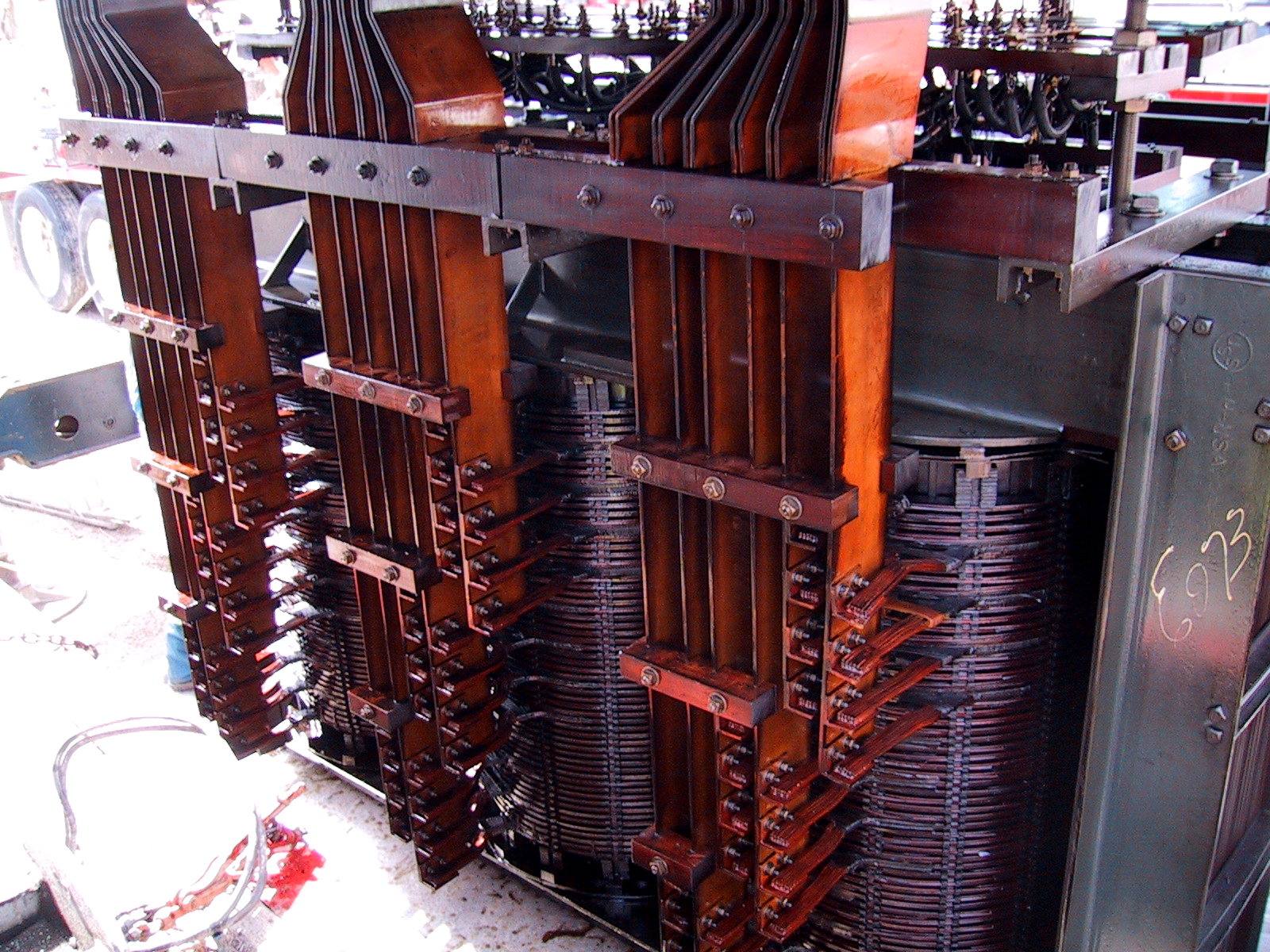
A transformer’s shipping weight is not a reliable measure of what its owner can recover in a sale. That weight includes the tank, insulating fluid, core, windings and accessories, each with different handling requirements and recovery economics. Transformer scrap value depends on what is actually inside the unit, its condition and the work required to remove it. Before authorizing demolition or draining, compare the value of selling the intact equipment with the likely net return from material recovery.
Winding Material Matters More Than Gross Weight
Copper and aluminum windings create different recovery expectations, but neither should be assumed from the transformer’s size or age. A nameplate may identify winding material; otherwise, manufacturer records or construction drawings can help. Total weight alone cannot establish conductor weight because the core, tank and oil may account for much of the load. For example, two units with similar shipping weights can contain different conductor materials and substantially different quantities of recoverable metal.
For a seller, the practical tradeoff is between proving material content and preserving the equipment’s intact condition. Opening a tank or cutting leads simply to verify copper can introduce contamination, create handling obligations and reduce opportunities for equipment reuse. Send clear nameplate photographs and any available winding information first. If the material remains uncertain, identify that uncertainty rather than estimating copper content from dimensions. An offer should reflect verified information and inspection, not an optimistic metal calculation.
- Photograph the complete nameplate
- Locate winding material records
- Separate total and oil weights
- Avoid destructive verification
Core Steel Is Not Equivalent to Clean Structural Scrap
Transformer cores commonly use thin electrical steel laminations designed to limit magnetic losses. Those laminations are not the same product as ordinary plate or structural steel, and their recovery value depends on the receiving processor’s specifications. Coatings, attached conductors and the labor needed to separate the assembly affect the outcome. The external tank also belongs in the calculation, but treating every pound of core and enclosure as equally marketable steel oversimplifies the recovery process.
Dismantling can improve material separation, yet it also adds labor, equipment use and exposure to residual fluid. A disconnected transformer sitting on an accessible pad presents a different removal scope from one inside a confined electrical room. Before comparing an intact purchase offer with a scrap estimate, ask whether the estimate deducts cutting, lifting, loading and processing costs. A higher theoretical material total does not necessarily leave the owner with a higher net recovery.
- Identify core and tank separately
- Describe equipment access
- Account for dismantling labor
- Compare net recovery
Oil Condition Can Change the Entire Recovery Plan
Insulating fluid is a handling responsibility, not an automatic credit against the transformer’s weight. Fluid type, quantity, leaks and analytical results influence how the equipment can be transported and processed. Mineral oil and alternative insulating fluids should be identified accurately because their handling requirements can differ. For older or undocumented equipment, PCB status may require attention. Appearance alone cannot establish whether oil is suitable for a particular recovery or disposal pathway.
Existing laboratory reports are useful when they clearly identify the sampled transformer and collection date. A report from another unit on the same site does not establish this unit’s fluid status. If records are missing, discuss the information needed before arranging sampling or draining. Removing oil without an agreed plan may leave the seller responsible for a separate waste stream while also changing the buyer’s removal scope. Applicable environmental requirements still govern handling and disposal.
- Identify the insulating fluid
- Provide unit-linked oil reports
- Disclose leaks and prior draining
- Agree on fluid handling
Compare an Intact Equipment Offer With Scrap Economics
A transformer retired during a capacity upgrade may still have equipment value, while a severely damaged unit may be evaluated mainly for recoverable materials. Electrical ratings, test history, physical condition and market suitability help distinguish those cases. Even an idle transformer should not be described as operational without supporting information. Conversely, retirement from one installation does not by itself make the unit scrap. Preserve the records and accessories that allow a buyer to assess both possibilities.
Prepare one package containing nameplate images, overall photographs, condition notes, oil information and the removal constraints. Tell Texas Electrical Transformer Buyers whether the unit is energized, disconnected or already staged for loading. Our offers are unit-specific and based on inspection. Compare proposals using the same boundaries: who handles draining, who supplies lifting equipment and what remains on site. That comparison is more useful than multiplying the transformer’s gross weight by a quoted metal rate.
- Preserve equipment records
- State electrical status
- Define removal responsibilities
- Compare matching work scopes
Common questions
Can I estimate the copper weight from the transformer nameplate?
A nameplate may identify winding material, but total or shipping weight generally does not establish copper weight. Fluid, core steel, the tank and accessories contribute to the total. Manufacturer construction records may provide better detail. Send the available information without converting gross weight into an assumed copper quantity; inspection may be needed to resolve missing material information.
Should I drain the oil before asking for an offer?
Do not drain it solely to prepare for a sale without first agreeing on the handling scope. Draining changes the equipment condition and creates a fluid stream that needs proper containment, characterization and management. Provide the oil type, available test results and leak information first. If draining is necessary, clarify responsibility for the work, transport and any required disposal documentation.
Reviewed by the Texas Electrical Transformer Buyers buying desk · Last updated November 13, 2026