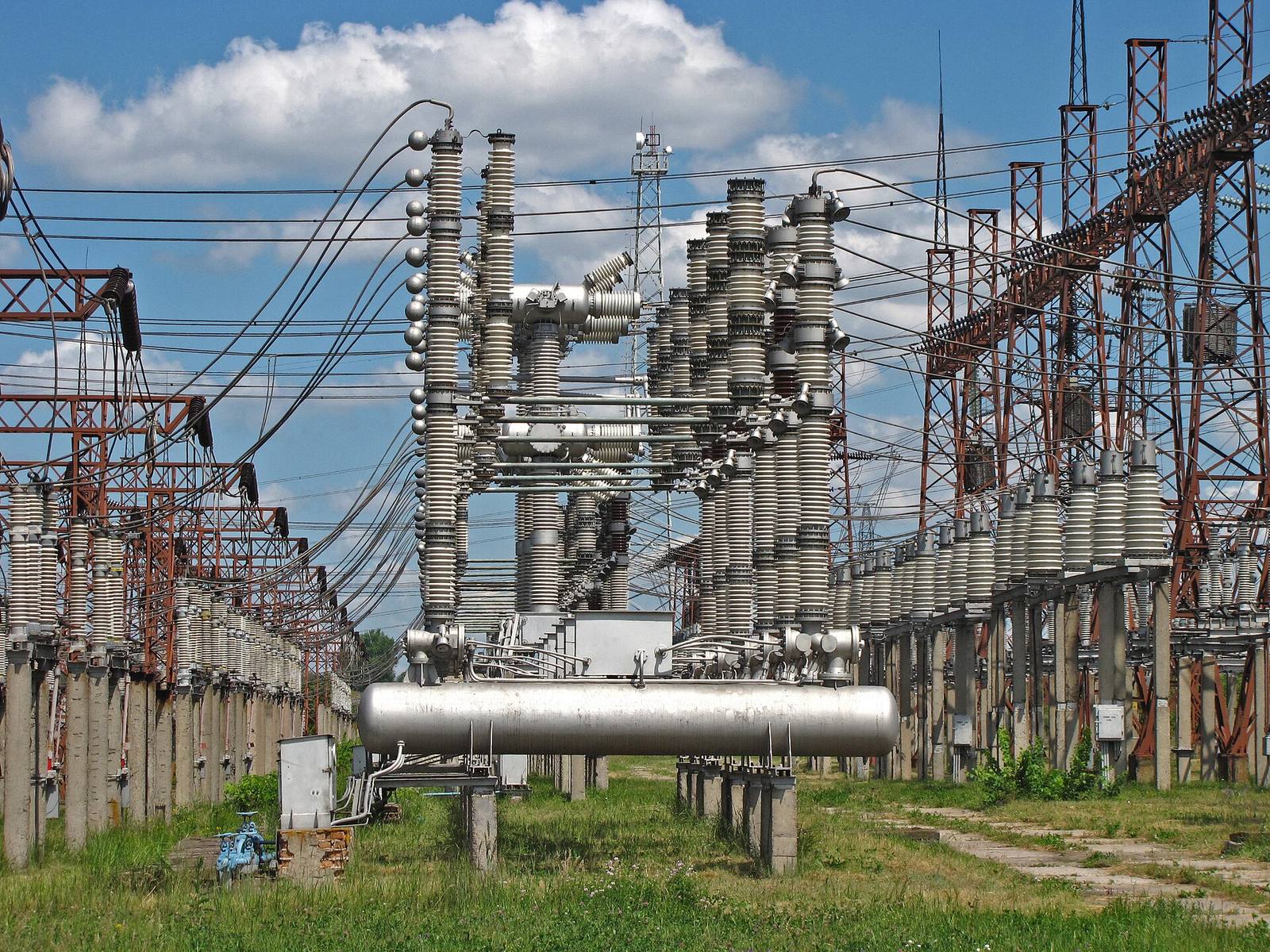
Industrial power requirements influence transformer buying, but broad market activity does not make every surplus unit equally desirable. Texas transformer demand is best understood through the specific equipment a facility needs: voltage, capacity, impedance, construction, and installation compatibility. If you are selling a transformer after an expansion, shutdown, or system upgrade, the useful question is not simply whether demand exists. It is whether your unit's specifications and condition support a practical next application.
Load Growth Creates Equipment Needs, Not Universal Interchangeability
Adding production equipment, electric process heating, or other substantial loads can push an existing electrical system beyond its planned capacity. That can create a need for different transformer ratings, but kVA alone does not establish a match. A prospective application also has requirements for primary voltage, secondary voltage, phase, impedance, and protection coordination. A surplus transformer that misses one critical requirement may remain unsuitable even when its capacity appears adequate.
Consider a facility replacing a transformer to accommodate additional motor loads. Its retired unit may still be serviceable, but its usefulness elsewhere depends on more than the fact that it operated successfully before removal. Motor-starting performance, available fault current, and voltage requirements need engineering review in the receiving application. For the seller, the takeaway is straightforward: submit the complete nameplate rather than describing the equipment only as a large industrial transformer.
- Lead with exact voltage ratings.
- Include kVA and impedance.
- Identify phase and frequency.
- Explain why it was retired.
Project Schedules Can Favor Existing Equipment, With Important Limits
When a project schedule conflicts with new-equipment procurement, available used equipment may receive closer consideration. That does not mean every removed transformer offers a shortcut. Inspection, testing, transportation, installation engineering, and any required repairs still take planning. Equipment without condition records can introduce uncertainty that undermines the scheduling advantage. Sellers should distinguish between a transformer that is physically present and one that is documented, accessible, and ready for a defined removal process.
Availability also has a practical meaning. A transformer still serving an operating plant cannot be treated the same as a disconnected unit in storage, even if both are offered for sale. Provide the expected release date and identify any shutdown dependencies. If an upgrade schedule is uncertain, say so. Clear timing information allows a buyer to evaluate the opportunity without assuming that an operational asset can leave your site immediately.
- State the equipment release date.
- Identify shutdown dependencies.
- Supply recent condition records.
- Describe loading and access constraints.
Changing Electrical Designs Can Reduce the Fit of Older Units
Industrial electrical systems change as facilities revise distribution layouts, add variable-frequency drives, or alter process loads. These changes can make certain transformer characteristics more important in a particular application. Harmonic loading, temperature rise, cooling arrangements, and grounding requirements may all enter the engineering decision. An older transformer is not automatically obsolete, but its original design and available documentation must be considered rather than assumed to suit a newer load profile.
Physical configuration can narrow the field further. A liquid-filled outdoor unit is not a direct substitute for an indoor dry-type transformer merely because their electrical ratings resemble each other. Enclosure requirements, clearances, cable entry, fire considerations, and foundation dimensions can change installation feasibility. Give the buyer photographs of the terminals, enclosure, and mounting arrangement. Those details help distinguish broadly useful equipment from a unit whose next application would require substantial adaptation.
- Specify dry-type or liquid-filled construction.
- Document cooling and temperature rise.
- Photograph terminals and cable entry.
- Provide overall dimensions and weight.
Sell on Documented Fit Rather Than Market Headlines
General reports about industrial expansion or electrical equipment constraints do not establish the value of a particular transformer. A buyer still has to assess condition, likely usability, repair exposure, and removal expense. Two units with the same kVA rating can lead to different offers because their voltages, winding materials, test histories, or access conditions differ. Treat market commentary as background, not as a substitute for a complete description of your asset.
For a Texas seller, the strongest approach is to document the equipment before an upgrade or demolition schedule strips away useful information. Photograph the nameplate while it is accessible, retain maintenance reports, and record whether the unit was operating normally when removed. Texas Electrical Transformer Buyers purchases surplus and used transformers for cash. Offers are unit-specific and based on inspection, so accurate specifications and an honest condition history are more useful than assumptions about statewide demand.
- Preserve records before removal.
- Disclose storage conditions and duration.
- Keep ratings separate from assumptions.
- Evaluate the complete removal cost.
Common questions
Does stronger industrial demand mean my surplus transformer will bring a higher offer?
Not necessarily. Broad demand matters only when the transformer fits a credible application and its condition supports recovery. Uncommon voltages, missing records, costly repairs, or difficult removal can outweigh favorable market conditions. The offer must account for the individual unit and inspection findings rather than relying on a general trend.
Can I request an evaluation while the transformer is still operating?
Yes. You can provide nameplate photographs, maintenance information, operating history, and a proposed release date before disconnection. Clearly state that the unit remains in service and identify any schedule uncertainties. An operating history can be useful, but it does not replace inspection or establish that the equipment can be removed without qualified electrical and rigging work.
Reviewed by the Texas Electrical Transformer Buyers buying desk · Last updated November 13, 2026