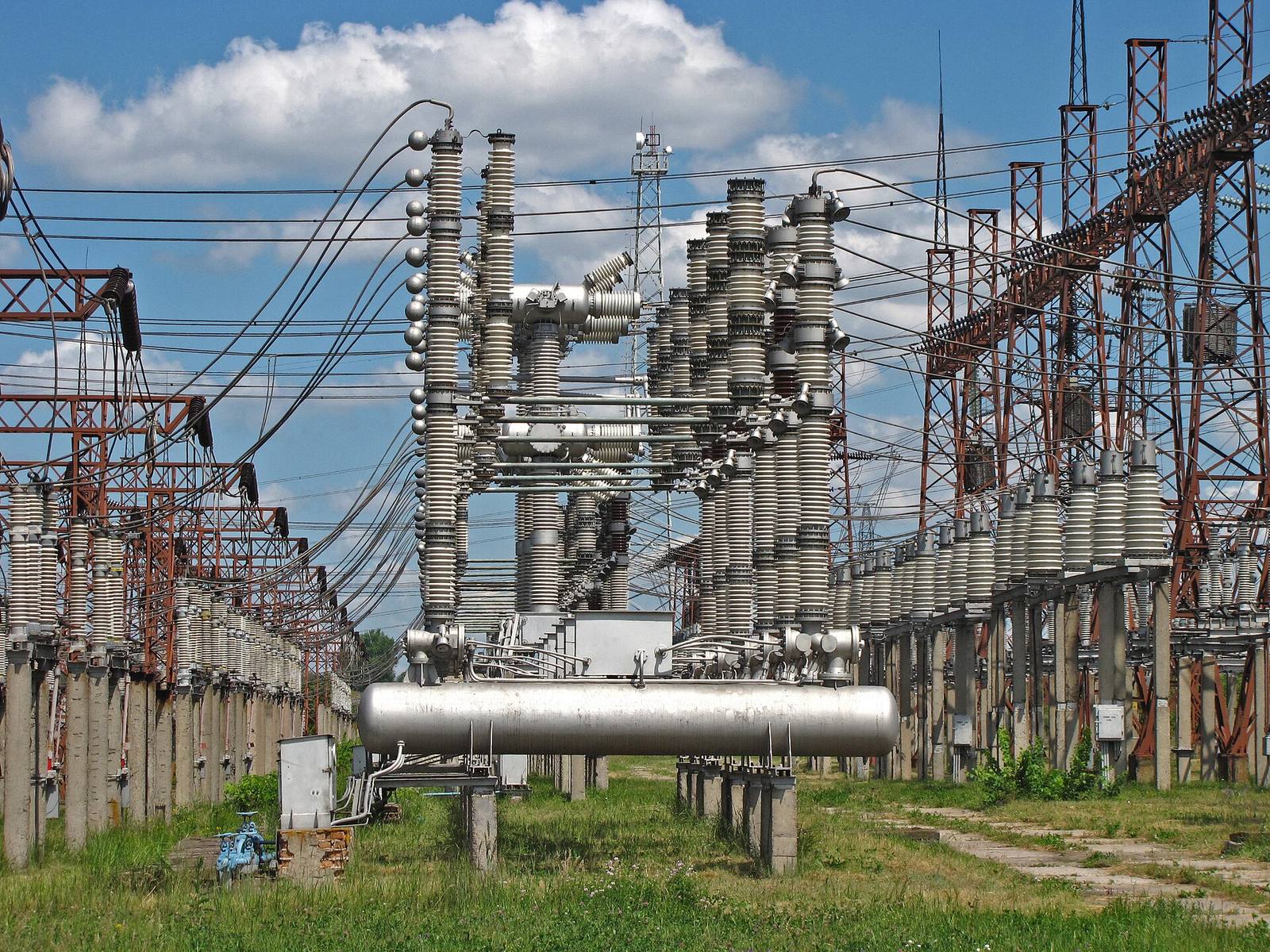
When a transformer is retired, the connected switchgear often becomes part of the same disposal decision. Selling only the transformer can leave the owner with a lineup that still needs identification, dismantling, and removal. A used switchgear buyer needs more than a photograph of closed cabinet doors. The useful question is whether the transformer and associated electrical equipment can be presented as a defined, documented lot without hiding differences in condition or ownership.
Define the lot before discussing a buyout
Start at the equipment boundary. Identify the transformer, connected switchgear sections, breakers, switches, bus components, relays, and loose spares proposed for sale. Distinguish equipment that is retired from equipment that still serves another load. A transformer replacement does not necessarily make the entire downstream lineup surplus. Mark included sections on a drawing or photograph, and confirm who has authority to release them before removal planning or a detailed purchase evaluation begins.
Texas Electrical Transformer Buyers reviews transformer-related equipment from the seller's side of the transaction: what is available, what condition it is in, and what can reasonably be inspected. A combined lot can simplify the owner's disposal scope, but it may also contain sections with different reuse prospects. Keep the equipment list itemized even when requesting a package review. That allows the discussion to address incomplete compartments, retained breakers, or excluded accessories without treating the whole room as one asset.
- Mark the sale boundary.
- Identify equipment still in service.
- List loose breakers and spares.
- Confirm release authority.
Ratings and construction determine practical fit
Switchgear is application-specific equipment, not a generic steel enclosure. Record the lineup's voltage and current ratings, short-circuit information, manufacturer, and model. Identify whether it is low-voltage equipment or medium-voltage construction, and describe breaker or switch types from labels and records. Equipment terminology matters: a panelboard, switchboard, and switchgear lineup should not be assigned the same category simply because each contains bus and switching devices behind metal doors.
Photograph breaker nameplates separately because individual devices may have ratings and trip-unit details that are not obvious from the lineup plate. Drawout construction, compartment arrangement, bus configuration, and available cable space can affect potential reuse. Complete drawings help, but they must match the actual equipment after modifications. A compact lineup might be easier to transport yet harder to adapt to another installation. Size is therefore a handling factor, not a reliable substitute for technical compatibility.
- Capture lineup and breaker ratings.
- Identify construction and device types.
- Provide current one-line drawings.
- Document alterations to the original assembly.
Show internal condition without creating a safety risk
Closed-door photographs establish quantity and general appearance, but they rarely show bus condition, missing parts, or compartment damage. Obtain interior photographs only after qualified personnel establish safe access under site procedures. Look for water intrusion, corrosion, overheated connections, damaged insulation, and evidence of an arc event. Report those findings directly. Equipment removed during an orderly capacity upgrade deserves a different explanation from a lineup taken out of service following a failure.
Maintenance and test records can reduce uncertainty when they correspond to the equipment being offered. Useful documents may include breaker maintenance reports, insulation resistance results, relay information, and records of repairs. None of these automatically establishes readiness for another installation. Missing breakers, removed shutters, disconnected wiring, or altered interlocks should be listed explicitly. A seller gains more from accurate disclosure than from a broad 'working when removed' statement that leaves inspection questions unresolved.
- Arrange safe interior access.
- Disclose water and arc damage.
- Identify missing safety components.
- Match records to actual sections.
Protect value during dismantling and staging
A lineup may need separation into shipping sections to leave the building. That work can preserve reuse options or destroy them, depending on how bus joints, wiring, and hardware are handled. Have qualified personnel document connections, label adjoining sections, and retain reusable joining hardware where appropriate. Cutting through bus or control wiring without a plan can change the equipment's evaluation materially. Clarify the intended removal method before demolition crews begin reducing the assembly into manageable pieces.
Give the buyer an accurate account of access, doorway dimensions, lifting constraints, and the condition of the staging area. Identify whether the transformer and switchgear will be available together or on separate removal dates, without assuming a collection commitment. For the seller, the practical takeaway is to define scope before dismantling and preserve technical identity afterward. A buyout review works best with intact sections, traceable breakers, and clear exclusions; any offer remains specific to the equipment and subject to inspection.
- Label adjoining shipping sections.
- Retain bus-joint hardware.
- Measure the removal route.
- Coordinate transformer and lineup availability.
Common questions
Can a transformer buyout include switchgear with missing breakers?
It can be submitted for review, but identify each empty compartment and explain whether its breaker is missing, retained by the owner, or offered separately. Include the lineup ratings and remaining breaker models. Incomplete equipment may have different reuse prospects from a complete assembly, so a package submission should not describe every section as fully equipped.
Should I dismantle the switchgear before asking for a purchase review?
Whenever practical, document the intact lineup first and discuss the proposed separation method before dismantling. Overall photographs, section labels, drawings, and breaker identification are harder to reconstruct afterward. Necessary site removal should still follow the owner's safety and scheduling requirements. If the equipment is already separated, show the bus connections, loose hardware, and section markings so its remaining completeness can be assessed.
Reviewed by the Texas Electrical Transformer Buyers buying desk · Last updated November 13, 2026