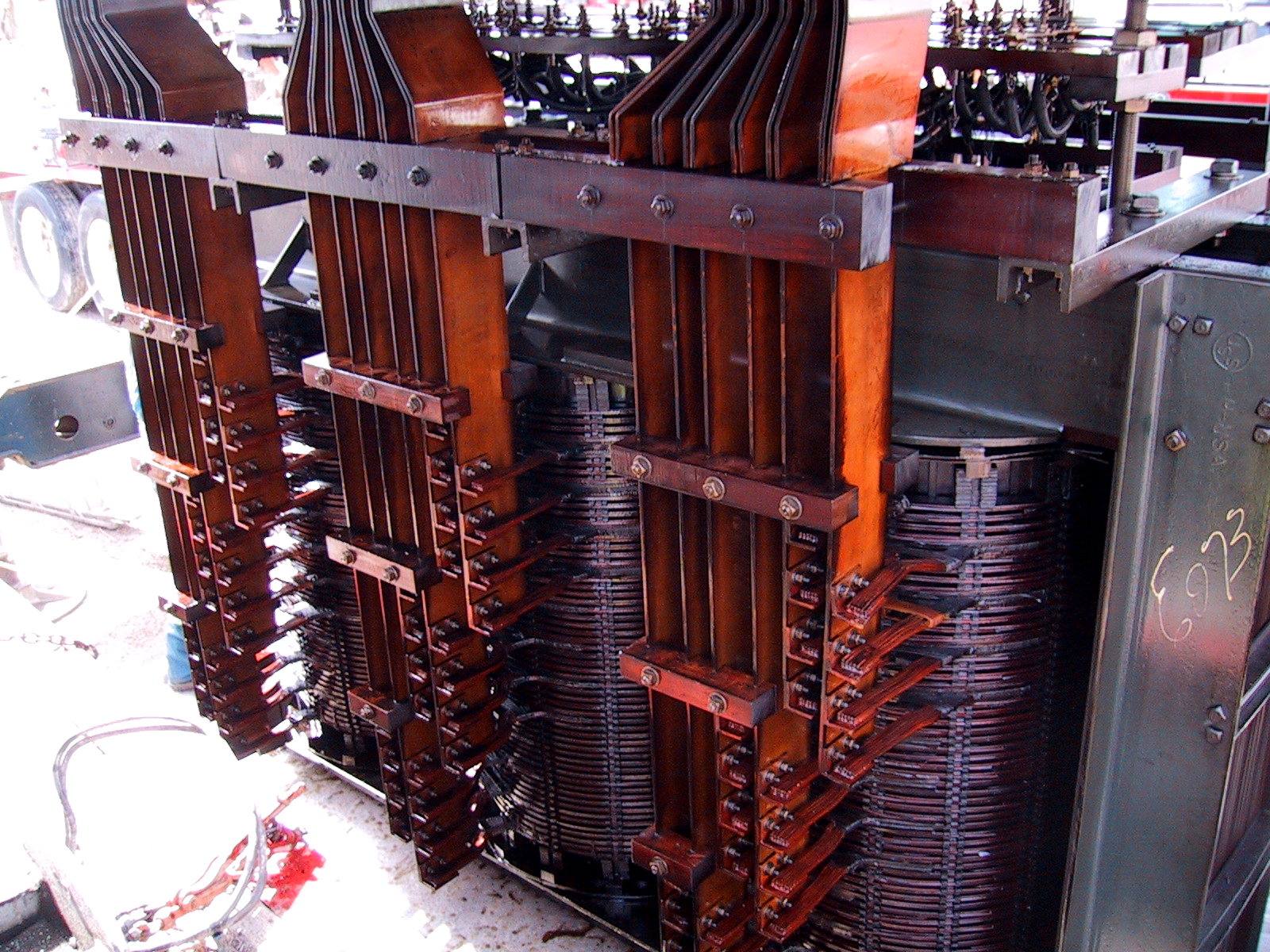
The better return is not always the option with the larger quoted payment. A transformer sale and a scrap transaction may include very different removal duties, material deductions, and environmental responsibilities. When deciding whether to sell or scrap transformer equipment, compare what you keep after the job is finished. An intact unit may have value beyond its metal, but condition, documentation, and market suitability determine whether that value is recoverable.
Understand what a equipment buyer is evaluating
A used-equipment buyer considers the transformer as a functioning asset or a candidate for repair, not simply a container of metal. Rating, voltage combination, phase, configuration, impedance, and physical condition influence whether the unit has a practical reuse path. For example, a documented transformer removed during a capacity upgrade presents a different evaluation than an unidentified unit with damaged bushings and no operating history. Neither situation justifies assuming a price without inspection.
Documentation reduces uncertainty, but it does not make an unsuitable transformer desirable. A complete maintenance file cannot overcome every winding fault, unusual application, or expensive transport requirement. Give the buyer the actual nameplate, service history, photographs, and available test reports. Texas Electrical Transformer Buyers purchases used and surplus transformers for cash; offers are unit-specific and based on inspection. Present the facts first rather than paying for speculative refurbishment to improve a possible offer.
- Provide ratings and configuration.
- Explain why service ended.
- Include available condition reports.
- Disclose repairs and missing parts.
Scrap value depends on recovery, not gross weight
A transformer's total weight includes materials that do not share the same recovery value. Steel, copper or aluminum windings, insulation, fluid, and attached components require different handling. A heavy unit is therefore not automatically a high-value scrap lot. Winding material should be verified from reliable information rather than guessed from the enclosure or equipment rating. Ask how a scrap evaluation accounts for mixed materials, preparation, and deductions before treating it as a comparable offer.
Dismantling can improve material separation, but it also creates labor, equipment, and waste-management costs. Cutting into a tank or core assembly is not a casual preparation step, particularly when fluid condition is undocumented. Once separated, the transformer may no longer be assessable for reuse as a complete unit. If you have not obtained an equipment-buying evaluation, irreversible teardown can remove an option without proving that the scrap route produces a better net return.
- Distinguish gross from recoverable weight.
- Verify winding material where possible.
- Request clear deduction terms.
- Avoid premature tank cutting.
Compare both offers using the same removal scope
Start with the payment offered, then subtract every cost you remain responsible for. Include electrical disconnection, rigging, loading, freight, fluid management, and site restoration where applicable. A purchase proposal that requires you to deliver a drained transformer cannot be compared directly with a proposal that includes loading an intact unit. Neither scope is inherently better; the difference must be priced into your decision using actual contractor estimates and clearly stated responsibilities.
Consider schedule and operational constraints alongside cash proceeds. A transformer blocking a replacement installation may carry removal consequences that outweigh a modest difference between offers. Conversely, accessible equipment stored securely may allow more time for evaluation. Do not assume that either an equipment buyer or a scrap processor can meet an unconfirmed deadline. Get the proposed removal sequence agreed upon, including electrical release and access, before committing the unit or coordinating other contractors.
- Compare identical removal boundaries.
- Subtract seller-paid handling costs.
- Account for replacement constraints.
- Confirm the removal sequence.
Make the decision before destroying the sale option
Fluid records and waste obligations deserve a separate review in either transaction. A sale does not automatically eliminate responsibility for historical leaks, contaminated soil, or materials excluded from the purchase. Likewise, a scrap receipt is not proof that every associated waste stream was handled correctly. Confirm which party handles fluid, what documentation is required, and where excluded materials go. Applicable requirements depend on the material and condition, so obtain qualified environmental guidance when needed.
The practical sequence is straightforward: identify the transformer, document its condition, request an intact-equipment evaluation, and compare that result with a defined scrap alternative. Selling may produce the stronger return when reuse or repair is feasible; scrapping may be more practical when serious damage or unsuitable characteristics prevent a purchase. Decide from inspected condition and net costs, not a blanket rule that all used transformers are valuable or all retired units belong in scrap.
- Retain fluid and disposal records.
- Identify excluded waste materials.
- Evaluate the intact unit first.
- Choose on documented net return.
Common questions
Will selling my transformer always pay more than scrapping it?
No. Reuse potential can support a stronger equipment offer, but severe damage, missing components, unsuitable specifications, or costly transport can limit that option. Compare inspected purchase terms with a scrap proposal covering the same scope. Deduct your disconnection, handling, fluid, and freight expenses from each option before deciding which produces the better return.
Should I remove the copper before contacting a transformer buyer?
Removing windings changes the asset from a potentially reusable transformer into dismantled material and eliminates an intact-equipment evaluation. Request a purchase assessment first unless required safety or environmental work makes that impossible. Do not assume the windings are copper without reliable documentation, and use qualified personnel for any dismantling and associated fluid handling.
Reviewed by the Texas Electrical Transformer Buyers buying desk · Last updated November 13, 2026