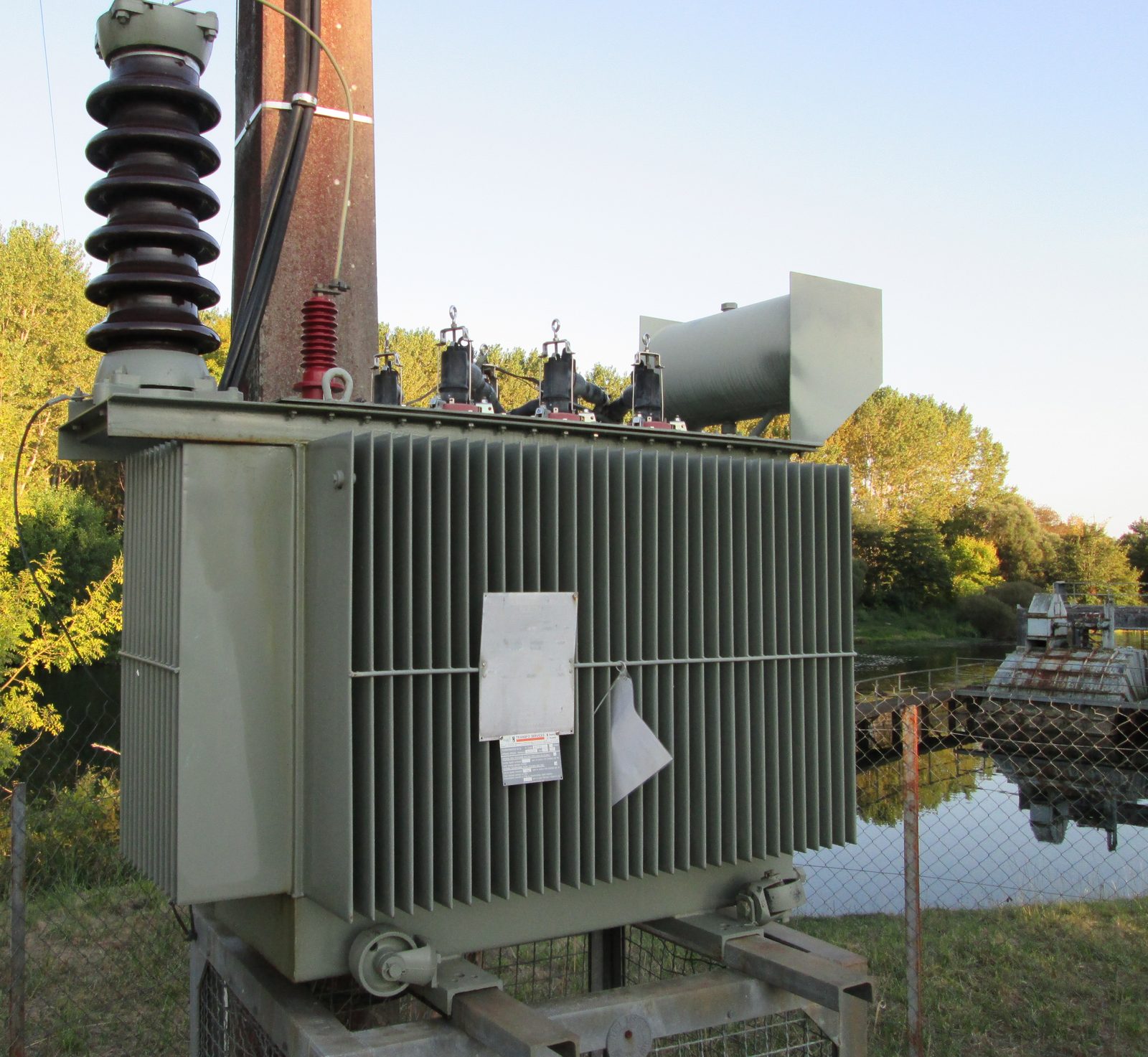
When comparing an oil filled vs dry type transformer for resale, the useful question is not which design is better. It is which unit has a practical next application, documented condition, and manageable removal costs. A serviceable transformer can become a difficult purchase when its voltage configuration is unusual or its removal plan is unclear. For a seller, construction type changes the evidence a buyer needs and the expenses that can affect an offer.
Electrical Fit Comes Before Construction Preference
Start with the nameplate rather than a general description such as outdoor transformer or indoor dry-type. Buyers need rated kVA, primary and secondary voltages, phase, frequency, impedance, and tap information. An oil-filled unit and a dry-type unit with the same kVA rating are not automatically interchangeable. Connection arrangement, insulation requirements, cooling designation, and enclosure configuration can determine whether either unit fits a prospective reuse application without substantial modification.
For example, a transformer removed during a plant voltage conversion may remain useful even though it no longer fits that plant. Conversely, a working unit built around an uncommon secondary voltage may have a narrower resale path. Supply a readable nameplate photograph and explain its former duty. Describe whether it supplied general distribution, motors, or specialized equipment; that context helps distinguish a straightforward application from one requiring closer engineering review.
- Photograph the complete nameplate.
- Record both voltage ratings.
- Identify winding connections.
- Describe the former load.
Condition Evidence Differs Between the Two Designs
For an oil-filled transformer, the tank, seals, bushings, and insulating fluid all matter. Report visible leaks, corrosion, damaged bushings, and any known overheating or fault history. Existing fluid test reports can provide useful evidence about moisture, dielectric condition, and other concerns, but no single result establishes complete fitness for reuse. Identify the fluid type from documentation rather than appearance, and provide available PCB records where relevant to handling and disposition.
Dry-type assessment puts more emphasis on winding condition, contamination, insulation surfaces, and ventilation. Dust accumulation alone is not the same as winding damage, but conductive deposits, tracking, discoloration, and evidence of moisture exposure deserve attention. Send close photographs without removing protective components or entering energized equipment. Maintenance records and electrical test results are more useful when they include dates, methods, and test conditions rather than an unsupported statement that the transformer tested good.
- Disclose leaks or tracking.
- Share existing test reports.
- Identify known fluid type.
- Document storage conditions.
Removal Costs Can Change the Resale Calculation
Oil-filled equipment often brings fluid containment and spill prevention into the removal plan. Depending on the unit and transport arrangement, moving it may require attention to radiators, bushings, accessories, and the manufacturer's handling instructions. Do not assume fluid must be drained, or that draining is harmless. Any proposed preparation should be evaluated by qualified personnel because it can create waste-handling obligations and affect how the equipment must be stored afterward.
A dry-type transformer avoids liquid containment, but that does not make removal simple. Indoor installations may have restricted doorways, low overhead clearance, stairs, or structural load limits. An enclosure may need separate handling, and exposed windings need protection against impact and weather. Buyers evaluate the complete removal situation, not just the transformer. Provide approximate dimensions and weight, loading access, and whether qualified contractors will handle electrical isolation and disconnection before pickup.
- Confirm weight and dimensions.
- Photograph the access route.
- Identify lifting provisions.
- Define disconnection responsibilities.
Preserve Options Before Authorizing Scrap or Removal
The tradeoff is often between selling a complete transformer for possible reuse and recovering material value from equipment with limited reuse potential. Cutting conductors, removing accessories, or separating major components prematurely can eliminate the first option. That does not mean every intact unit deserves a reuse offer. Serious insulation damage, missing identification, unfavorable specifications, or excessive handling costs can shift the evaluation toward material recovery after inspection of the actual equipment.
Before committing to dismantling, assemble a concise seller package: identification, operating history, condition photographs, available tests, and removal details. Explain whether the transformer is operating, disconnected, or already in storage, and disclose any known problems directly. Texas Electrical Transformer Buyers buys surplus and used units for cash; offers are unit-specific and based on inspection. The practical takeaway is to preserve the unit and its records until the buying and removal options have been evaluated.
- Keep accessories with the unit.
- State current operating status.
- Disclose known defects.
- Evaluate before dismantling.
Common questions
Does an oil-filled transformer always have more resale value than a dry-type unit?
No. Resale depends on electrical specifications, condition, documentation, demand for that configuration, and removal requirements. A well-documented dry-type unit with a useful voltage combination may present a stronger reuse opportunity than a leaking oil-filled unit with an unusual secondary. Construction type changes the inspection and handling questions, but it does not establish a fixed ranking. Any offer is unit-specific and based on inspection.
Should I drain the oil or remove the enclosure before offering the transformer?
Do not make those changes solely to prepare a sales inquiry. Send photographs and existing records first, then discuss the handling plan. Fluid removal can introduce containment, waste-management, and storage issues; enclosure removal can expose dry-type windings to damage. Qualified personnel should determine any required preparation. Explain which components are already removed and retain them, along with identification labels and hardware, when practical.
Reviewed by the Texas Electrical Transformer Buyers buying desk · Last updated November 13, 2026