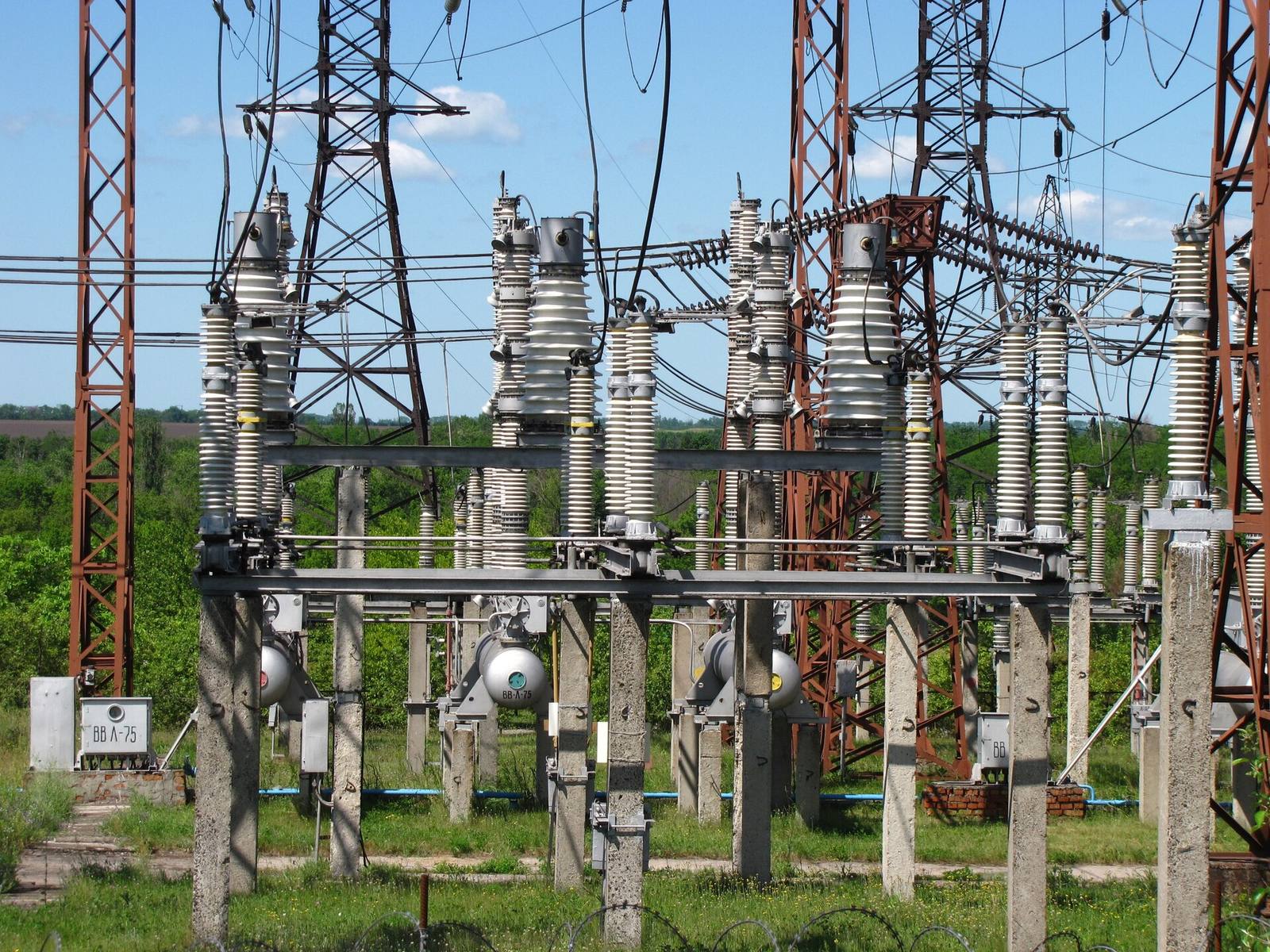
A current transformer or potential transformer can look insignificant beside the power transformer being removed from a plant. That does not make it scrap by default. Instrument transformer value depends on electrical ratings, insulation condition, documentation, and whether the equipment fits a usable application. For an owner clearing a storeroom or retiring a lineup, the first decision is whether these smaller devices deserve separate identification before the larger equipment leaves.
Start with function, not size or weight
Current transformers, commonly called CTs, reduce primary current to a measurable secondary signal. Potential transformers, or PTs, reduce voltage for metering and protection; they are also called voltage transformers. Their physical size tells only part of the story. A compact CT with a legible ratio and accuracy designation may be easier to evaluate than a heavier unit with missing identification, damaged terminals, and no record of its original application.
Separate the devices by function before requesting a review. For example, window-type CTs removed from a low-voltage lineup should not be grouped indiscriminately with medium-voltage PTs. Photograph each nameplate and the overall housing, then connect those images to a simple equipment list. Texas Electrical Transformer Buyers can assess the information for a purchase review, but an offer remains unit-specific and subject to inspection rather than a universal value per pound.
- Distinguish CTs from PTs.
- Record quantities by model.
- Photograph every readable nameplate.
- Keep matched sets together.
Ratings determine whether another application is realistic
For CTs, record the ratio, secondary current rating, accuracy class, and burden information shown on the plate. Note whether the unit has multiple ratios or taps. For PTs, capture the primary and secondary voltage ratings, frequency, and connection information. Insulation class and basic impulse level, when listed, help establish the intended service. A ratio alone does not establish suitability, especially when the device served protective relays rather than revenue or process metering.
The tradeoff is straightforward: more complete identification makes evaluation easier, but even excellent documentation cannot create demand for every configuration. An unusual mounting arrangement or specialized ratio may narrow potential reuse. Conversely, a familiar rating does not overcome physical damage. Send mounting dimensions or a drawing when available, particularly for devices built into switchgear compartments. Avoid guessing at missing ratings from appearance; similar housings can contain electrically different units with incompatible duties.
- Capture ratios and secondary ratings.
- Include accuracy and burden data.
- Note insulation and impulse ratings.
- Document mounting dimensions.
Condition means more than a clean exterior
Look for cracked cast-resin bodies, chipped porcelain, loose terminals, corrosion, and evidence of overheating without disturbing energized equipment. These observations affect whether further evaluation is worthwhile. A device pulled during a routine upgrade presents a different risk picture from one removed after an electrical fault. State the removal reason plainly. Cleaning away dust may improve photographs, but cosmetic work should not conceal tracking marks, repairs, or other evidence relevant to electrical condition.
Existing test reports can support a review when they identify the actual unit and describe the test method and date. Depending on the device, records may include ratio checks, insulation resistance measurements, or polarity verification. Do not arrange improvised testing simply to strengthen a sales submission. In particular, a CT secondary must not be opened while primary current is flowing. Qualified personnel should handle isolation, testing, and removal under the site's established electrical safety procedures.
- Disclose fault-related removal.
- Show cracks and terminal damage.
- Attach unit-specific test records.
- Leave electrical work to qualified personnel.
Build a lot that can be inspected and collected
Small equipment often loses its identity during demolition. A pallet of loose CTs, unidentified brackets, and broken PT housings creates inspection work before anyone can judge purchase potential. Label units before disconnecting them, and retain associated hardware where practical. If several devices came from one lineup, identify that relationship without assuming they are interchangeable. Keep drawings and equipment schedules with the sale records rather than relying on handwritten markings that may disappear during handling.
Present instrument transformers as an identified group within the broader transformer removal scope, while allowing individual units to be reviewed separately. Include quantity, approximate dimensions, storage condition, and collection constraints. Protect porcelain and exposed terminals from impact, and avoid stacking heavy devices against fragile insulation. The practical seller takeaway is to preserve identity first: clear records and intact equipment give a buyer something concrete to inspect, while an anonymous mixed pile leaves important questions unanswered.
- Label units before removal.
- Retain brackets and drawings.
- Protect insulation during storage.
- Describe loading and access limits.
Common questions
Are instrument transformers worth submitting if I only have a few?
A small quantity can still warrant review when the units are identifiable and intact. Send the count, nameplate photographs, condition details, and whether they are part of a larger transformer sale. Quantity alone does not establish purchase suitability. We assess the specific equipment, and any offer depends on inspection rather than a standard amount for every CT or PT.
Should I remove CTs and PTs from switchgear before requesting an offer?
Not solely for the purpose of requesting an initial review. Photograph accessible nameplates only when it is safe, identify the compartments, and explain whether the lineup is energized, isolated, or already dismantled. Removing devices prematurely can damage insulation or lose mounting hardware. Let qualified personnel plan the removal, and clarify the proposed sale scope before separating equipment that may be evaluated together.
Reviewed by the Texas Electrical Transformer Buyers buying desk · Last updated November 13, 2026