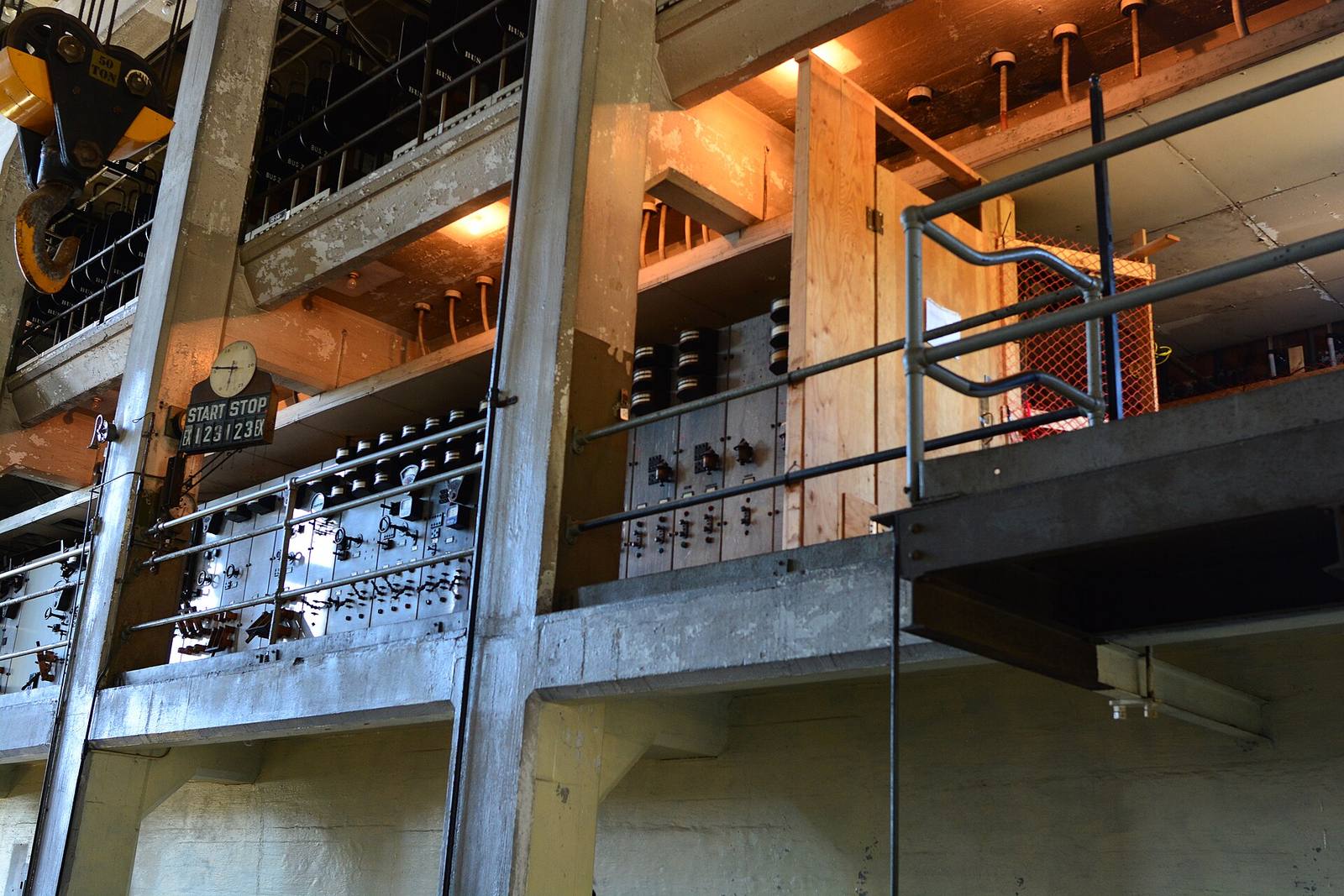
A transformer failure creates two separate jobs: making the site safe and deciding what to do with the equipment. Treat them in that order. A tripped breaker does not establish that the transformer is safe to approach, and a failed unit is not automatically scrap. During the first 72 hours, preserve the information a buyer needs without delaying qualified electrical work, spill response, or restoration of service.
Start with isolation, not a salvage decision
Have qualified electrical personnel control the shutdown, identify every possible source, and apply the site's lockout/tagout procedures. Secondary connections, generators, and interconnected equipment can create backfeed hazards. Testing for absence of voltage and establishing required grounding are electrical tasks, not buyer tasks. Do not open the tank, handle damaged bushings, or move the unit simply to get better photographs while its electrical status remains uncertain.
Once the area is controlled, document what happened without turning an observation into a diagnosis. Record the trip time, relay indications, visible damage, and any unusual noise or odor reported before shutdown. A protection operation caused by a downstream fault is different from confirmed internal winding damage. Keep those possibilities separate until testing supports a conclusion; an accurate failure description helps prevent a buyer from evaluating the wrong condition.
- Control access to the equipment.
- Record protective-device indications.
- Identify potential backfeed sources.
- Photograph only from safe positions.
Keep the evidence that distinguishes repairable from scrap
During the next stage, gather the nameplate and existing maintenance records. Useful details include kVA rating, primary and secondary voltages, phase, impedance, manufacturer, and serial number. Photograph the complete unit as well as readable identification plates. For a liquid-filled transformer, note the fluid type if documented. Do not describe fluid as PCB-free based on appearance, age, or an assumption about when the transformer was installed.
Qualified testing may include winding resistance, insulation resistance, turns ratio, and fluid analysis, depending on the equipment and suspected fault. Share actual reports rather than a summary that says only 'bad transformer.' A damaged external connection, failed accessory, and internal arcing can produce very different buying decisions. Commission testing for operational and safety reasons first; additional resale testing should make economic sense rather than becoming an open-ended expense.
- Capture the full nameplate.
- Retain original test reports.
- Document known fluid information.
- Separate findings from assumptions.
Control leaks without erasing condition information
If the transformer leaks, put environmental protection ahead of resale considerations. Follow the site's spill procedures and involve personnel qualified to manage the fluid and any contaminated materials. Reporting and disposal requirements depend on the substance, quantity, location, and applicable rules. Do not rinse oil into drainage systems or mix collected fluid with unrelated waste. A buyer's interest in the unit does not replace the owner's immediate environmental obligations.
Before authorized cleanup or disassembly changes the evidence, record the leak location, visible tank damage, and condition of attached components when safe. Preserve fluid sampling and disposal paperwork. Removing bushings, draining the tank, or separating the core and coils can narrow the available sale options, but necessary safety work must not wait. Tell the buyer exactly what has already been removed and whether the remaining equipment can be handled intact.
- Follow established spill procedures.
- Preserve sampling documentation.
- Record removed components.
- Keep waste streams separate.
Ask for an evaluation before committing to teardown
By the end of the initial assessment, assemble a concise seller package: identification, photographs, failure history, test results, fluid documentation, and removal constraints. Include whether the unit remains connected, its approximate weight if documented, and the available loading access. Texas Electrical Transformer Buyers buys used and surplus transformers for cash and can evaluate a failed unit for possible purchase. Offers are unit-specific and based on inspection; some failures eliminate practical recovery value.
Compare the proposed sale with the actual cost of your alternative, not just an assumed scrap value. Include disconnection, rigging, fluid handling, freight, and disposal of unsuitable materials. If an urgent replacement requires immediate removal, agree on what documentation and components can reasonably be preserved. The seller's practical takeaway is to stabilize the site, retain evidence, and request a buying evaluation before avoidable dismantling closes off a potentially better option.
- Send condition and access details.
- Disclose the known failure.
- Compare net removal costs.
- Confirm scope before dismantling.
Common questions
Can I sell a transformer that failed an electrical test?
Possibly, but the failed test alone does not establish its buying value. Provide the actual results, equipment rating, failure history, and photographs. External damage may present different options than a damaged core or winding assembly. Texas Electrical Transformer Buyers evaluates purchase opportunities individually; any offer is unit-specific and based on inspection, not a guarantee that every failed transformer can be purchased.
Should I drain the oil before asking for an offer?
Do not drain fluid solely to prepare a sales inquiry. Draining introduces handling, documentation, and disposal considerations and may affect the buyer's evaluation. If qualified personnel determine that draining is necessary for safety, spill control, or removal, follow their procedures and retain the records. Disclose the fluid's documented status, where it went, and the condition of the remaining transformer.
Reviewed by the Texas Electrical Transformer Buyers buying desk · Last updated November 13, 2026