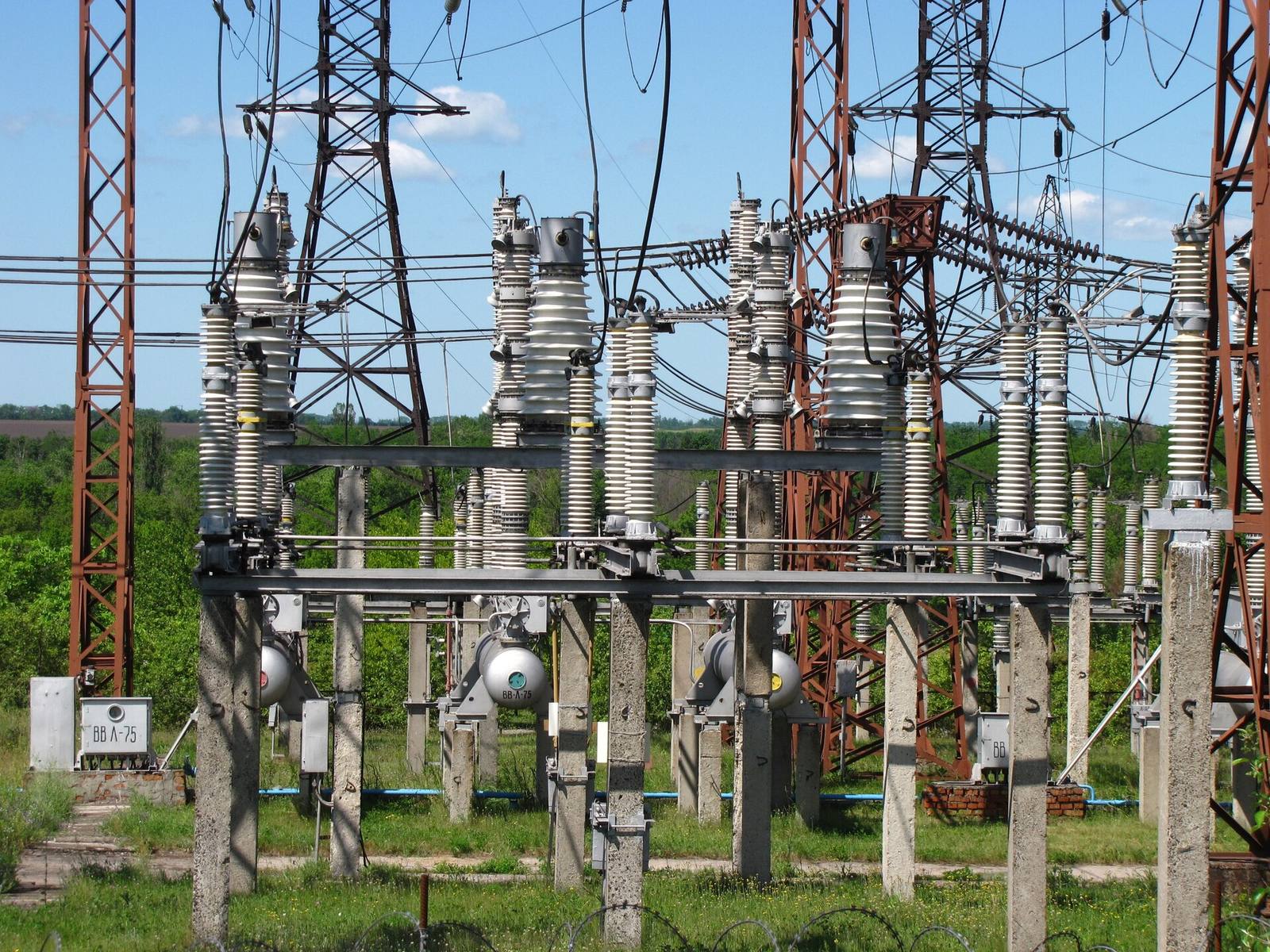
Decommissioning substation equipment creates two separate challenges: retiring the electrical system safely and preserving the value of equipment that may still have a useful life. Those goals can conflict when demolition starts before a buyer has documented the transformers. Texas Electrical Transformer Buyers buys surplus and used electrical transformers for cash. For a seller, the better sequence is to establish ownership, preserve records and assess sale potential before irreversible dismantling begins.
Establish Ownership and Electrical Boundaries Before Removal
Begin with an equipment register that separates assets you own from anything controlled by a utility, landlord or another party. A transformer inside your fence is not necessarily yours to sell. Match each asset to its nameplate, location and available ownership documentation. Identify which units are being retired and which remain part of an operating system, particularly where common structures or interconnected circuits make the work boundaries less obvious.
Qualified electrical personnel must determine the isolation sequence and establish safe work conditions under the site's procedures. Equipment retirement can involve multiple supply paths, control power and adjacent energized assets. A purchase discussion does not authorize access to restricted equipment or establish that it is safe to handle. Keep the commercial evaluation separate from electrical release, and make the responsible parties clear before inspection, disconnection or demolition contractors enter the work area.
- Asset ownership and sale authority
- Nameplates linked to equipment locations
- Operating versus retired equipment boundaries
- Responsible electrical isolation personnel
Evaluate Transformers Before Demolition Changes Their Condition
A transformer should be assessed as equipment before it is treated as material for disposal. Rating, voltage configuration, design, condition and completeness all affect a buyer's evaluation. Maintenance history and available test reports help explain what is known, but they do not guarantee present serviceability. A unit removed after a planned shutdown presents a different information picture from one retired following a fault with no diagnostic records.
Preserve the evidence that distinguishes those situations. Photograph leaks, damaged bushings, corrosion and terminal compartments before surrounding structures come down. Keep identifiable accessories with their corresponding transformer. Cutting connections or removing parts without a documented plan can erase information and complicate inspection. Texas Electrical Transformer Buyers makes unit-specific offers based on inspection, so early documentation supports a more informed assessment without implying that every retired transformer has reusable equipment value.
- Reason for equipment retirement
- Available maintenance and test history
- Condition photographs before demolition
- Complete accessory identification
Sequence Removal Around Access, Fluid Handling and Adjacent Assets
Demolition order should account for the transport path, not just the order in which structures are easiest to remove. Taking down a fence may improve access, while placing debris in the crane setup area can eliminate it. Removing nearby equipment might create working room, but the responsible contractors must assess stability and electrical boundaries first. Map the intended loading area and keep it available until the transformer has been safely removed.
Fluid-filled units require an additional handling decision. Review available oil records and environmental documentation before deciding whether the transformer moves intact or needs fluid removal. Draining solely to accelerate demolition can create containment, storage and preservation obligations that were not included in the original scope. Coordinate those responsibilities with qualified contractors, and identify who handles residual fluid, removed components and any affected materials rather than assuming the equipment buyer accepts every site cleanup task.
- Protected crane and trailer access
- Coordinated adjacent-equipment removal
- Available oil and environmental records
- Assigned fluid and cleanup responsibilities
Separate Purchase Value From the Cost of Clearing the Site
The purchase value of a transformer is not the same as the net outcome of decommissioning. Disconnecting, rigging, transportation and environmental work can materially affect what the seller must spend to complete removal. Compare proposals on a consistent scope. An offer for an accessible, intact unit cannot be directly compared with an arrangement that also includes difficult extraction, fluid handling or demolition unless those obligations are clearly described.
Your practical takeaway is to set a decision point before destructive work starts. Submit the transformer details, explain the shutdown schedule and request an equipment evaluation while records and accessories are still available. Then document the agreed purchase and removal responsibilities alongside the broader decommissioning plan. Selling a suitable transformer can be one part of retirement, but it should not obscure the separate duties required to leave the remaining site safe and compliant.
- Comparable purchase and removal scopes
- Seller-retained work identified
- Evaluation before destructive dismantling
- Written handoff and cleanup boundaries
Common questions
Does Texas Electrical Transformer Buyers buy the entire substation?
Our buying focus is surplus and used electrical transformers. Do not assume that a transformer purchase includes switchgear, structures, batteries, cable or complete site demolition. Identify the transformers you own and provide their specifications and condition. Any agreed removal scope should state exactly which equipment and responsibilities are included, leaving unrelated assets and cleanup obligations clearly assigned.
Can a transformer retired after a fault still be evaluated for purchase?
Yes, it can be submitted for evaluation, but disclose the fault and known damage. Include diagnostic reports, relay-event information if available, oil results and photographs. Do not describe it as serviceable without supporting evidence. The extent of damage, completeness and inspection findings will affect whether a purchase is appropriate and the unit-specific offer.
Reviewed by the Texas Electrical Transformer Buyers buying desk · Last updated November 13, 2026