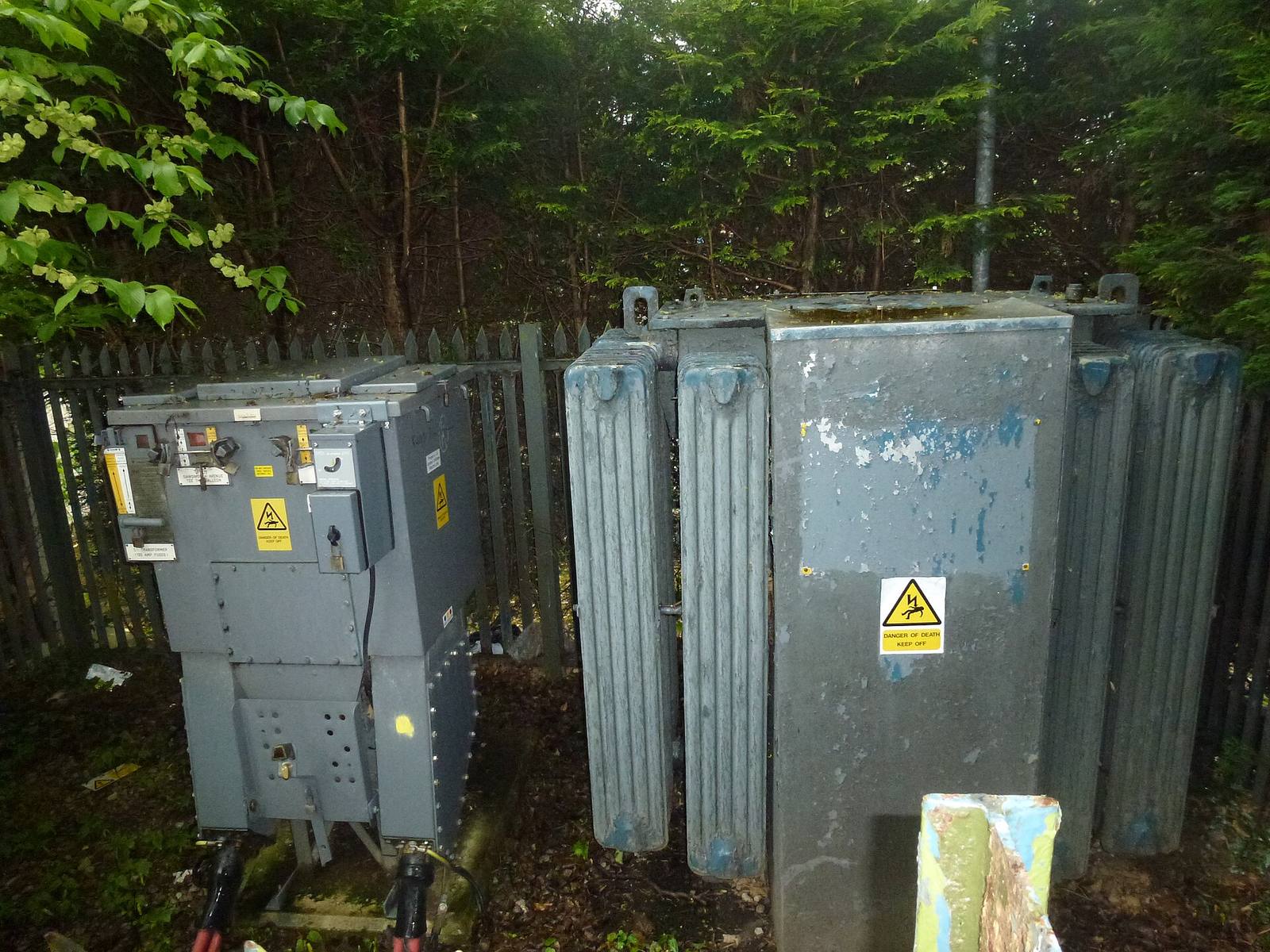
A transformer site inspection is where equipment information meets the conditions that will govern the purchase and removal. A nameplate photograph may establish voltage and capacity, but it cannot show a blocked loading route, an active oil leak, or whether the unit remains connected. For a seller, the useful outcome is not simply a buyer walking around the equipment. It is a documented understanding of what is being purchased and what must happen before it leaves.
Establish the Unit's Identity Before Discussing Condition
The first task is matching the transformer on site to the information supplied for evaluation. The buyer checks accessible nameplate details, including kVA or MVA rating, primary and secondary voltages, phase, impedance, cooling designation, and manufacturer information. Serial numbers help distinguish similar units. If a facility has two transformers with matching ratings, identifying the exact asset prevents the wrong equipment from entering the purchase agreement.
Bring available drawings, maintenance records, test reports, and information about when the transformer last operated. These records provide context rather than automatically proving condition. A recent test report may support an evaluation, while an old report cannot establish what happened during later operation or storage. Missing paperwork does not necessarily prevent a sale, but it can leave questions that require further inspection or a more qualified offer.
- Readable nameplate photographs
- Asset and serial number match
- Available electrical test reports
- Operating and storage history
Separate Visible Condition From Verified Performance
An accessible exterior inspection can identify damaged bushings, corrosion, oil staining, bent cooling fins, missing covers, and evidence of rough handling. On dry-type equipment, visible contamination, moisture exposure, and damaged enclosures deserve attention. None of these observations should be treated in isolation. Surface rust on an enclosure raises a different concern from a cracked bushing or evidence that water entered the transformer during outdoor storage.
Electrical performance requires more than appearance. Depending on the unit and transaction, evaluation may include reviewing insulation resistance, turns ratio, winding resistance, or oil test results. Any new testing must be planned around qualified personnel, isolation, and applicable safety procedures. An energized unit is not an invitation to open compartments or perform intrusive checks. Agree beforehand on inspection limits and which unanswered condition questions remain with the offer.
- Bushing and enclosure damage
- Leak locations and staining
- Moisture or contamination evidence
- Testing scope and limitations
Walk the Removal Route, Not Just the Transformer
Removal conditions can materially affect a transaction even when the equipment itself is attractive. A transformer sitting beside an accessible loading area presents a different job from one inside a room with narrow doors and overhead obstructions. The inspection should establish approximate dimensions, available weight information, lifting provisions, and the route to the truck. The seller should identify site restrictions rather than assume the buyer can discover them later.
Disconnection, rigging, loading, and transportation are separate responsibilities that need clear assignment. An oil-filled transformer may also require attention to containment, fluid documentation, and transport configuration. If a crane cannot reach the unit or the access route crosses operating areas, removal may need additional planning. These constraints do not automatically rule out a purchase, but they influence costs, feasibility, and the conditions attached to a unit-specific offer.
- Door and route clearances
- Verified or documented weight
- Lifting and loading access
- Fluid handling requirements
Turn Inspection Findings Into a Defined Transaction
Before the visit ends, distinguish confirmed facts from assumptions. The equipment description, included accessories, visible condition, and removal responsibilities should be clear enough to support written purchase terms. If spare fans, monitoring devices, or cable boxes are included, identify them explicitly. If the offer depends on additional testing or documentation, record that condition rather than allowing either side to interpret the inspection as an unconditional purchase commitment.
The seller's practical next step is to resolve the few issues that could change the transaction: uncertain ownership, incomplete fluid records, unresolved disconnection work, or an unverified loading path. Texas Electrical Transformer Buyers evaluates purchases on a unit-specific basis, with offers based on inspection. Preparing accurate records and safe access makes that evaluation more useful. It also reduces the chance that a removal problem appears only after commercial terms have been discussed.
- Confirmed equipment scope
- Outstanding inspection questions
- Assigned removal responsibilities
- Written offer conditions
Common questions
Does the transformer need to be disconnected before the inspection?
Not necessarily. Initial evaluation may be limited to accessible exterior observations, nameplate information, records, and removal planning while the transformer remains connected. Intrusive inspection or electrical testing may require de-energization and isolation by qualified personnel. Tell the buyer the operating status beforehand, and agree on what can safely be inspected without interfering with plant operations.
What if I do not have oil test results or maintenance records?
Start with the information you can substantiate: nameplate photographs, operating history, known repairs, storage conditions, and visible leaks or damage. Missing records create uncertainty rather than an automatic rejection. Depending on the equipment, the buyer may request additional evaluation. For oil-filled units, disclose available fluid identification and PCB documentation; do not assume that appearance or age establishes fluid status.
Reviewed by the Texas Electrical Transformer Buyers buying desk · Last updated November 13, 2026