A transformer auction vs buyout decision should start with the outcome your facility needs, not the highest number someone suggests before inspection. An auction exposes equipment to competing bidders, while a direct buyout lets you negotiate with a buyer against a defined equipment list and removal scope. For a plant manager handling surplus electrical assets, the meaningful comparison is net proceeds, execution risk, and how the sale fits the shutdown schedule.
Compare Net Proceeds, Not the Opening Estimate
An auction estimate is not a purchase commitment. The final result depends on bidder interest, the information available, and the terms governing the sale. Seller commissions, preparation expenses, storage, or loading charges may affect what you retain, depending on the agreement. A direct offer also needs scrutiny: determine whether it covers the transformer alone or includes accessories, disconnection responsibilities, rigging, and transportation. Compare both routes using the same scope.
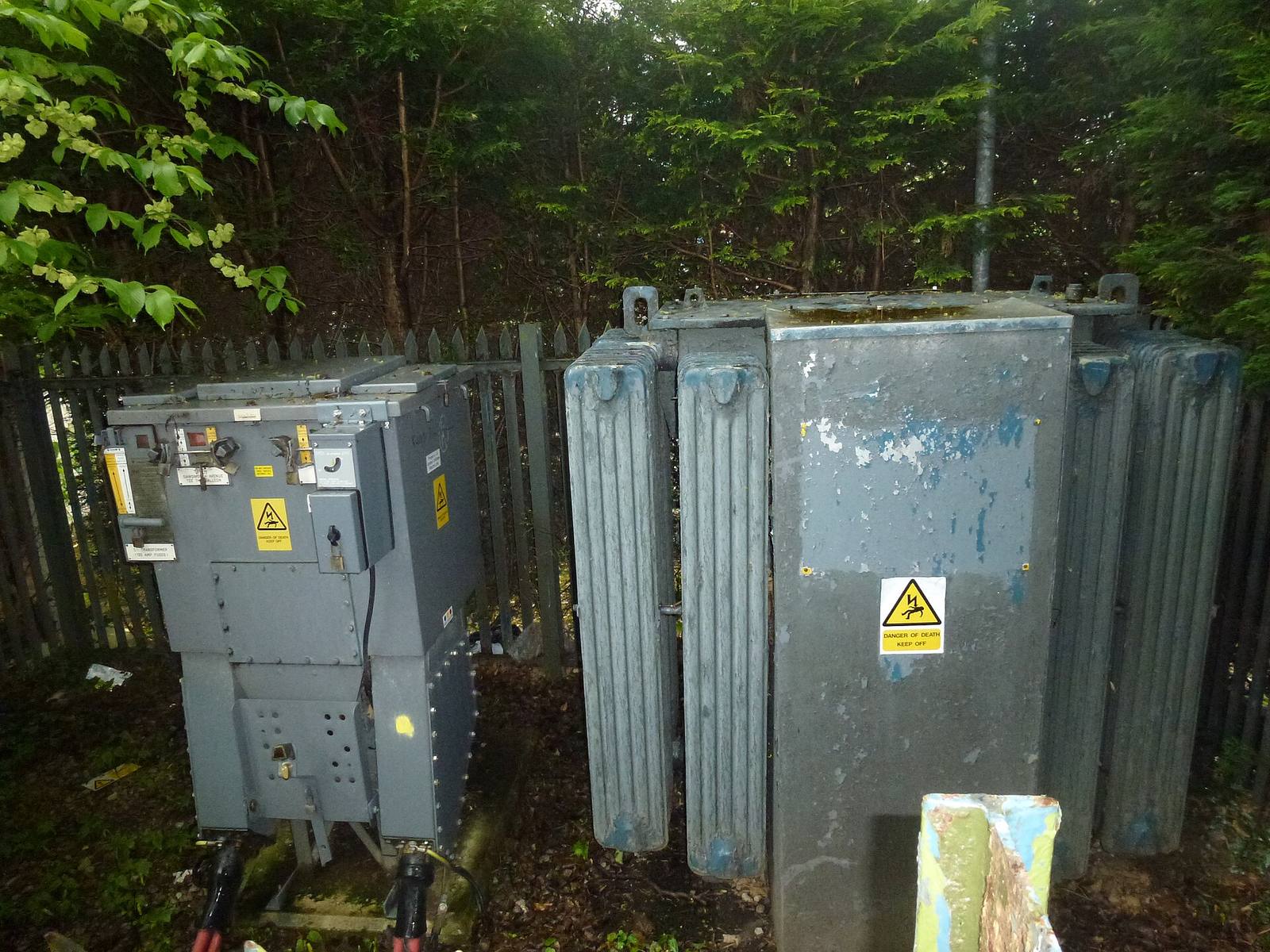
Consider an oil-filled transformer that remains inside a fenced substation. A bid that assumes the seller will disconnect and load it is not equivalent to an offer that includes an agreed removal arrangement. Put each responsibility beside its expected cost before choosing a route. Texas Electrical Transformer Buyers buys surplus and used transformers for cash; our offers are unit-specific and based on inspection, rather than a generic value assigned to every transformer.
- Identify seller-side fees.
- Define included accessories.
- Separate loading from hauling.
- Compare matching sale scopes.
Give Buyers Enough Technical Information to Evaluate the Unit
Both sale methods benefit from a readable nameplate and a clear condition record. Provide manufacturer, kVA or MVA rating, primary and secondary voltages, phase, frequency, cooling designation, and approximate dimensions and weight when documented. Include photographs of bushings, terminals, gauges, cabinets, and visible damage. Missing data can force buyers to price uncertainty into their bids or postpone a decision until the equipment can be inspected safely.
- Photograph the complete nameplate.
- Attach available test reports.
- Describe leaks or damage.
- List loose components separately.
Match the Sale Process to Your Removal Window
Auctions can provide a defined bidding event, but the event date is not necessarily the date equipment leaves your property. Review inspection access, payment deadlines, buyer pickup periods, and what happens if a successful bidder fails to perform. A direct transaction can establish those obligations through negotiation, although agreement still depends on the equipment, inspection findings, and workable logistics. Neither method should be treated as a substitute for a removal plan.
Suppose demolition requires a yard to be cleared before crews mobilize. The transformer sale must account for isolation, conductor removal, crane access, ground conditions, and any site restrictions on trucks. Establish who authorizes electrical work and who verifies the unit is safe to handle. Qualified personnel should manage de-energization and disconnection. Give potential buyers the actual access constraints rather than assuming a heavy transformer can be collected like ordinary surplus material.
- Set a realistic pickup window.
- Confirm crane and truck access.
- Assign disconnection responsibility.
- Document missed-pickup remedies.
Choose the Route That Makes the Sale Executable
An auction may fit a broader liquidation when multiple asset classes are already being cataloged and the seller can support bidder inspections. A direct buyout may fit a defined group of transformers when the owner wants to resolve condition, scope, and removal terms with one buyer. The tradeoff is not simply competition versus convenience. It is whether your team can manage the chosen process without leaving critical responsibilities unresolved.
Before committing, prepare one equipment packet and use it to evaluate the available sale terms. Confirm ownership, identify excluded items, disclose known defects, and require written payment and removal provisions. Avoid counting an indicative estimate as realized proceeds. If you want us to evaluate a direct purchase, share the technical records and site conditions first; inspection will inform the offer and the parties can then establish a practical scope for the transaction.
- Verify authority to sell.
- Use one consistent equipment list.
- Put sale terms in writing.
- Resolve scope before acceptance.
Common questions
Does an auction always produce a higher transformer sale price?
No. Competitive bidding can help when interested buyers have enough information and acceptable removal terms, but the highest bid is not necessarily the highest net return. Compare seller fees, preparation costs, loading obligations, and collection risk. A direct offer should be assessed against the same equipment and responsibilities, with its inspection conditions clearly stated.
Can I request a direct buyout evaluation before deciding on an auction?
Yes, provided you have not entered an agreement that restricts another sale route. Send the nameplate, photographs, condition history, and removal requirements so we can assess the equipment. Tell us about any existing auction commitments or consignment restrictions. Texas Electrical Transformer Buyers makes unit-specific offers based on inspection; an initial discussion is not a guaranteed purchase price.
Reviewed by the Texas Electrical Transformer Buyers buying desk · Last updated November 13, 2026