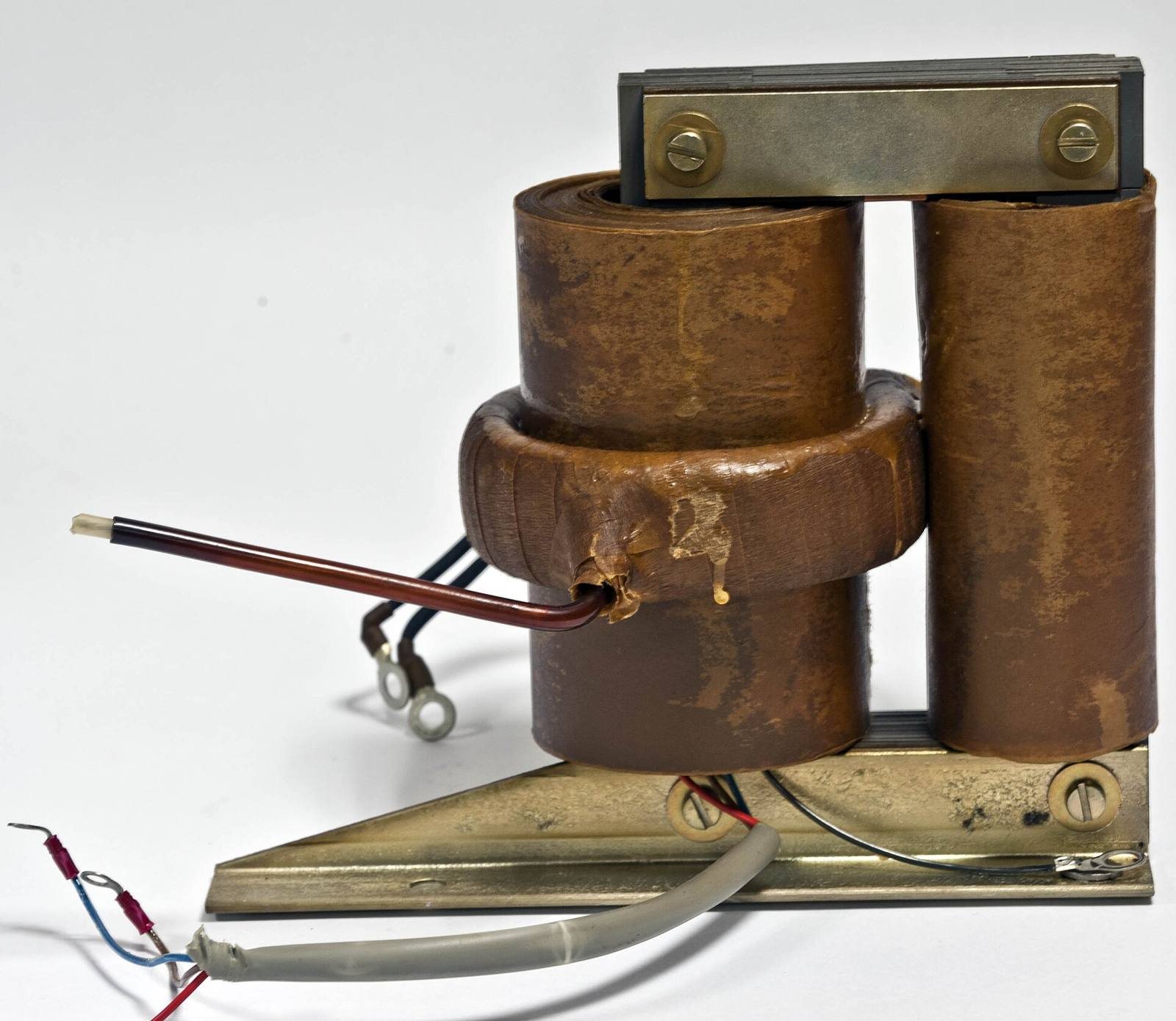
An indoor transformer can become surplus when a building changes use, a production line is revised or electrical distribution is replaced. Texas Electrical Transformer Buyers buys used and surplus dry-type equipment for cash. For San Antonio healthcare, military, manufacturing and logistics properties, we review the electrical specifications and winding condition along with the indoor route needed to move the unit out.
Read Beyond the kVA Rating
Dry-type transformers use air cooling rather than a liquid dielectric and commonly range from 15 to 5,000 kVA in commercial and industrial installations. Capacity alone does not describe their suitability or condition. Provide primary and secondary voltages, phase, frequency and enclosure information from the nameplate. Include the manufacturer’s designation when readable, along with photographs that show the complete assembly being offered.
Insulation class, temperature rise and winding material are important evaluation details. Copper and aluminum windings should be identified from records or reliable markings, not guessed from exterior appearance. Explain whether the equipment is ventilated or enclosed and whether any fans or monitoring accessories remain attached. A hospital electrical-room unit and a transformer serving manufacturing equipment may have substantially different specifications despite similar capacities.
- Voltage configuration
- Insulation class
- Temperature rise
- Winding material
Describe Winding and Enclosure Condition
Indoor placement does not protect a transformer from every source of deterioration. Dust accumulation, moisture exposure, overheating and mechanical damage can affect windings or insulation. Report visible discoloration, unusual odor during operation, damaged supports and evidence of water entry. Photographs should document accessible areas without requiring anyone to approach exposed energized parts or remove protective covers while the unit is operating.
Maintenance history helps distinguish ordinary service wear from a known electrical problem. Supply available insulation-resistance results, inspection reports and records of repairs or cleaning. State whether the transformer was operating normally when disconnected and how it has been stored since removal. If it came from a logistics building or manufacturing area, mention known environmental exposure rather than assuming indoor equipment remained clean and dry.
- Winding photographs
- Moisture exposure
- Test documentation
- Storage conditions
Plan the Indoor Removal Route
Dry-type equipment often leaves a building through tighter openings than its original installation route suggests. Measure doorways, corridor turns and loading access, and obtain the unit’s weight and dimensions. Healthcare facilities and controlled military properties may also require scheduled access or escorts. Identify stairs, elevators and raised housekeeping pads before assuming that the transformer can be rolled directly to a truck.
Separate electrical disconnection from the physical handling plan. Qualified personnel must isolate the equipment and address attached conductors before movement. Tell us whether the enclosure and core-and-coil assembly will remain together, and identify missing panels or loose accessories. Our purchase offers are unit-specific and based on inspection, considering specifications, condition and removal constraints. Ownership or written authorization to sell should be clear from the outset.
- Doorway measurements
- Unit weight
- Conductor status
- Handling restrictions
Common questions
Does a dry-type transformer need to be operating to be considered?
No operating demonstration should be attempted solely to support a sale. Explain when the transformer last ran, why it was disconnected and whether any faults were known. Existing test results and inspection records are useful for disconnected equipment. Stored or untested units require a condition review, and any offer remains dependent on the individual transformer and inspection findings.
Should I remove the enclosure before sending photographs?
Start with exterior and nameplate photographs. Do not remove covers from energized equipment or expose yourself to electrical hazards for a picture. If qualified personnel have already isolated the unit and safely opened it, existing winding photographs may help. Tell us about enclosure damage or missing panels, since the offered assembly should be documented as it actually exists.
Reviewed by the Texas Electrical Transformer Buyers buying desk · Last updated November 13, 2026