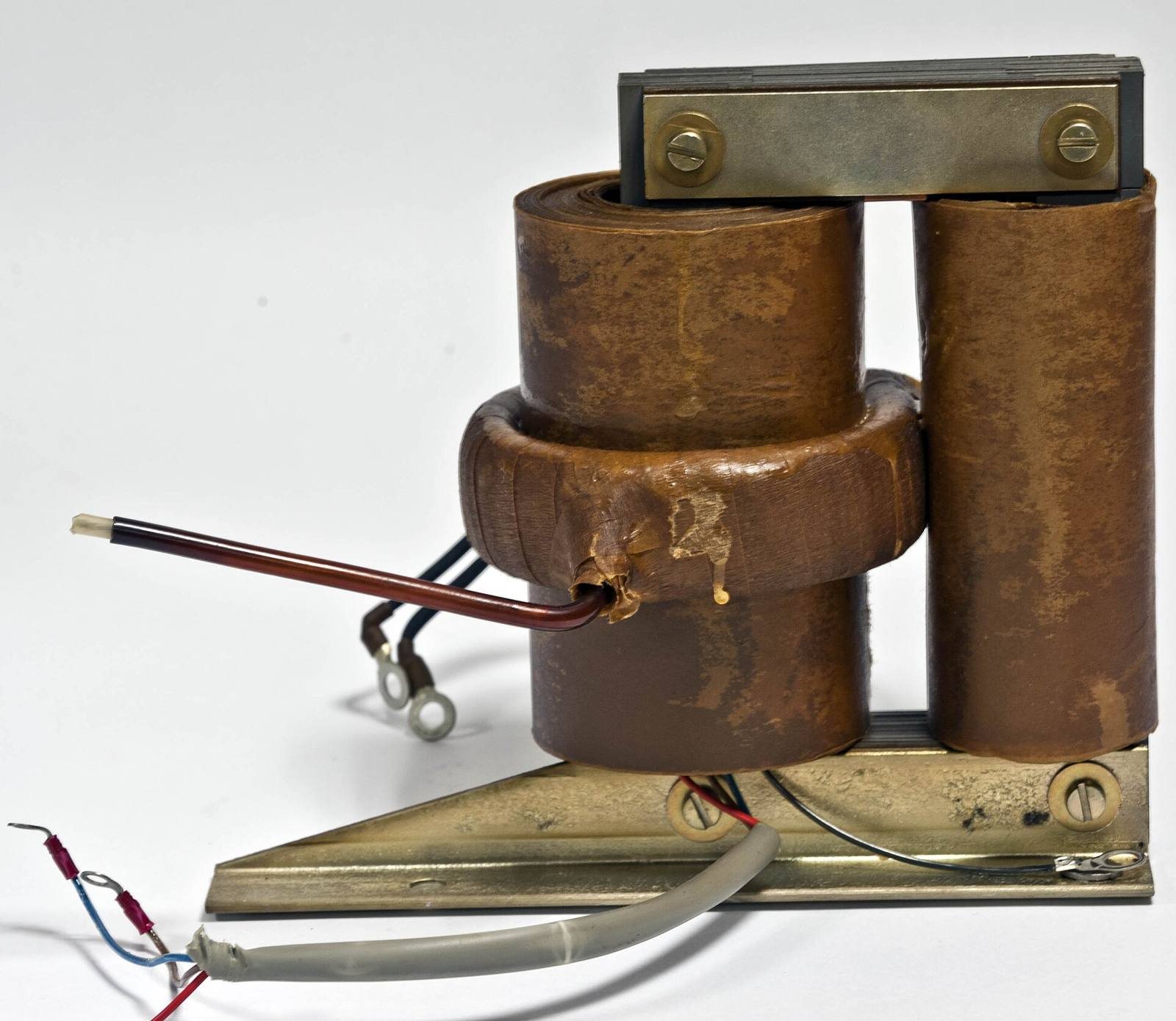
To sell dry-type transformers in Beaumont, document the windings as carefully as the enclosure. Texas Electrical Transformer Buyers purchases used and surplus units for cash. Beaumont’s industrial economy includes Motiva Beaumont refinery, the Port of Beaumont and petrochemical operations, while indoor distribution equipment also serves commercial and institutional buildings. Your transformer’s electrical specifications and actual condition guide the purchase review.
Show the Electrical and Thermal Specifications
Dry-type transformers use air cooling rather than a liquid dielectric and commonly range from 15 to 5,000 kVA. Start with the nameplate’s primary and secondary voltages, phase, frequency and capacity. Include the insulation class and rated temperature rise, which describe important thermal design limits. These specifications distinguish units that look similar externally but have materially different operating characteristics for purchase evaluation.
Identify copper or aluminum windings from reliable documentation rather than appearance alone. Record the enclosure type and any ventilation provisions, fans or temperature monitoring equipment. If the enclosure has been replaced or modified, explain that change. Indoor location does not by itself establish good condition, especially where dust, process contamination or restricted airflow may have affected the windings during prior service.
- Insulation class
- Temperature rise
- Winding material
- Enclosure type
Describe Winding Condition Without Guesswork
Useful photographs show the overall enclosure and safely accessible winding surfaces after proper isolation. Look for visible discoloration, damaged insulation, contamination and evidence of overheating, but do not remove protective components from energized equipment. Tell us about unusual noise, trips or known faults during service. A clear condition description is more useful than simply calling an older transformer clean or operational.
Supply insulation resistance results and other available electrical test records with their dates and test context. Explain whether the transformer was stored in a controlled indoor area or exposed to moisture after removal. Water exposure and winding damage require explicit disclosure even when the cabinet appears intact. Inspection determines how those findings affect a potential purchase; photographs alone cannot establish internal electrical integrity.
- Winding photos
- Fault history
- Test dates
- Moisture exposure
Account for the Indoor Removal Route
An indoor transformer may be disconnected yet remain difficult to extract from an electrical room. Provide enclosure dimensions, available weight information and photographs of the route to the loading point. Doorways, stairs, elevated floors and nearby operating equipment can limit handling options. Identify whether the enclosure and core-and-coil assembly will remain together, rather than assuming either arrangement is acceptable for removal.
Building managers and industrial maintenance teams in Beaumont should also clarify ownership, work restrictions and who will complete disconnection. Grouped surplus should be listed by individual rating and condition, not just the number of cabinets. We assess each dry-type transformer according to its specifications, winding condition and inspection findings. Any cash offer is specific to the equipment and its agreed removal circumstances.
- Doorway clearance
- Handling weight
- Floor access
- Disconnect responsibility
Common questions
Are copper-wound dry-type transformers evaluated differently from aluminum-wound units?
Winding material is one factor in the review, but it does not establish the offer by itself. Capacity, voltage configuration, insulation system, enclosure and winding condition also matter. Provide a nameplate or manufacturer record confirming the material when available. We evaluate the complete transformer rather than assuming every copper-wound unit is worth more than every aluminum-wound unit.
Can I submit a dry-type transformer removed from a damp room?
Yes, but describe the exposure accurately and include any inspection or test records obtained afterward. Distinguish ambient humidity from direct water contact, flooding or prolonged wet storage. Do not energize the unit to demonstrate operation without qualified evaluation. Moisture can affect insulation even when exterior damage is limited, and purchase consideration depends on inspection of the actual equipment.
Reviewed by the Texas Electrical Transformer Buyers buying desk · Last updated November 13, 2026