Indoor transformer replacement often leaves an owner with equipment that is usable but difficult to move out of its electrical room. To sell dry-type transformers in Baytown, provide both technical details and an extraction plan. Texas Electrical Transformer Buyers buys used and surplus units for cash in the industrial context surrounding ExxonMobil Baytown, Chevron Phillips Chemical, Cedar Bayou, and Goose Creek.
Document the Windings and Thermal Ratings
Dry-type transformers use air cooling rather than a liquid dielectric and commonly range from 15 to 5,000 kVA. Their applications include industrial facilities, commercial buildings, healthcare properties, and universities. Provide nameplate photographs showing capacity, primary and secondary voltages, phase, frequency, insulation class, and temperature rise. Those details establish a better evaluation basis than the enclosure dimensions or the room’s original electrical drawings alone.
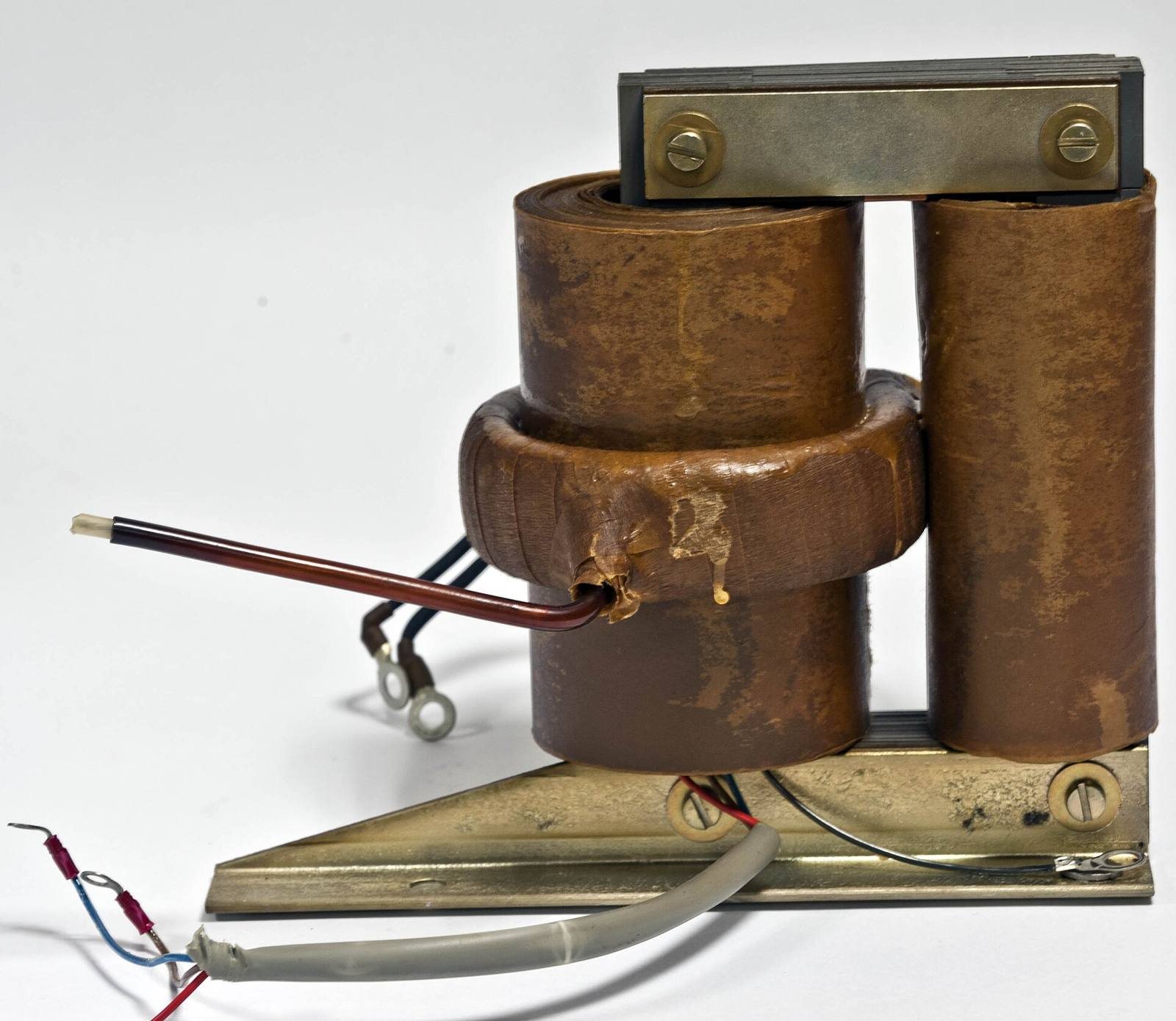
Winding material matters, so identify copper or aluminum from reliable documentation rather than appearance or assumption. Include the enclosure type and any manufacturer information visible on the unit. Photographs of accessible windings can help show contamination, discoloration, physical damage, or missing insulation. Only qualified personnel should expose or inspect internal components after the equipment has been properly isolated and verified safe.
- Windings
- Insulation
- Temperature
- Enclosure
Explain Service Conditions and Retirement
A dry-type unit removed during a capacity upgrade presents a different condition question from one retired after overheating. Describe its last operating condition, known loading issues, protective trips, and maintenance history. Dust accumulation, blocked ventilation, moisture exposure, and damaged winding supports deserve disclosure. Available insulation resistance or other electrical test records can support the review when their dates and test conditions are documented.
Baytown’s industrial surroundings make the actual installation environment relevant, but location alone does not establish damage. Explain whether this transformer occupied a clean electrical room, a production area, or storage with changing humidity. Note any exposure to process dust or corrosive contaminants that you know occurred. We evaluate the reported circumstances and inspected condition without assuming all local industrial equipment has experienced identical service.
- Loading
- Ventilation
- Moisture
- Testing
Check the Route Out of the Building
Indoor removal can be the main practical constraint on a sale. Measure door openings, hallways, elevator access where relevant, and changes in floor elevation along the route. Provide the transformer’s documented weight and dimensions. Identify whether enclosure panels must be removed for clearance and whether lifting points remain accessible. Photographs should show the complete path, not just the transformer’s present location.
Confirm what remains connected and which site personnel will handle electrical disconnection. Explain whether loading will occur at a dock, grade-level doorway, or another approved location. We base cash offers on the specific unit and inspection, with the handling scope clearly defined. Disclose missing panels, removed terminals, or disassembled components before review so the proposed sale accurately reflects the equipment being released.
- Doorways
- Weight
- Lifting
- Loading
Common questions
Can you evaluate a dry-type transformer without knowing the winding material?
Yes, you can submit the available information, but the winding material remains an important detail to verify. Send clear nameplate photos, manufacturer documentation, and safely obtained internal photographs if available. Do not label the windings copper or aluminum based on an unsupported guess. Any offer will reflect the findings from inspection and the confirmed equipment specifications.
Should I remove the enclosure before submitting photographs?
Start with exterior and nameplate photographs. Do not remove panels from energized equipment or expose components without qualified personnel and appropriate safety procedures. If the transformer is safely isolated, internal photographs may help document winding condition. Tell us whether panels are missing or have already been removed, and retain all available enclosure parts for the evaluation.
Reviewed by the Texas Electrical Transformer Buyers buying desk · Last updated November 13, 2026