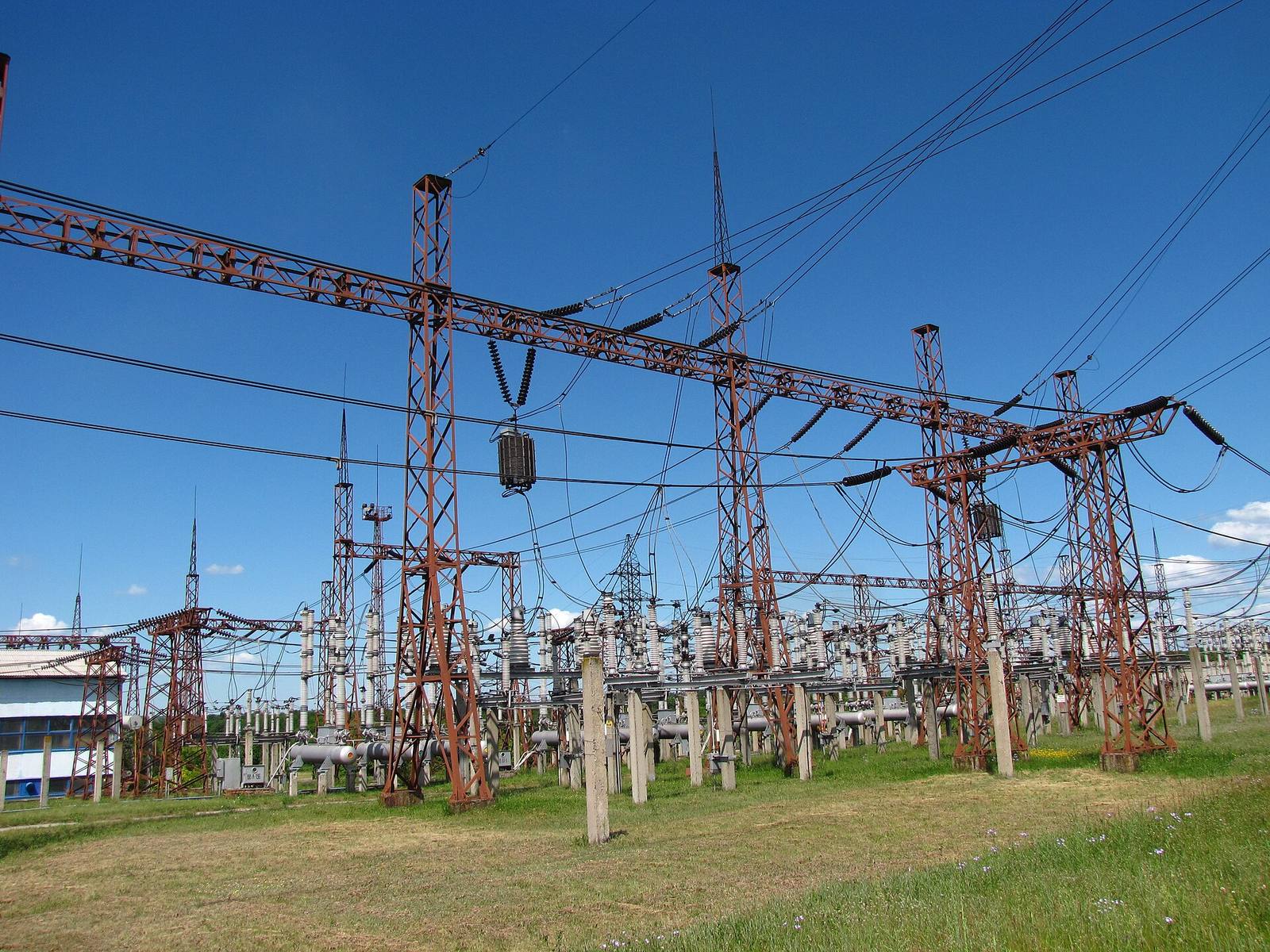
Overhead transformers released by line rebuilds or service changes need clear identification before a sale can proceed. Texas Electrical Transformer Buyers purchases used and surplus pole-mounted units for cash from authorized sellers. Around San Antonio’s industrial and logistics settings, the review must distinguish customer-owned equipment from utility property and account for whether each transformer remains overhead or has already been safely removed.
Identify Individual Units and Banks
Pole-mounted distribution transformers commonly range from 10 to 500 kVA and may serve single-phase or three-phase arrangements. Equipment can be mounted directly on poles or supported on platforms. Send the nameplate for each unit rather than describing an entire bank with one capacity figure. Voltage ratings, phase information and connection details establish what is being offered and prevent confusion between separate transformers.
Surplus can originate from utility rebuilds, cooperative upgrades or changes to rural industrial lines. That context explains availability but does not establish ownership. A transformer supplying a manufacturing operation or logistics property may still belong to the serving utility. Verify title or sale authorization before offering it, and list which tanks, mounting brackets and accessories are included in the proposed transaction.
- Individual nameplates
- Bank configuration
- Ownership confirmation
- Included hardware
Report Tank, Bushing and Service History
Document tank corrosion, fluid leakage, damaged bushings and any signs of impact or overheating. Outdoor exposure alone does not establish whether a transformer is suitable for purchase. The assessment depends on the actual unit and available evidence. Provide photographs taken from a safe position, plus maintenance or test records that identify the transformer by serial number whenever those records are available.
For units already on the ground, explain when they were removed and how they have been supported during storage. Note missing covers, compromised seals or damaged mounting points. For equipment still in service, describe known operating problems and the planned retirement reason without approaching energized lines. Accurate disclosures help distinguish routine surplus from failed equipment requiring a different inspection and handling approach.
- Tank condition
- Bushing damage
- Removal history
- Serial-linked records
Coordinate Overhead Removal Safely
Removing a transformer from a pole or platform generally requires a bucket truck or crane, appropriate line clearance and qualified electrical personnel. Access for that equipment is different from ordinary pickup-truck access. Describe the surrounding work area, overhead conductors and any restrictions on truck placement. Do not attempt to lower, disconnect or inspect overhead equipment as a preliminary step toward obtaining an offer.
State whether your removal contractor will deliver disconnected units to a staging area or whether the equipment remains part of an upcoming line project. Clarify who controls the outage and who authorizes access. We assess purchases individually, with offers based on inspection rather than a fixed amount per tank. Ratings, physical condition, lot completeness and the agreed removal scope all contribute to that assessment.
- Line-clearance requirements
- Lift-equipment access
- Outage responsibility
- Ground staging area
Common questions
Can I sell a transformer on a pole located on my property?
The pole’s location does not establish ownership of the transformer. Confirm whether the equipment belongs to you, the utility or another party before offering it for sale. If you manage removal on someone else’s behalf, provide authorization. We need that distinction resolved along with the equipment identification and safe removal arrangements before a transaction can proceed.
How should I document several pole-mounted transformers?
Create a unit-by-unit list showing serial number, kVA, voltages, operating status and known defects. Match each entry to nameplate and exterior photographs, and indicate whether units formed a bank or operated separately. Identify any missing accessories and whether the lot is overhead or staged on the ground. This is more useful than a single total-capacity estimate.
Reviewed by the Texas Electrical Transformer Buyers buying desk · Last updated November 13, 2026